انتقل إلى المحتوى

Pilling is a common concern when developing swimwear for repeated use. Friction from pool edges, lounge chairs, رمل, الأشرطة, and frequent washing can loosen surface fibers and create small balls on the fabric. الكلور, التعرض للأشعة فوق البنفسجية, and body oils can further weaken the fibers, making the problem worse over time.
لماركات ملابس السباحة, choosing the right anti-pilling swimwear fabric is not only about appearance. Fabric construction, fiber selection, finishing, مقاومة الكلور, and laboratory testing all affect how well a swimsuit keeps its surface, لون, تمتد, والمظهر العام.
This guide explains what causes pilling, which materials and fabric constructions can reduce it, how pilling resistance is tested, and what brands should check before placing a bulk swimwear order.
What Causes Pilling in Swimwear Fabrics?
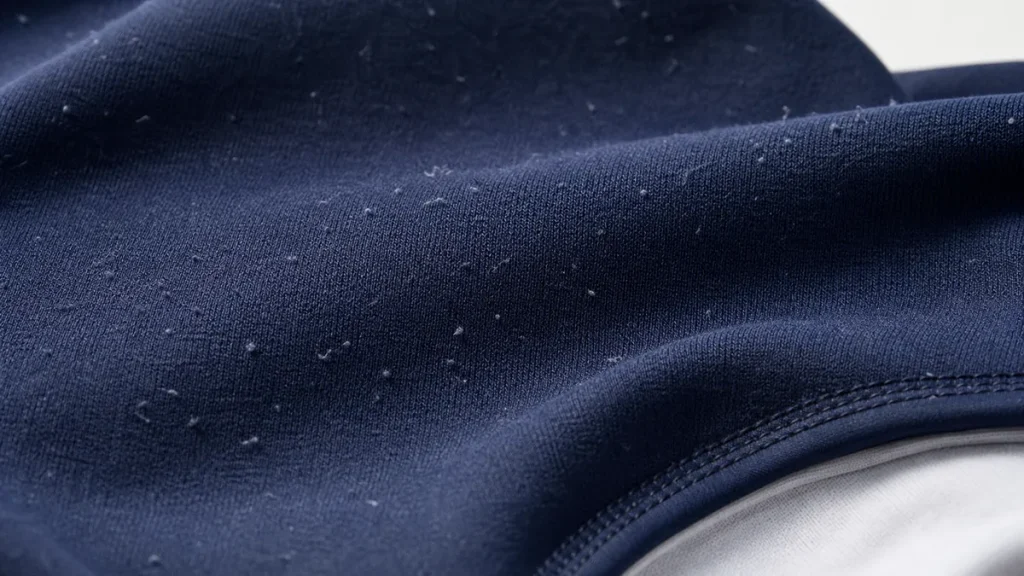
Pilling happens when surface fibers become loose through repeated friction. These fibers twist and tangle into small pills that remain attached to the fabric. Swimwear can be particularly exposed to this type of wear because it is used in wet, abrasive, and chemically treated environments.
Mechanical Abrasion and Surface Friction
Repeated contact is one of the main causes of pilling. A swimsuit may rub against pool edges, رمل, المناشف, water-sports equipment, and other garments during normal use.
- Rough surfaces: Concrete, textured pool edges, and rough lounge chairs can pull surface fibers loose.
- Garment-to-garment friction: Straps, linings, and other garments can create repeated rubbing during movement.
- Washing: Aggressive washing cycles and contact with rough items such as towels can increase surface abrasion.
Fiber Composition and Elastane
Most swimwear uses synthetic fibers such as nylon or polyester combined with elastane for stretch and recovery. Continuous filament yarns can help reduce loose fiber ends, while the overall fabric construction determines how securely the yarns remain in place.
Elastane is important for fit and comfort, but it can be affected by chlorine, التعرض للأشعة فوق البنفسجية, heat, and repeated laundering. When the surrounding fabric structure becomes weaker, surface fibers can become more vulnerable to abrasion.
Yarn Structure and Fabric Construction
A smooth and compact fabric surface generally provides better resistance to surface abrasion than a loose or heavily raised construction. Yarn structure, knit density, filament type, and fabric weight should therefore be considered together.
- Yarn structure: Well-controlled yarn construction helps reduce loose fibers and surface fuzz.
- Knit density: Compact constructions can help keep fibers and yarns securely positioned.
- Surface texture: Raised, brushed, or highly textured fabrics usually require additional attention to pilling resistance.
الكلور, UV Exposure, and Other Environmental Stress
Chlorinated water and UV exposure do not necessarily create pilling by themselves, but they can contribute to fabric degradation. Weakened fibers are more likely to break under the friction that occurs during normal wear.
- الكلور: Repeated exposure can affect fiber strength, elastane performance, والاحتفاظ بالألوان.
- التعرض للأشعة فوق البنفسجية: Long periods in strong sunlight can contribute to polymer degradation and color fading.
- Body oils and sunscreen: Residues can affect fabric performance and make proper after-use care more important.
Which Swimwear Fabrics Resist Pilling Best?
There is no single fiber that guarantees zero pilling. لملابس السباحة, the best results usually come from combining suitable synthetic fibers with continuous filament yarns, a compact fabric construction, appropriate finishing, and verified performance testing.
Continuous Filament Yarns
Continuous filament yarns have long, continuous fibers rather than short staple fibers. This structure can reduce the number of loose fiber ends that are available to form pills.
- Fewer loose fiber ends
- Smooth surface appearance
- Good compatibility with stretch swimwear fabrics
- Suitable for repeated wear and washing when properly constructed
Polyester and PBT Swimwear Fabrics
Polyester-based swimwear fabrics are widely used when chlorine resistance, color retention, and durability are important. PBT-based fibers can also be used in performance swimwear because of their dimensional stability and resistance to chlorine and heat.
For brands developing training, تنافسي, or frequently used swimwear, polyester-based constructions can be considered when long-term pool exposure is a priority.
Nylon and Spandex Blends
Nylon and spandex remain popular for fashion swimwear because they provide a soft hand feel, excellent stretch, وتناسب مريح. لكن, the exact fabric construction and finishing have a major effect on pilling performance.
For fashion-focused swimwear, brands should evaluate nylon/spandex fabrics through actual abrasion and pilling testing instead of choosing a material based on fiber composition alone.
Yarn and Fabric Technologies That Reduce Pilling
An effective anti-pilling fabric for swimwear starts with the yarn and fabric structure. Finishing treatments can improve performance, but they should support—not replace—good fiber and fabric selection.
High-Quality Continuous Filament Yarns
Continuous filament yarns help reduce exposed fiber ends and can create a cleaner surface. When combined with an appropriate knit structure, they provide a strong foundation for pilling resistance.
Compact Knit Construction
A compact knit can help hold yarns in place and reduce excessive movement during wear. This is especially important in high-contact areas such as the seat, side panels, and areas exposed to straps.
- Controlled stitch density: Helps stabilize the fabric surface.
- Smooth construction: Reduces opportunities for fibers to catch on rough surfaces.
- Balanced stretch: Maintains comfort without creating unnecessary stress on the fabric.
Anti-Pilling Fabric Finishes
Finishing treatments can reduce surface fuzzing by improving fiber cohesion or reducing surface friction. لكن, the finish must be compatible with the stretch, hand feel, لون, and wet performance required for swimwear.
For this reason, brands should test finished fabrics rather than assuming that an anti-pilling treatment will provide the same result across every fabric construction.
How Is Swimwear Pilling Resistance Tested?
Laboratory testing provides a more reliable way to compare fabrics than visual inspection alone. Different test methods simulate different types of abrasion, so buyers should confirm which standard is being used before comparing results.
ASTM D3512 Random Tumble Pilling Test
ASTM D3512 is a random tumble pilling test used to evaluate the tendency of textile fabrics to form pills under controlled mechanical action. It can be useful for comparing the pilling performance of different fabric constructions.
The test result should always be considered together with the fabric type, test duration, laboratory conditions, and evaluation criteria. Buyers should avoid comparing grades from different methods as if they were directly equivalent.
Martindale Pilling Test
The Martindale method, including ISO 12945-2, evaluates pilling and surface change caused by controlled rubbing. It is commonly used for textile performance comparison and can help brands establish an internal pilling requirement for swimwear fabrics.
When developing a new collection, it is useful to test the actual production fabric rather than relying only on the mill’s general fabric specification.
Understanding Pilling Grades
Many pilling evaluations use a 1–5 scale, where a higher grade generally indicates better resistance to visible pilling. The exact acceptance level should be defined according to the product’s intended use and the test method.
- درجة 5: Little or no visible pilling.
- درجة 4: Minor surface change with good pilling resistance.
- درجة 3: Moderate visible pilling.
- درجة 1: Severe pilling and significant surface change.
How Chlorine and UV Resistance Affect Pilling
Pilling should not be evaluated separately from other swimwear performance requirements. A fabric may initially show good pilling resistance but perform differently after repeated chlorine, الأشعة فوق البنفسجية, washing, and stretching exposure.
- Chlorine resistance: Important for swimwear designed for frequent pool use.
- حماية من الأشعة فوق البنفسجية: Helps reduce performance and color degradation during prolonged sun exposure.
- Colorfastness: Important for printed and brightly colored swimwear.
- تمتد والانتعاش: Ensures the fabric maintains fit after repeated movement.
For performance-oriented collections, brands can consider evaluating pilling alongside relevant chlorine, lightfastness, ثبات اللون, tensile, and stretch-recovery tests.
Does Pilling Affect Swimwear Print Quality?
نعم. Pilling changes the texture of the fabric surface, which can make printed swimwear appear less sharp over time. The visual effect is especially noticeable on dark colors, solid backgrounds, fine graphics, and detailed patterns.
الطباعة التسامي
Sublimation dye becomes part of the polyester fibers rather than forming a thick surface ink layer. If surface fibers break or pill, the printed area can gradually appear less even or less vibrant.
Screen Printing and Heat Transfers
Raised surface fibers can affect the appearance and durability of screen prints and heat transfers. A smooth, stable fabric surface therefore supports both better print quality and a cleaner finished appearance.
How to Choose Anti-Pilling Swimwear Fabric
ل brands sourcing custom swimwear, fabric selection should be based on the intended use, تصميم, target price, and expected product life. Instead of choosing a fabric only by fiber name, review the complete performance profile. Selection Area What to Check Why It Matters Fiber & Yarn Continuous filament polyester, PBT, نايلون, or suitable blends Helps reduce loose surface fibers and supports durability. Fabric Construction Compact, مستقر, smooth construction Reduces fiber movement and surface abrasion. Swim Performance Chlorine, الأشعة فوق البنفسجية, تمتد, and colorfastness performance Supports long-term performance in pool and outdoor environments. Testing Relevant pilling and abrasion test reports Provides measurable evidence before الإنتاج بالجملة.
1. Match the Fabric to the End Use
Fashion bikinis, resort swimwear, training swimsuits, and competitive swimwear do not always require the same fabric specifications. A fashion collection may prioritize softness, مظهر, وتمتد, while training swimwear may place greater emphasis on chlorine resistance and long-term durability.
2. Ask for Fabric Test Data
Before bulk production, ask your fabric supplier or swimwear manufacturer for relevant testing information. Depending on the product, this may include pilling, abrasion, مقاومة الكلور, ثبات اللون, UV performance, and stretch recovery.
3. Test the Actual Production Fabric
A fabric specification sheet cannot show every aspect of finished garment performance. Sampling the actual fabric, مطبعة, بطانة, خياطة, and construction gives brands a better opportunity to identify problems before placing a large order.
4. Consider More Than Pilling Resistance
The best swimwear fabric needs to balance pilling resistance with stretch, استعادة, راحة, drying speed, color retention, مقاومة الكلور, حماية من الأشعة فوق البنفسجية, and appearance. A fabric that performs well in one test may not be the best choice for the complete garment.
Why Work with a Custom Swimwear Manufacturer?
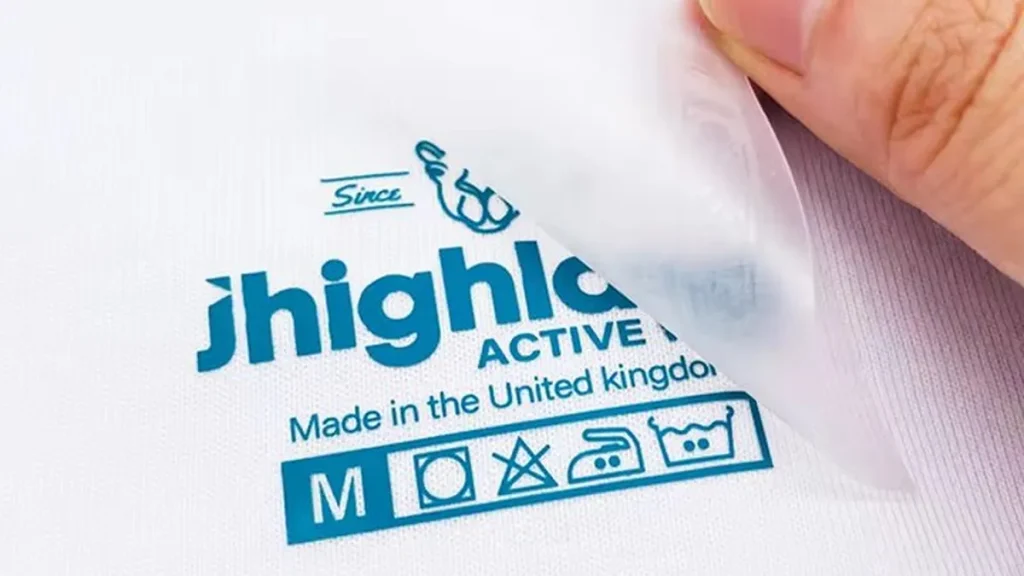
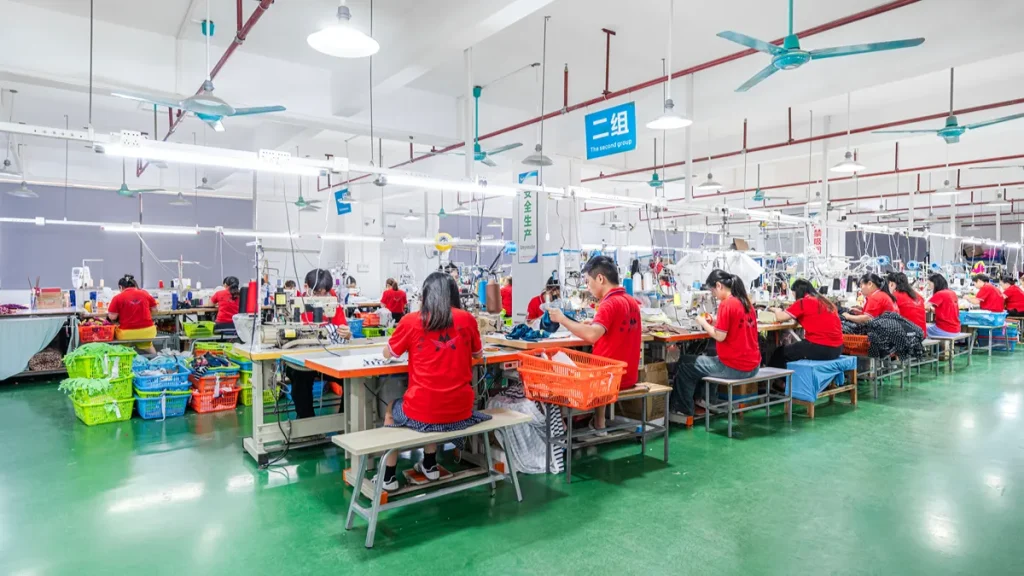
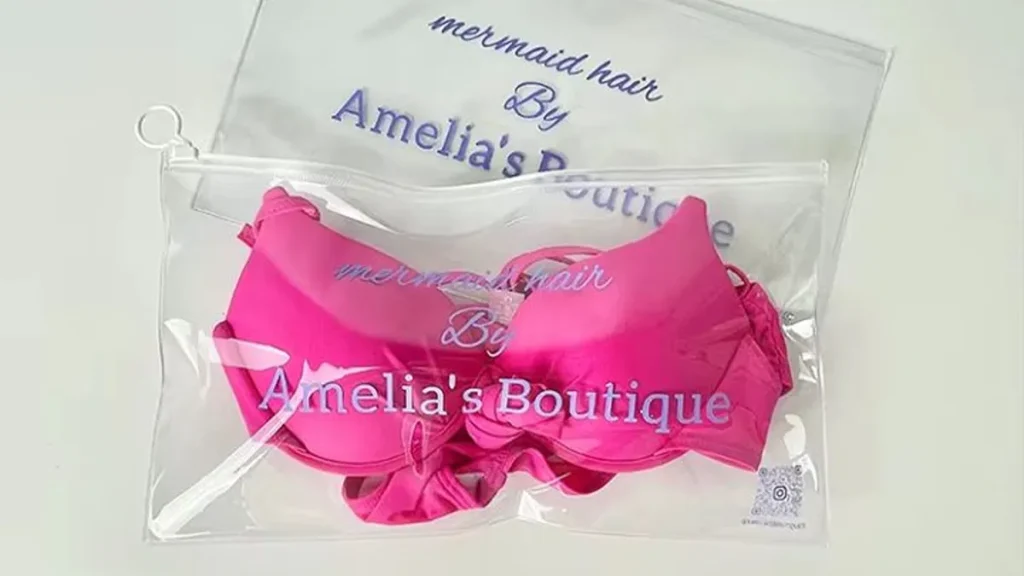
ل brands developing a new swimwear مجموعة, fabric performance is only one part of the sourcing process. A capable الشركة المصنعة لملابس السباحة المخصصة should help coordinate fabric selection, تطوير النمط, أخذ العينات, الطباعة, خياطة, وضع العلامات, التعبئة والتغليف, and quality control.
MLY provides OEM and ODM swimwear manufacturing with customization across fabrics, الأنماط, التحجيم, مطبوعات, التسميات, والتعبئة والتغليف. The company also supports lower-volume development, with standard MOQ generally starting around 50–100 pieces depending on the product and customization requirements.
- Custom fabric options: Choose performance fabrics based on stretch, متانة, سريع الجفاف, الأشعة فوق البنفسجية, and chlorine requirements.
- OEM/ODM development: Develop your own designs, الألوان, مطبوعات, التحجيم, التسميات, والتعبئة والتغليف.
- Low-MOQ development: Suitable for emerging brands testing new collections or limited releases.
- Quality control: Fabric and finished garments can be evaluated before bulk production.
الأسئلة المتداولة
Which fabrics pill least in swimwear?
سلس, compact fabrics made with continuous filament synthetic yarns generally offer good pilling resistance. Polyester and PBT-based fabrics can be suitable for performance swimwear, while nylon/spandex can also perform well when the yarn, knit structure, and finishing are properly engineered.
What causes swimwear fabric to pill?
Repeated friction is the main cause of pilling. Rough pool surfaces, رمل, الأشرطة, washing, and garment-to-garment rubbing can loosen surface fibers. Chlorine and UV exposure may further weaken fibers and increase their vulnerability to abrasion.
How do you test pilling resistance in swimwear fabric?
Common laboratory methods include ASTM D3512 random tumble pilling and ISO 12945-2 Martindale pilling testing. The appropriate method depends on the fabric and product requirements. Brands should also consider chlorine, الأشعة فوق البنفسجية, abrasion, and colorfastness testing for swimwear applications.
Can anti-pilling finishes completely prevent pilling?
No finish can guarantee zero pilling under every condition. Anti-pilling finishes can help reduce surface fuzzing, but long-term performance depends on fiber selection, yarn structure, بناء النسيج, finishing, and actual garment use.
Is textured swimwear fabric more likely to pill?
محكم, مضلع, brushed, or raised fabrics can be more exposed to surface friction. لكن, pilling performance depends on the specific yarn and fabric construction, so the best approach is to test the finished material rather than judge it by texture alone.
What should brands ask a swimwear manufacturer about fabric pilling?
Ask about fiber composition, yarn type, بناء النسيج, pilling test methods, test results, مقاومة الكلور, UV performance, ثبات اللون, and stretch recovery. It is also useful to request samples of the actual production fabric before approving bulk production.
الأفكار النهائية
Choosing an anti-pilling swimwear fabric requires more than selecting a specific fiber. Continuous filament yarns, compact fabric construction, suitable finishing, chlorine and UV performance, and standardized testing all contribute to long-term fabric durability.
لماركات ملابس السباحة, the most reliable approach is to define the required performance before bulk production and validate the actual fabric through sampling and testing. This can help reduce surface wear, protect print quality, and create swimwear that performs consistently throughout the season.
If you are developing a new swimwear collection, MLY can support fabric selection, custom design, أخذ العينات, الطباعة, وضع العلامات, التعبئة والتغليف, and bulk manufacturing. Explore MLY’s private label swimwear manufacturing services to discuss your next collection.