Skip to content

Swimwear printing plays a key role in how a bikini or swimsuit looks, feels, and performs in real use. The printing method affects color brightness, fabric stretch, durability in chlorine or saltwater, and production cost. For swimwear brands, choosing the right printing technology is not only a design decision but also a business decision.
In this article, we compare three main printing methods used in modern swimwear manufacturing: sublimation printing, digital printing, and screen printing. You will learn how each method works, its strengths, limitations, and when to use it for the best results.
Comparison Table: Sublimation vs Digital vs Screen Printing
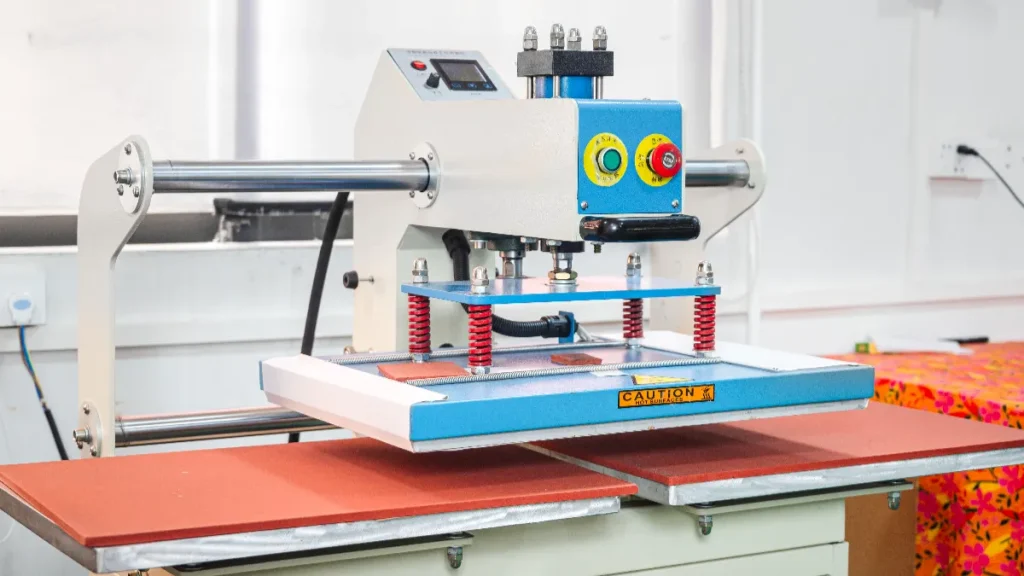
Sublimation dominates all-over stretch and durability, screen printing wins on bulk cost for simple logos, and digital direct-to-fabric offers unmatched agility for complex short runs.
| Feature | Sublimation Printing | Digital Printing | Screen Printing |
|---|---|---|---|
| Fabric compatibility | Polyester only | Cotton, blends, some synthetics | Wide range (cotton, polyester, blends) |
| Color vibrancy | Very high | High | Medium to high |
| Design complexity | Excellent for full prints | Excellent for detailed images | Best for simple designs |
| Durability in swimwear | Very strong | Medium to strong | Strong (depends on ink) |
| Stretch performance | Excellent (no cracking) | Good | Medium (may crack over time) |
| Production cost | Low for bulk | Medium | Low for large volumes |
| Setup cost | Low | Medium | High (screens required) |
| Best use case | All-over swimwear prints | Photo-like or small runs | Simple logo or bold graphics |
How Sublimation Printing Works for Swimwear
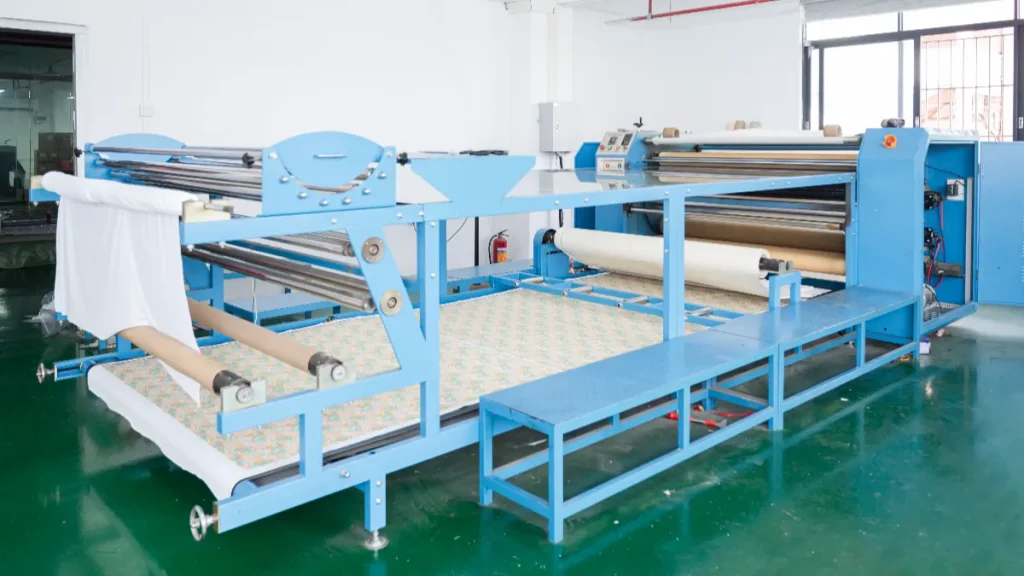
Sublimation printing uses extreme heat to bond dye directly into polyester fibers at the molecular level, creating vibrant, fade-resistant swimwear that retains its full stretch.
Sublimation printing is one of the most popular methods for modern swimwear, especially for all-over printed bikinis and one-piece swimsuits.
The process uses heat to transfer dye into polyester fabric. First, the design is printed onto special transfer paper. Then, under high heat and pressure, the ink turns into gas and bonds directly with the fabric fibers.
Key advantages of sublimation:
- Colors become part of the fabric, not a surface layer
- Very soft feel (no thick or heavy print layer)
- Excellent stretch performance for swimwear movement
- Perfect for complex, full-body patterns
Limitations:
- Works only on polyester or high-polyester blends
- Not suitable for dark fabrics unless specially prepared
- Less effective for small production on very low MOQ
The Core Mechanism: Dye-to-Fiber Bonding
Sublimation printing skips the liquid phase entirely. When exposed to extreme heat, solid dye converts directly into a gas. This gaseous dye penetrates synthetic fibers like polyester and bonds with them at the molecular level. Because the color becomes part of the fabric itself rather than sitting on top as a surface layer, the finish is permanent. It resists fading and degradation from harsh swimwear environments like chlorinated pools, saltwater, and direct UV exposure.
Pattern Design and Digital Preparation
Production begins with digital preparation. Designers use software to build all-over seamless patterns or engineered placement graphics. They carefully size and tile the artwork to match finished garment measurements or align precisely with cut pattern pieces. To ensure accurate color reproduction on synthetic swim knit fabrics, pre-press teams tune color spaces using specific ICC profiles.
Printing on Sublimation Transfer Paper
Once the files are ready, large-format dye-sublimation inkjet printers deposit water-based sublimation inks onto specialized coated paper. The printers output the designs in reverse, or mirrored, so they read correctly once applied to the final garment. The transfer paper is engineered specifically to hold a high density of ink without bleeding and to release the dye completely when introduced to the heat press.
The Heat Press Transfer Process
Operators position the printed transfer paper face-down on white or light-colored polyester-spandex fabric. Using a rotary calendar or a flatbed heat press, they apply intense heat ranging from 190 to 230 °C along with firm pressure for 30 to 70 seconds. This combination triggers the physical phase change. The solid ink converts into a gas and infuses deeply into the polyester fibers, leaving vivid, permanent colors on the fabric and a spent sheet of transfer paper behind.
Cutting and Sewing Workflows
Manufacturers typically utilize two main workflows to transform the sublimated fabric into finished swimwear:
- Print-then-cut: Operators sublimate entire rolls of fabric before cutting out the pattern pieces, maximizing efficiency for bulk orders featuring all-over prints.
- Cut-then-print: Factories cut individual fabric panels first and print them separately to guarantee exact placement for logos or engineered graphics.
- Assembly: Machinists assemble the finished panels using stretch-compatible seams like flatlock or coverstitch, preserving the garment’s necessary elasticity.
Premium Custom Bikinis for Your Brand

How Digital Printing Works for Swimwear
Digital printing deposits ink directly onto swimwear textiles like nylon, allowing precise control over complex artwork. The process requires high-resolution files, seamless repeats, and specialized fabric curing.
Digital printing (also called direct-to-garment or fabric printing) uses advanced inkjet technology to spray ink directly onto fabric. It allows very detailed and colorful designs without needing screens or plates.
Unlike sublimation, digital printing can work on different fabric types depending on the ink system used.
Key advantages of digital printing:
- Very high detail and photo-quality prints
- Flexible for small orders and fast sampling
- No complex setup like screen making
- Good for gradient colors and fine artwork
Limitations:
- Ink sits more on the fabric surface compared to sublimation
- Slightly lower stretch performance in high-elastic swimwear
- Cost per unit is higher for large bulk orders
Artwork Preparation and Formatting
The printing process begins with high-quality digital files. You cannot rely on flattened or low-resolution images if you want sharp lines and vibrant colors on the final garment. We require original artwork submitted in a print-ready digital format to guarantee the best results.
- Minimum Resolution: Files must be at least 300 dpi to maintain high design fidelity.
- Raster Graphics: TIFF and PSD are the preferred file formats for pixel-based art.
- Vector Graphics: AI and EPS files are widely accepted for scalable graphic elements.
Building Seamless Repeats
Patterned swimwear relies entirely on seamless repeating designs. The artwork edges must tile flawlessly so no joins are visible when the fabric runs through the continuous roll printer. Designers must clearly mark the repeat scale at full scale to ensure the artwork sizing translates accurately onto the finished stretch fabric.
To avoid costly placement errors during the cut-and-sew phase, you typically need to provide a separate layout preview file. This file demonstrates exactly how the artwork should position across the front, back, or specific panels of the swimsuit.
File Review and Color Management
Before a single drop of ink touches the fabric, print technicians rigorously evaluate the submitted file. They check the artwork for resolution, repeat accuracy, scale, and overall layout placement. This step is critical to verify the integrity of the digital file and confirm its compatibility with the specific swimwear fabric you selected.
Catching a layout mistake early saves yards of expensive stretch swimwear materials. Proper color management during this verification phase ensures batch-to-batch color consistency and identifies potential scaling errors long before production begins.
Direct-to-Fabric Digital Printing
True digital printing applies ink directly to the textile surface rather than transferring it via paper. Operators feed the fabric in roll form through a large-format inkjet-style textile printer. In the swimwear industry, this method is most commonly used on nylon or recycled alternatives like REPREVE® nylon, where traditional sublimation falls short.
The printheads deposit precise amounts of ink exactly where needed. This direct application gives production teams total control over fine lines, complex color gradients, highly detailed motifs, and photographic effects that analog screen printing cannot replicate.
Fabric Finishing and Garment Production
Freshly printed stretch fabric is not ready for the water. The swimwear material must undergo specialized drying, curing, and color fixation processes tailored to the specific ink chemistry and fabric blend.
These finishing steps lock the pigments into the fibers. A proper cure ensures the print withstands chlorine, saltwater exposure, and repeated stretching without losing clarity or cracking over time. Once the fabric is fully cured and fixed, workers cut the yardage into panels and sew them into the final swimwear styles.
How Screen Printing Works for Swimwear
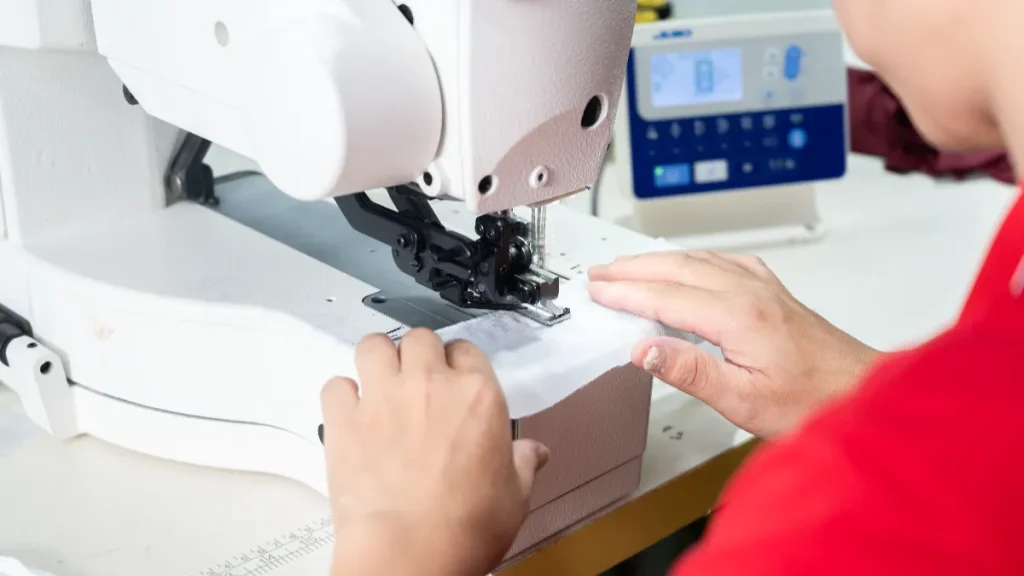
Screen printing forces ink through a mesh stencil onto synthetic fabric. It remains highly cost-effective for bulk swimwear orders requiring bold, durable spot-color graphics.
Screen printing is a traditional but still widely used method. It applies ink through a mesh screen onto the fabric, layer by layer. Each color in the design requires a separate screen.
Key advantages of screen printing:
- Very strong color opacity
- Cost-effective for large-volume simple designs
- High durability when properly cured
- Works on many fabric types
Limitations:
- Not suitable for complex or highly detailed designs
- High setup cost due to screen preparation
- Less flexible for design changes
- Can feel thicker on fabric surface
Artwork Creation and Color Separation
Swimwear requires a calculated approach to artwork before a single drop of ink hits the fabric. Designers must account for how elastic materials behave on the body to prevent distorted branding.
- Color Separation: Separate the design into individual layers for each color.
- Design Simplicity: Use simple graphics, logos, and bold text for optimal results.
- Detail Limits: Avoid fine lines and tiny details that struggle to hold on stretch fabrics.
- Stretch Compensation: Scale and position designs with expected fabric stretch in mind.
Screen Preparation and Stencil Making
Once you lock in the artwork, production moves to the darkroom. The screen-making process dictates the crispness and accuracy of the final swimwear print.
- Emulsion Coating: Coat a mesh screen with a photosensitive emulsion layer.
- UV Transfer: Transfer the separated design to the screen using UV exposure.
- Mesh Washout: Wash out the unexposed emulsion to create open mesh areas for ink passage.
- Dedicated Screens: Prepare a distinct screen for every color in the design.
Garment Setup and Ink Application
Applying ink to highly elastic synthetic fabrics like nylon and spandex demands precise physical handling on the press to avoid misregistration and print failure.
- Platen Alignment: Smooth and align the swimwear on a printing platen.
- Tension Control: Apply light tension to stretchy fabrics to reduce printing distortion.
- Ink Application: Use a squeegee to force plastisol or performance inks through the stencil.
- Layering: Print colors one at a time, flash drying between layers if needed.
- Placement Strategy: Target moderate-stretch zones on the garment to prevent premature wear.
Proper Curing for Durability
Curing makes or breaks a swimwear print. The garment will face harsh conditions from chlorine, saltwater, and heavy structural stretching in its lifecycle.
- Heat Calibration: Heat-cure the final print based on exact manufacturer specifications.
- Fiber Bonding: Ensure the ink fully bonds to synthetic fibers like polyester, spandex, and nylon.
- Wash Durability: Prevent under-curing to avoid cracking, peeling, or poor wash durability.
- Temperature Monitoring: Monitor temperatures carefully so extreme heat does not damage elastic fibers.
Print Quality Comparison Across Methods
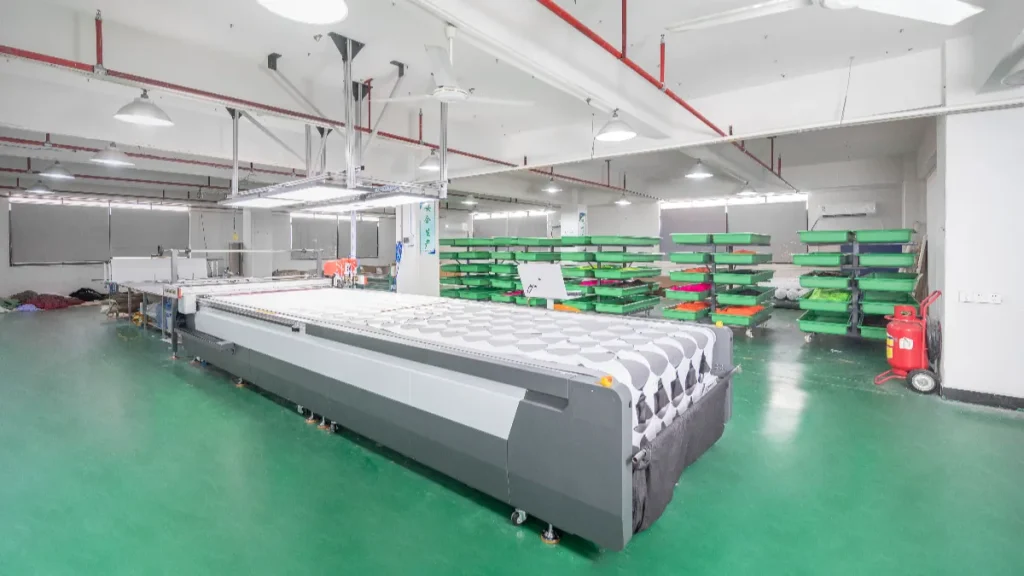
Sublimation delivers the highest print quality and durability for polyester swimwear, while screen printing and heat transfers work best for localized, low-stretch branding.
Color Vibrancy and Gamut
Print quality starts with how well a method handles color. Sublimation, optimized digital printing, and rotary disperse methods produce continuous tones and wide color gamuts that hit highly saturated targets. Screen printing takes a different approach. It delivers strong opacity and rich solid spot colors, but it struggles with complex, multi-color gradients. Heat transfers push out vibrant visuals, but the color lives inside a surface film layer instead of integrating directly with the fabric.
Detail and Resolution Capabilities
When your design demands fine lines or photographic elements, sublimation and direct-to-fabric digital printing dominate. They print intricate patterns at high resolutions without the dot gain seen in analog processes. Rotary and screen printing perform well for bold graphics, but they lack the micro-resolution required for continuous-tone artwork. Heat transfer methods fill a specific gap by creating razor-sharp edges suited for small text and vector logos.
Durability in Swim Conditions
Swimwear faces brutal environments. Sublimation on polyester provides the highest overall resistance to chlorine, saltwater, and UV exposure because the dye bonds directly with the fiber. Rotary disperse and acid-dye digital prints maintain high durability when you match them with the right fixation chemistry. Heat transfers and standard screen prints break down much faster under continuous stretch, pool chemicals, and direct sun.
Stretch Behavior and Fabric Comfort
A swimsuit must move with the wearer. Fiber-penetrating methods like sublimation and rotary printing preserve the natural elasticity, breathability, and hand feel of the swimwear. Screen printing alters this dynamic. Heavy plastisol inks add a distinct layer that restricts stretch in dense coverage areas. Heat transfers bond a physical film to the fabric surface, resulting in a restrictive and plasticky feel if applied over a wide area.
All-Over vs. Localized Print Performance
Your design layout dictates the best printing approach. Sublimation, continuous digital printing, and rotary processes are built for complex, multi-color, all-over pattern coverage. Screen printing and heat transfers specialize in localized placements. You use them for isolated graphics like:
- Brand logos
- Team numbers
- Isolated graphics
Durability and Colorfastness in Chlorine & Saltwater
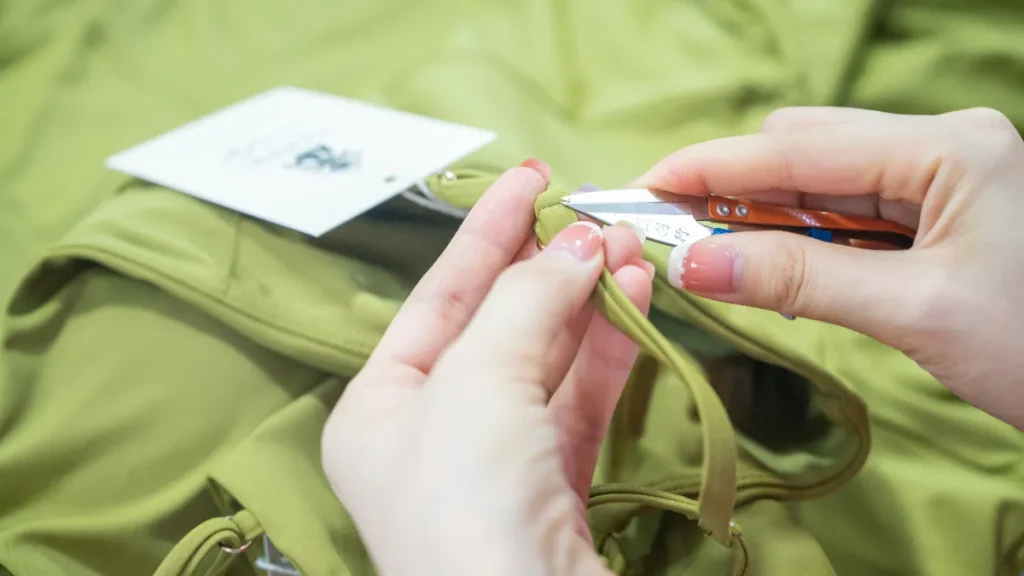
Polyester printed via dye sublimation offers the highest resistance to chlorine and saltwater because the ink bonds chemically inside the fiber, eliminating surface cracking and fading.
Mechanisms of Fiber and Dye Degradation
Aquatic environments are brutal on printed textiles. Chlorine operates as an aggressive oxidizing agent in pools and spas. It directly attacks elastane chains, thinning the fabric and degrading certain dyes. This chemical reaction causes severe fading and destroys the garment’s stretch recovery. In the ocean, saltwater introduces mechanical problems. It forces fibers to swell, and as the fabric dries, salt crystals create friction that physically dulls printed surfaces. Add sunlight to the mix, and the damage compounds. High heat and UV radiation accelerate hydrolysis and photodegradation, rapidly breaking down polymer chains and ink binders.
Best Fiber Choices for Aquatic Environments
The substrate you choose dictates the lifespan of the print. Not all fibers handle aquatic stress equally.
- Polyester and Polyester Blends: These serve as the industry standard for performance swimwear. Polyester is inherently chlorine-resistant and provides the ideal base for maximum color retention.
- Nylon: While favored for its soft hand feel, nylon is highly susceptible to chlorine oxidation. This vulnerability leads to faster fiber weakening and premature yellowing.
- Chlorine-Resistant Elastane: Standard spandex breaks down quickly in pools. Specially engineered chlorine-resistant elastane is required to preserve 4-way stretch, maintain structural integrity, and stop printed graphics from distorting.
Performance of Printing Technologies
How you apply the ink completely changes how the garment survives chemically treated water.
- Dye Sublimation: This method dominates polyester swimwear because the process vaporizes colorants so they permanently lock inside the fiber. With no surface ink layer to break, it offers exceptional resistance to chlorine fading and saltwater abrasion.
- Digital Pigment Printing: Pigment inks rely on binders that sit on top of the fabric. This surface film is highly vulnerable to micro-cracking under heavy stretch and physical abrasion from sand.
- Screen Printing (Silicone & PU): Traditional plastisol inks crack when stretched and degrade in chlorine. High-stretch silicone or polyurethane screen prints are the preferred alternatives for localized logos, flexing perfectly with the fabric.
Colorfastness Testing and Metrics
Manufacturers cannot guarantee durability without rigorous testing. Standardized lab protocols simulate prolonged exposure to pool chemicals and sea water to measure exactly how a printed fabric reacts. Quality control teams evaluate two primary factors: direct color fading and the staining of adjacent wet fabrics.
During these evaluations, polyester fabrics paired with disperse dyes consistently achieve higher colorfastness ratings than nylon-based alternatives. Lightfastness evaluation is also a mandatory metric. Sunlight combined with active chlorine creates a compounded attack that accelerates dye degradation much faster than water exposure alone.
Cost and Production Speed Comparison
Balancing cost and speed in swimwear printing requires matching your order volume and design complexity with the right technology to protect margins and hit market deadlines.
Digital Printing Dynamics
Digital direct-to-fabric systems remove the need for physical screens. You bypass costly setup requirements and per-color charges entirely, making this method highly effective for short runs and frequent design updates. Teams can push strike-offs and prototypes through the finishing process within one to three days to evaluate physical samples fast.
Higher per-unit ink costs quickly reduce economic viability as your order volumes scale. Slower per-meter throughput contrasts sharply with the highly efficient rapid sampling capabilities, forcing production managers to cap order sizes before costs outpace profit margins.
Screen Printing Economics
This traditional method demands high initial capital for screen production, color separation, and press setup. Every new design requires substantial upfront investment and configuration time before a single yard of fabric moves through the machine. Each additional design color introduces extra technical complexity and further setup time.
Once machinery configuration completes, screen printing provides massive continuous yardage throughput. It delivers the absolute most competitive per-piece printing costs for large bulk orders, allowing manufacturers to maximize profits on simple, high-volume graphic runs.
Sublimation Throughput and Scaling
Engineered specifically for polyester blends, dye-sublimation operates with significantly lower setup barriers than traditional screen printing. The process absorbs unlimited design complexity and high-definition gradients without altering your per-unit cost, giving designers total creative freedom.
Roll-to-roll continuous press systems generate excellent high-volume manufacturing speeds once running. This technology perfectly balances fast pre-production timelines with the durable, chlorine-resistant final outputs demanded by the performance swimwear market.
Print-on-Demand (POD) Trade-Offs
The print-on-demand model eliminates upfront setup fees, minimum order quantities, and inventory risk entirely. This structure enables extremely fast initial market entry through per-order digital fulfillment, allowing new brands to launch collections overnight.
The trade-off comes directly out of unit margins. POD carries significantly higher per-unit costs compared to standard bulk manufacturing methods. Smart brands use this fulfillment model strictly as a testing ground before transitioning proven, high-demand designs to dedicated bulk production lines.
Volume-Based Selection Guidelines
Matching your production phase to the correct printing framework dictates your profitability. Adjust your sourcing strategy based on these volume benchmarks:
- Micro-collections and prototyping: Prioritize digital direct-to-fabric or POD platforms for maximum flexibility and minimal upfront risk.
- Mid-size seasonal drops: Utilize digital printing for complex details or sublimation for all-over polyester patterns.
- Mass market retail: Shift to screen printing for simple graphics to leverage deep bulk discounts.
- Long-term strategy: Continuously monitor your annual design volume to transition printing methods smoothly as sales stabilize.
When to Use Each Printing Method
Matching the printing method to your order volume, fabric type, and design complexity dictates the profitability and final quality of your swimwear production line.
Use sublimation when:
- You need full-body printed swimwear
- Your design includes gradients or complex patterns
- You want soft and high-stretch fabric performance
Use digital printing when:
- You are developing new designs
- You need small MOQ or test orders
- Your design includes photo-like artwork
Use screen printing when:
- You need simple logos or text
- You produce large quantities of basic designs
- You want strong color coverage on specific areas
At MLY Apparel, we often help brands combine different methods in one collection to balance cost, design flexibility, and performance.
Final Thoughts
Swimwear printing technology is not one-size-fits-all. Each method has its own strengths depending on design goals and production needs.
Sublimation remains the most popular choice for modern swimwear because of its durability, comfort, and all-over print capability. Digital printing offers flexibility for fast development and creative designs. Screen printing still plays an important role in simple and large-volume production.
For swimwear brands, the best results often come from working with a manufacturer that understands all three technologies and can recommend the right solution for each product line.
If you are planning to develop a new swimwear collection, choosing the right printing method early can help you reduce cost, improve quality, and shorten your time to market.
Frequently Asked Questions
Which swimwear print method lasts the longest?
Sublimation printing usually lasts the longest in swimwear because the dye becomes part of the fabric fibers. It resists fading from chlorine, saltwater, and sunlight better than other methods.
Can sublimated swimwear fade over time?
Yes, but only slightly over a very long time or under extreme conditions. Compared to other methods, sublimation has the best color stability for swimwear.
What fabrics are best for digital swimwear printing?
Digital printing works best on cotton, polyester blends, and specially treated synthetic fabrics. For swimwear, polyester-based fabrics are commonly used.
Is screen printing outdated for modern swimwear production?
No, screen printing is not outdated. It is still widely used for simple designs, logos, and large-volume production. However, it is less suitable for complex swimwear patterns.
How much does it typically cost to print swimwear?
Sublimation and screen printing are cost-effective in bulk production, while digital printing is more expensive per unit but better for small orders and sampling.