Skip to content

Launching a successful swimwear collection requires much more than a creative sketch. Whether you are building a private-label bikini brand, expanding an activewear line, or developing a luxury resort collection, your design can only become a high-quality product if the swimwear manufacturer clearly understands every technical detail.
This is where a swimwear tech pack becomes essential.
A well-developed swimwear tech pack acts as the blueprint for production. It translates design ideas into precise instructions that pattern makers, sample teams, fabric suppliers, and quality control inspectors can follow throughout the manufacturing process.
In this guide, we will explain how to create a complete swimwear tech pack, what information it should include, and how to avoid costly production mistakes.
What Is a Swimwear Tech Pack and Why It Matters
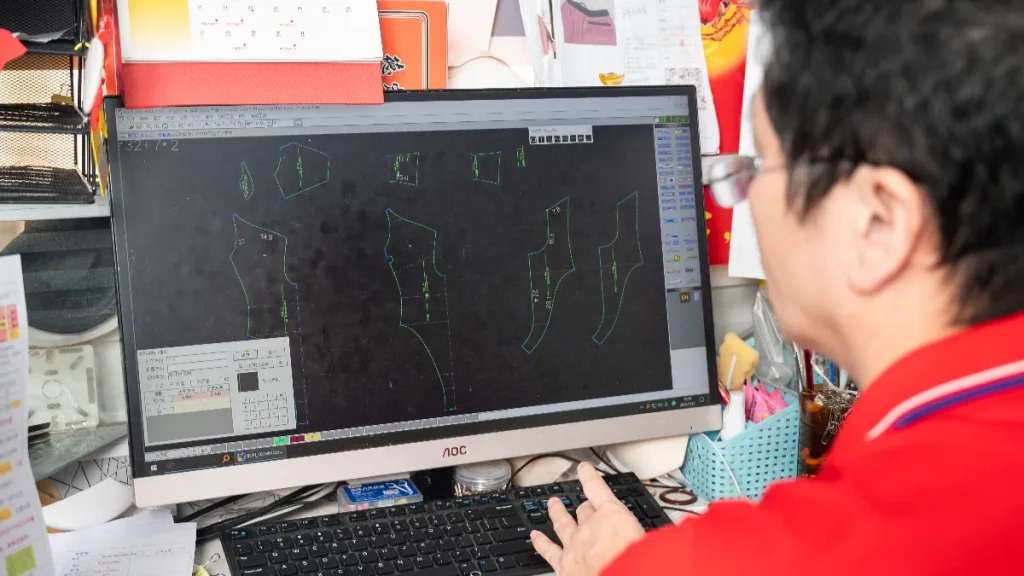
A swimwear tech pack is a detailed technical document that communicates every aspect of a garment design to the swimwear manufacturer. It contains measurements, materials, construction methods, trim details, artwork specifications, quality requirements, and production instructions.
Before bulk production begins, swimwear manufacturers rely on detailed technical documentation throughout the entire production workflow. You can learn more about the complete process in our Guide to Swimwear Manufacturing.
Swimwear factories rely on this exact data to execute three core steps:
- First samples: Develop accurate prototypes based on defined measurements and construction notes.
- Costing: Calculate precise minimum order quantities (MOQs) and bulk unit prices.
- Production planning: Schedule assembly lines and establish quality control reference points.
Managing High-Stretch Fabrics and Complex Components
Swimwear leaves zero room for error. A variance of just a few millimeters in elastic length or pattern shape quickly causes gaping, digging, or severe fit issues on the body. The tech pack coordinates these complex material combinations so the factory understands exactly how pieces interact.
You must detail specific requirements for each garment component:
- Stretch fabrics: Define exact weights, fiber composition, and stretch percentages for nylon and spandex blends.
- Support elements: Specify removable padding, underwires, lining coverage, and attachment methods.
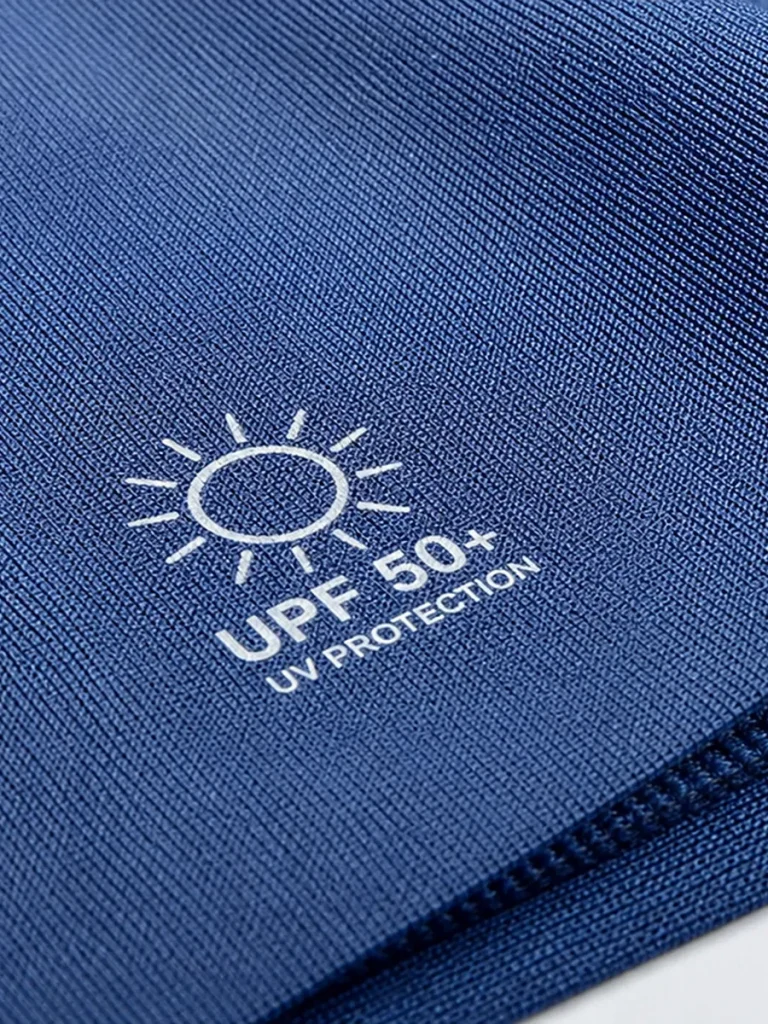
- Performance standards: Ensure all fabrics and hardware resist chlorine, saltwater, and UV exposure.
Controlling Sampling Costs and Production Quality
Sending a vague design to a factory guarantees expensive mistakes. A detailed tech pack eliminates factory guesswork, which drastically reduces the number of costly sample iterations and accelerates your time-to-market. It serves as the objective baseline document for your entire quality control process. By defining fit tolerances and grading rules across all sizes, you hold the factory accountable to a measurable standard.
A comprehensive Bill of Materials (BOM) allows brands to secure precise factory quotes. When you detail exact fabric consumption and trim usage upfront, you block unexpected material upcharges and keep production costs strictly aligned with your initial estimates.
Core Components Every Swimwear Tech Pack Must Include

A swimwear tech pack translates a 2D design into a 3D garment. Missing a single detail—from elastic tension to thread type—leads to costly sampling errors and fit failures.
Style Overview and Technical Sketches
Visualizing a swimsuit accurately requires more than fashion illustrations. Factories need technical precision to understand construction without guessing.
- Cover page data: Identifies the brand, style name, season, and exact version number to maintain version control.
- Proportionally accurate 2D flats: Shows front, back, and detailed side views without artistic distortion.
- Construction mapping: Depicts seam lines, cup shapes, intended coverage levels, and edge finishes.
- Colored visual mock-ups: Details color blocking, localized print placements, and specific panel layouts.
Bill of Materials (BOM) and Fabric Instructions
The Bill of Materials acts as the master purchasing list for the factory. Swimwear requires specialized components that survive water, salt, and UV exposure.
- Fabric lists: Outlines main fabrics, power mesh stabilizers, and dedicated stretch linings.
- Trims and notions: Specifies swimwear-grade elastics and rust-proof hardware components like metal sliders.
- Performance metrics: Dictates chlorine resistance levels, UV protection ratings, and required stretch direction.
- Usage metrics: Calculates estimated material consumption quantities per size to guide bulk costing.
Measurement Specs and Construction Details
Stretch fabrics demand tight measurement controls. A few millimeters off on a leg opening entirely changes the garment’s fit and modesty.
- Dimensional data: Sets base size measurements, grading increments, and strict tolerances for critical areas like the underbust and leg openings.
- Assembly methods: Defines stitch types, seam taping, and exact elastic application methods detailing specific stretch ratios.
- Structural reinforcement: Highlights stress points that require bartacks, such as strap joins and closures.
- Fit intent: Includes explicit notes defining the intended coverage, compression level, and expected wearer activity.
Color Standards, Artwork, and Branding Layouts
Consistency across dye lots and print runs prevents costly production delays. Swimsuit factories need exact coordinates for every aesthetic element.
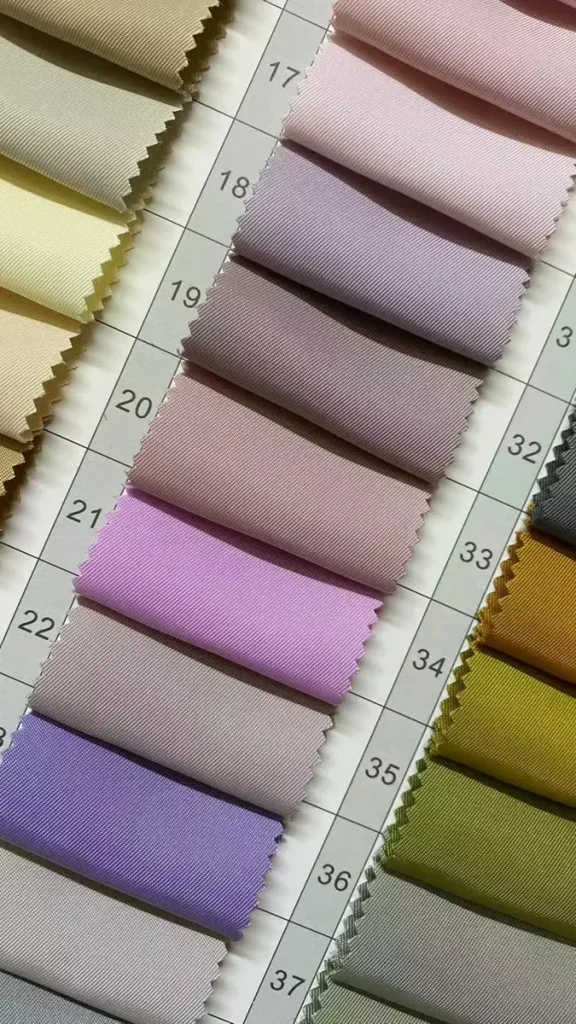
- Color mapping: Assigns exact Pantone codes for the shell, lining, exposed elastic, and hardware finishes.
- Print specifications: Details print names, scale dimensions, repeat sizes, and placement graphics across seams.
- Logo execution: Shows exact positioning and application methods for logos, emphasizing swim-safe heat transfers or silicone prints.
- Labeling assets: Provides detailed artwork files and layout dimensions for main, size, and care labels.
Packaging, Sample Tracking, and Costing
The final section controls the commercial rollout and documents the development lifecycle.
- Retail presentation: Instructs the factory on hygiene liner placement, specific folding methods, and hangtag attachment.
- Version control: Uses revision history tables to track measurement adjustments and construction corrections across sample rounds.
- Financial breakdown: Contains cost sheets detailing unit costs for materials, estimated labor, and the target FOB price.
- File architecture: Enforces strict adherence to the rule of creating one unique tech pack per distinct swimwear style.
Premium Custom Swimwear for Your Brand

How to Build the Measurement Spec Sheet (Step-by-Step)
The measurement spec sheet translates body dimensions into accurate flat garments. Proper negative ease and defined points of measure prevent costly fit issues and factory guessing.
Define Size Range and Points of Measure (POMs)
| POM (Point of Measure) | Description |
|---|---|
| Bust Width | Across front bust at specified location |
| Underbust | Circumference below bust |
| Waist Width | Across narrowest waist point |
| Hip Width | Across widest hip point |
| Front Rise | Crotch to top waist front |
| Back Rise | Crotch to top waist back |
| Strap Length | Finished strap measurement |
| Leg Opening | Circumference around opening |
Select a base size, usually a Medium or an 8/10, to establish the complete size range for production. You need to map out every dimension the factory must cut and sew.
- Core Swimwear POMs: Identify critical measurements like armhole drops, strap widths, crotch widths, and front/back rise.
- Design Features: Map specific measurable dimensions for cut-outs, ruffles, or hardware spacing.
Establish Measurement Methods and Diagrams
Numbers alone leave room for error. Create accurate front and back flat line drawings to visually anchor every measurement point on the garment.
- Visual Guides: Draw clear arrows and labels on the technical flats to demonstrate exact start and end points.
- Text Instructions: Write precise step-by-step instructions for each POM to prevent factory misinterpretation during sampling and QC.
Determine Base Specs and Negative Ease
Take initial flat measurements from a smoothed reference garment, prototype, or existing pattern. Because swimwear requires a tight fit in water, apply calculated negative ease to the body measurements based on the fabric’s stretch and elastane content. Record all base size POM values consistently in either inches or centimeters within the main spec table.
Calculate Elastic Lengths and Apply Grading Rules
Calculate un-stretched elastic lengths by scaling them about 10% shorter than the finished edge measurement. Organize these elastic specifications into a dedicated table that ties directly back to the primary POMs. Next, apply standard grade increments across the size range to scale horizontal widths and vertical lengths proportionally.
Set Tolerances and Finalize Fit Revisions
Manufacturing processes naturally introduce slight variations. Assign acceptable manufacturing deviation tolerances to control this variance.
- Flat Circumferences: Set tolerances around ±0.5 cm.
- Live Testing: Test the first factory sample on a live fit model to evaluate negative ease, gaping, or tension issues.
- Spec Locking: Update the spec sheet with specific fit adjustments, communicate changes to the factory, and lock the final production spec.
Creating the Bill of Materials (BOM) for Swimwear
The Bill of Materials acts as the ultimate shopping list and costing tool for swimwear production, ensuring factories source the exact stretch fabrics, elastics, and corrosion-resistant hardware required.
Essential Components of a Swimwear BOM
A swimwear BOM translates your design vision into concrete sourcing data. Missing a single specification forces the factory to guess, which often leads to fit or performance failures in the water.
- Component descriptions: Detail the fiber content, construction type, and performance specs like chlorine resistance.
- Color and dimension data: Provide exact Pantone references, color codes, and physical dimensions for all hardware and elastics.
- Sourcing metrics: List the supplier information, minimum order quantities (MOQ), lead times, and exact units of measure (UOM).
- Placement mapping: Write explicit placement notes that link every material directly to a specific area on the technical sketch.
Categorizing Swimwear Materials
Grouping materials into functional categories helps sourcing teams quickly review the document. Swimwear relies heavily on specialized components that handle extreme stretch and harsh environments, making rigid categorization essential.
- Shell fabrics and linings: Specify precise stretch percentages (e.g., 4-way stretch) and fabric weight (gsm).
- Specialized elastics: Define widths for leg openings, waistbands, and underbusts, prioritizing shape retention and saltwater resilience.
- Corrosion-resistant hardware: Call out rust-proof materials for all sliders, rings, hooks, and underwires.
- Finishing elements: Catalog all labels, heat transfers, thread types, and branded packaging materials required for final presentation.
Selecting the right fabric is equally important, as stretch recovery, durability, and comfort directly affect garment performance. Our guide on Choosing the Best Swimsuit Material explains how different fabrics perform in swimwear applications.
Calculating Material Consumption and Costs
The BOM acts as your primary financial tool before bulk production begins. You must accurately map out how much raw material each unit requires to calculate true manufacturing margins.
- Base fabric usage: Use pattern data and marker efficiency metrics to determine exact fabric consumption per garment size.
- Wastage percentages: Factor in standard loss rates, adding 5-10% for fabrics and 3-5% for elastics to account for flaws, shrinkage, and cutting errors.
- Unit cost multiplication: Multiply total material consumption by unit costs to determine the exact material cost per garment.
- Variant separation: Break out BOMs by colorway or variant to accurately cost printed styles and mix-and-match collections.
Best Practices for BOM Management
A static document quickly becomes a liability during the sampling phase. Managing your BOM effectively guarantees the factory always works from the most current, approved sourcing data.
- Standardized layouts: Use a consistent table structure and naming convention across all styles to prevent SKU-level errors.
- Continuous syncing: Align the BOM constantly with the tech pack’s technical sketches, measurement specs, and physical color standards.
- Version control: Implement strict tracking for any supplier changes, material substitutions, or updated pricing between sample rounds.
- Factory collaboration: Work with the factory early to validate consumption estimates and identify material supply risks before placing bulk orders.
Construction Details, Stitching, Elastic Mapping, and QC Requirements

Construction details directly influence swimwear fit, durability, comfort, and production consistency. To achieve reliable results in sampling and bulk manufacturing, a swimwear tech pack should clearly document stitching methods, seam construction, elastic applications, and measurable quality control standards.
Stitching Specifications
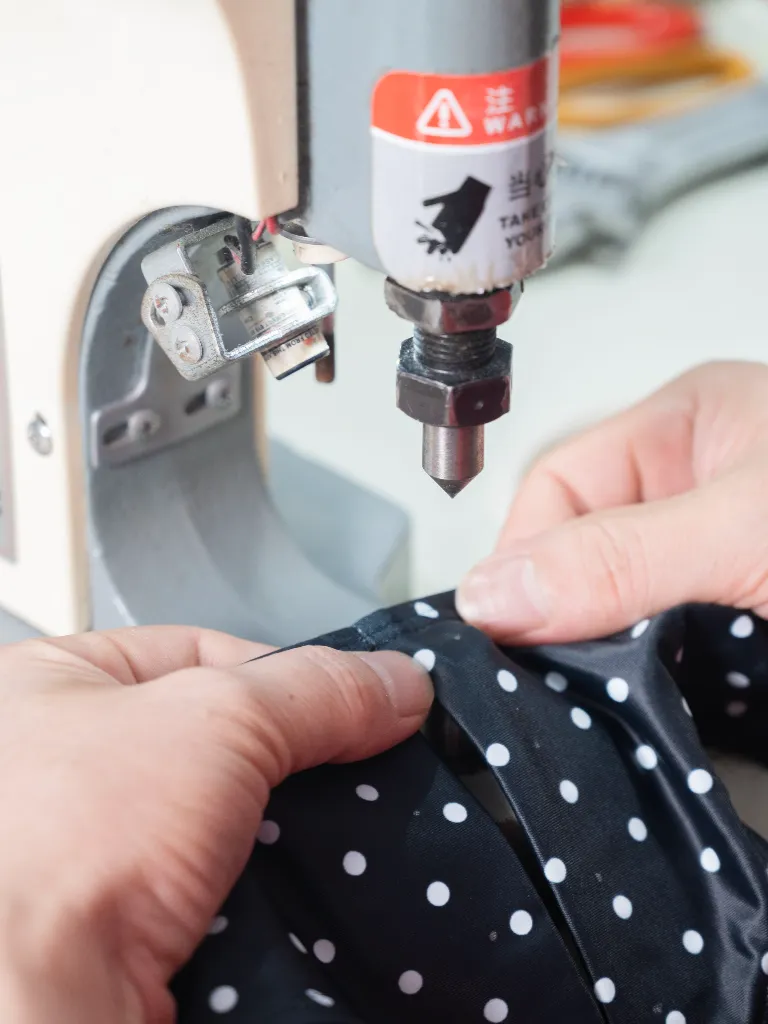
Different areas of a swimsuit require different stitch types depending on stretch requirements and stress levels. The tech pack should specify the exact stitching method used for each construction area.
Common swimwear stitching types include:
- Overlock stitching for joining fabric panels
- Three-step zigzag stitching for attaching swimwear elastics
- Coverstitch finishing for hems and decorative details
- Bartack reinforcement at high-stress areas such as strap connections and closures
Where applicable, include stitch density requirements and thread specifications. Polyester thread is commonly recommended because of its resistance to chlorine, saltwater, and UV exposure.
Seam Construction and Finishing
Seam construction affects both garment performance and wearer comfort. Clear seam instructions help manufacturers maintain consistent quality throughout production.
Important construction details may include:
- Seam allowance width
- Lining attachment methods
- Fold-over elastic (FOE) applications
- Underwire channel construction
- Removable cup pocket assembly
- Reinforcement requirements for support areas
Technical sketches with construction callouts can help eliminate misunderstandings during sample development.
Elastic Mapping Documentation
Elastic placement is one of the most critical factors in swimwear production. Incorrect elastic length or tension can lead to gaping, rolling edges, discomfort, or inadequate support.
An elastic map should clearly identify:
| Area | Elastic Width | Application Notes |
|---|---|---|
| Neckline | 8 mm | Applied at controlled tension to prevent gaping |
| Armhole | 8 mm | Maintains shape and recovery |
| Leg Opening | 10 mm | Provides secure fit without excessive pressure |
| Underbust Band | 12 mm | Additional support and stability |
The tech pack should also specify elastic material type, stretch ratio, and attachment method for each location.
Quality Control Requirements
Quality control standards establish clear expectations before production begins. Instead of using general statements such as “good quality,” the tech pack should define measurable inspection criteria.
Typical swimwear QC checkpoints include:
- Measurements remain within approved tolerances
- Seams show no skipped stitches or thread breakage
- Elastic application is consistent throughout the garment
- Prints and graphics match approved artwork specifications
- Hardware components are securely attached
- Fabrics remain free from visible defects, stains, or color inconsistencies
Including these requirements allows manufacturers and inspectors to evaluate products against the same standards, helping reduce production errors and maintain consistent quality across every order.
Print, Artwork, and Placement Specifications
Precise artwork specifications prevent costly print errors. A swimwear tech pack must define exact file formats, Pantone colors, scaling rules, and printing techniques to guarantee stretch performance and colorfastness.
Artwork Files and Color Specifications
Factories need exact files and colors to execute a print correctly. Send production-ready vector formats or high-resolution raster files to ensure crisp reproduction. You must implement clear file naming conventions and version control to prevent factory mix-ups when updating designs.
- Color Targets: Specify exact Pantone codes for every color role in the artwork, linking them to corresponding body solid colors.
- Colorway Adaptation: Detail exactly how artwork colors adapt across different garment colorways.
Print Types and Application Techniques
Swimwear fabrics stretch repeatedly and face harsh environments. The tech pack must define the specific surface design format, such as an all-over print, a placed motif, or an engineered panel. You must select printing techniques suitable for swimwear, including sublimation for polyester or high-stretch screen printing for nylon blends.
- Environmental Resistance: Establish performance thresholds to ensure prints withstand chlorine, saltwater, and prolonged UV exposure.
- Stretch Tolerance: Verify that applied prints maintain elasticity without cracking when the fabric stretches to 70%.
Placement Measurements and Scaling Rules
A print placed incorrectly on a stretch garment warps the design. You must provide precise placement distances from standard reference points like High Point Shoulder, center front, or underbust seams. Utilize annotated black-and-white flats with dimension arrows to visually communicate layout requirements to the factory.
- Proportion and Grading: Clarify whether graphics remain fixed in size or grade proportionally across the full size run.
- Zone Placement: Keep rigid graphics away from maximum stretch zones to avoid wrapping or visual distortion on the body.
Pattern Matching and Repeat Guidelines
All-over prints and engineered designs require strict alignment instructions. Detail the exact width and height of repeat tiles for all-over prints, including the required repeat direction. For engineered designs, include pattern mapping diagrams to demonstrate how graphics overlay the actual garment pieces.
- Seam Alignment: Set strict alignment tolerances for geometric patterns or stripes meeting at the side seams and center front.
- Layer Continuity: Clarify expectations for print continuity on the shell versus the interior lining.
Common Tech Pack Mistakes and How to Avoid Them
Many product development delays can be traced back to incomplete documentation.
| Common Tech Pack Mistake | Impact on Production | How to Avoid It |
|---|---|---|
| Missing Measurement Definitions | Different teams may interpret measurements differently, leading to sizing inconsistencies and fit issues. | Include clear point-of-measure (POM) diagrams and detailed measurement descriptions. |
| Incomplete BOM Information | Material sourcing errors, incorrect trims, and production delays may occur. | Provide complete material specifications, supplier references, color codes, and fabric details. |
| Lack of Elastic Documentation | Incorrect fit, poor stretch recovery, and inconsistent garment performance. | Specify elastic width, stretch ratio, placement location, and attachment method with diagrams. |
| Unclear Print Placement | Artwork may be positioned incorrectly, resulting in unusable samples or rework. | Include exact dimensions, placement coordinates, alignment instructions, and scale references. |
| Poor Revision Management | Factories may work from outdated files, causing costly production mistakes. | Implement version control, revision logs, approval records, and centralized file storage. |
Can a Swimwear Manufacturer Help Create a Tech Pack?
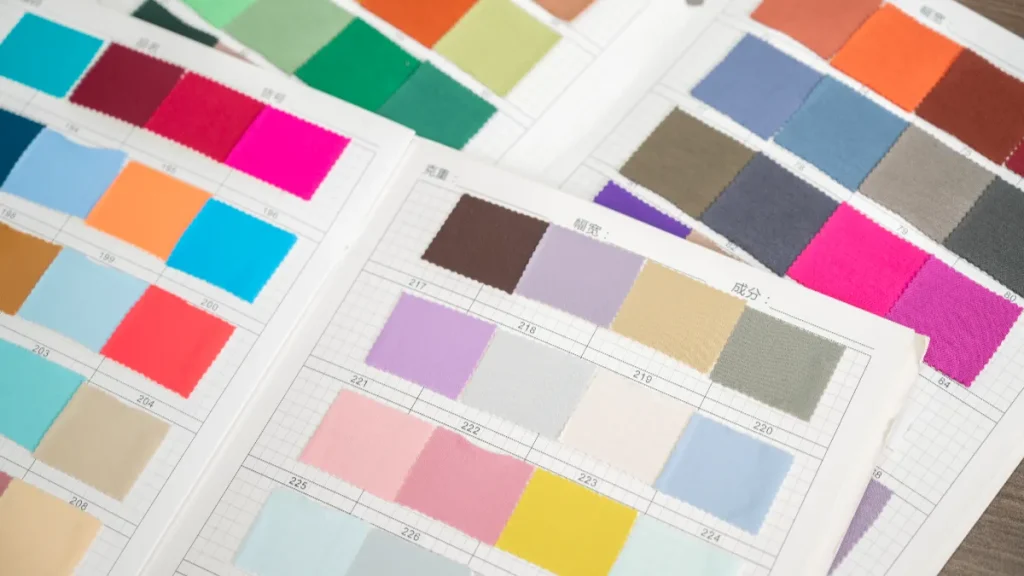
Many startup swimwear brands and independent designers do not have an in-house technical designer. In many cases, founders only have sketches, inspiration images, mood boards, or sample garments rather than a complete production-ready tech pack.
An experienced swimwear manufacturer can help bridge this gap by transforming design concepts into detailed technical documentation. Depending on the project, support may include:
- Pattern development and size grading
- Fabric and trim recommendations
- Measurement specification creation
- Elastic mapping and construction planning
- Print placement guidance
- Sample development and fit adjustments
Working closely with a private label swimwear manufacturer during the development stage can reduce sampling revisions and help identify potential production challenges before bulk manufacturing begins.
At MLY Apparel, we support swimwear brands from initial concept through sampling and mass production, helping clients develop accurate specifications that improve production efficiency and product consistency.
Final Thoughts
A detailed swimwear tech pack helps reduce sampling revisions, improve communication with manufacturers, and ensure consistent quality throughout production. By clearly documenting measurements, materials, construction details, print specifications, and quality requirements, brands can shorten development timelines and minimize costly mistakes before bulk manufacturing begins.
Whether you are launching a new swimwear brand or expanding an existing collection, investing time in a complete and accurate tech pack will make product development faster and more efficient.
Need support turning your designs into production-ready swimwear? MLY Apparel provides OEM and ODM swimwear manufacturing services, including pattern development, sample making, fabric sourcing, private label customization, and bulk production. Contact our team to discuss your project and receive professional guidance from concept to finished product.
Frequently Asked Questions
What must be included in a complete swimwear tech pack?
A production-ready swimwear tech pack requires a style overview, flat technical sketches of the front and back, and precise construction call-outs. You also need detailed measurements with grading rules, a highly specific Bill of Materials (BOM), and exact fabric and colorway data. Finish it off with clear elastic specifications, step-by-step assembly instructions, and measurable quality tolerances.
How detailed should swimwear measurements be?
Measurements should define every critical point of measure, include finished garment dimensions, grading increments, and acceptable tolerances. Clear diagrams should accompany measurement tables whenever possible.
Are stitching diagrams necessary for swimwear?
Yes, you need stitching diagrams or technical call-outs whenever the construction impacts stretch, fit, or durability. Clearly specify the stitch types—such as zigzag, coverstitch, or overlock—along with seam allowances and elastic attachment methods. This stops the factory from guessing and ruining the sample.
How do you specify elastic lengths in the tech pack?
Define elastic lengths by the required negative ease to guarantee a secure fit without gaping. Factories typically cut elastic shorter than the pattern seam length. This translates to a 2–5% reduction for leg openings and an 8–15% reduction for underbust support. Detail the finished length per size, the exact reduction percentage, and the sewing application method directly in the specs.
What causes the most miscommunication with swimwear manufacturers?
Missing specifications and vague, subjective language cause the majority of production failures. Telling a factory to make a top “supportive” or give it a “luxury feel” guarantees misinterpretation. You reduce sampling errors by replacing adjectives with hard data: exact material compositions, measurable tension ratios, annotated construction diagrams, and complete measurement charts.