コンテンツにスキップ

The construction method used in 水着 has a direct impact on comfort, 外観, 耐久性, and production efficiency. While traditional stitching has been the industry standard for decades, ultrasonic bonding technology has become increasingly popular in premium swimwear, アクティブウェア, and performance apparel.
Many swimwear brands today face an important decision: should they choose bonded seams for a modern, seamless appearance, or stick with conventional stitching for proven durability and flexibility?
This guide compares ultrasonic bonding and traditional stitching in detail to help 水着ブランド make informed sourcing and manufacturing decisions.
比較表: Bonded Seams vs Stitched Seams
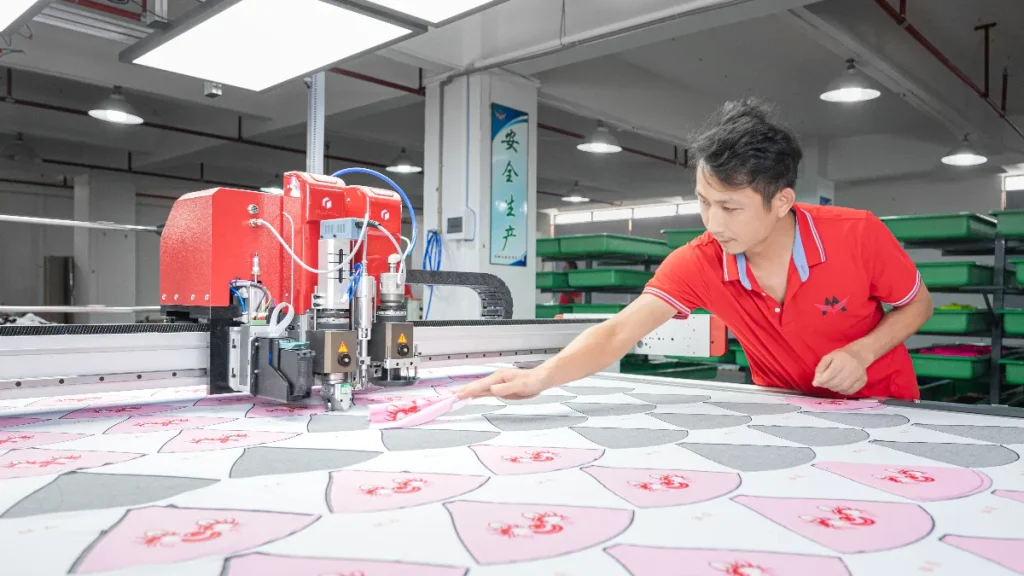
Bonded seams prioritize minimal drag and ultimate comfort for elite racing, while stitched seams deliver proven, repairable durability for high-flex, everyday training.
| 特徴 | Ultrasonic Bonding | Traditional Stitching |
|---|---|---|
| Construction Method | Heat and ultrasonic vibration fuse fabrics together | Needle and thread join fabric panels |
| Appearance | スムーズ, clean, seamless look | Visible stitch lines |
| 快適 | Very soft against skin | May cause friction in sensitive areas |
| Water Resistance | Better seam sealing | Needle holes may allow water penetration |
| Stretch Performance | Excellent when properly engineered | Excellent with stretch stitches |
| 耐久性 | Strong on suitable fabrics | Proven long-term reliability |
| Production Speed | Faster after setup | Slower due to sewing operations |
| Defect Rate | Lower thread-related defects | Possible skipped stitches or thread breakage |
| Equipment Cost | High initial investment | Lower equipment cost |
| Repairability | More difficult | Easier to repair |
| Suitable Products | Premium swimwear, performance wear | Most swimwear categories |
What Is Ultrasonic Bonding and How It Works
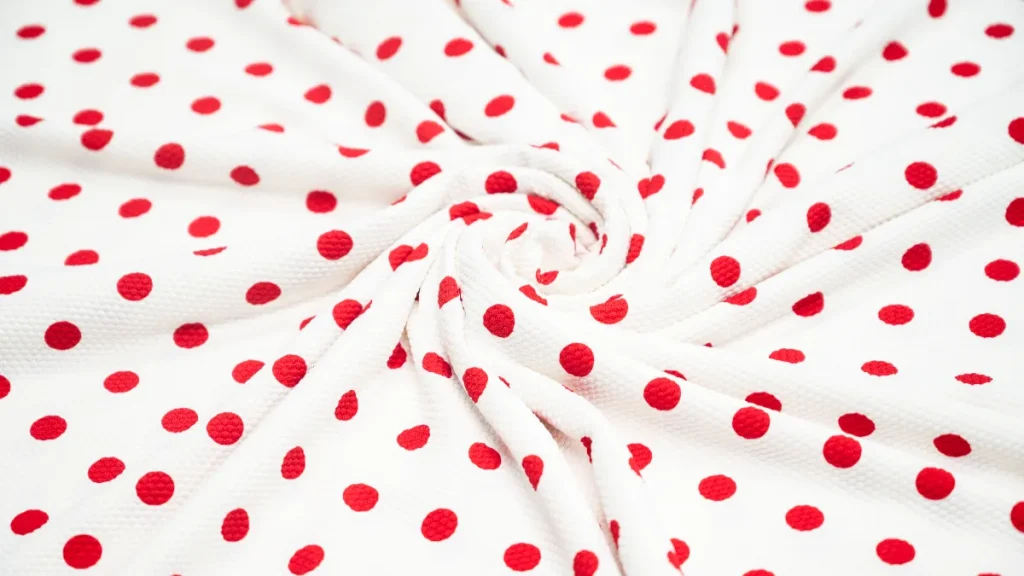
Ultrasonic bonding uses high-frequency vibrations and pressure to fuse synthetic swimwear fabrics, eliminating traditional needle and thread for a flat, low-profile seam.
Definition and Purpose in Swimwear Manufacturing
Ultrasonic bonding replaces traditional sewing with a joining process that relies on high-frequency mechanical vibrations, targeted pressure, and localized heat.
This method entirely eliminates the need for sewing thread, visible stitches, and needle perforations. Manufacturers use it extensively to join stretch knits like nylon and spandex. The process attaches elastics and seals fabric edges to significantly reduce water drag in performance garments.
The system produces a solid-state bond. It delivers minimal bulk and a flat, low-profile seam that sits flush against the skin to maximize athlete comfort.
The Core Bonding Mechanism
The process starts with a power supply generating high-frequency vibrations, typically between 20 そして 40 kHz. A titanium or aluminum horn delivers these vibrations directly to the material interface.
Operators clamp the fabric layers between the vibrating horn and an anvil under carefully controlled pressure. As the horn vibrates, micro-sliding and friction soften the polymer matrix at the exact point of contact. This targets the joint without heating the surrounding areas of the garment.
The softened polymer chains from the adjacent fabric layers inter-diffuse and blend. Once the vibrations stop, the material solidifies in milliseconds to form a permanent, structural bond.
The Thermosonic Bonding Variant
Some swimwear designs require joining thicker or highly elastic materials. To handle these demands, engineers developed the thermosonic bonding variant.
This technique integrates supplemental heat from the anvil or roller alongside the standard ultrasonic vibrations. Adding external heat improves the overall bond strength on difficult synthetic fabrics.
It also lowers the required ultrasonic amplitude and downward force. This reduction minimizes the risk of damaging delicate materials while increasing the overall stability and consistency of the production process.
Premium Custom Swimwear for Your Brand

How Traditional Stitching Works in Swimwear

Traditional swimwear construction relies on precise thread interlacing to maintain fabric stretch. Mastering machine settings, needle selection, and assembly order dictates whether a seam supports or restricts movement.
Traditional stitching remains the most widely used construction method in swimwear manufacturing. Despite the growing popularity of ultrasonic bonding, most bikinis, ワンピース水着, men’s swim shorts, and performance swimwear still rely on carefully engineered stitching techniques to achieve strength, ストレッチ, and long-term durability.
In this process, fabric panels are joined together using specialized sewing machines and stretchable threads. Unlike bonded seams, which fuse materials through ultrasonic energy and heat, stitched seams create a mechanical connection by interlocking threads through the fabric layers.
Common Stitch Types Used in Swimwear
Swimwear manufacturers use several stitch constructions depending on the garment design and performance requirements.
Overlock Stitching
Overlock seams are commonly used for joining major body panels. They provide excellent elasticity while preventing fabric edges from fraying or curling.
Flatlock Stitching
Flatlock seams create a flatter profile against the skin, reducing friction and improving wearer comfort. This stitch type is frequently found in athletic swimwear and performance garments.
Coverstitch Construction
Coverstitch machines are often used around leg openings, ネックライン, and hems. These seams maintain stretch while creating a clean, professional appearance.
Reinforced Elastic Stitching
Areas exposed to higher tension—such as shoulder straps, waistbands, and leg openings—often require reinforced stitching to securely attach elastic components and improve fit retention.
Comfort and Aesthetic Differences Between Both Methods
Ultrasonic bonding delivers a sleek, friction-free fit ideal for modern minimalism. Stitching offers reliable flexibility while supporting textured, highly contoured design languages.
Skin Feel and Irritation Reduction
Ultrasonic bonding creates a smooth, low-profile seam that sits completely flat against the body. Eliminating stitch holes and exposed thread lines drastically reduces friction in high-contact areas like the inner thighs, underarms, そしてネックライン.
Traditional stitched seams introduce raised ridges and thread bulk. In tight-fitting performance or fashion swimwear, these physical ridges require careful pattern placement to prevent localized chafing during repetitive motion.
柔軟性, Weight, and Water Performance
By removing thread layers and stitch buildup, ultrasonic bonding reduces overall seam bulk. This weight reduction is especially noticeable where multiple fabric panels intersect. Bonded seams also support water-resistant construction, lowering drag and reducing fabric saturation to keep the suit feeling lighter in the water.
Stitched construction remains highly flexible when using stretch stitches like a zigzag or overlock. The trade-off is that thread inherently adds physical mass to the garment, which can absorb more water and slightly increase drag compared to flat welded alternatives.
Seam Visibility and Surface Texture
Ultrasonic methods produce a seamless or near-seamless appearance. The process yields a sleek surface with crisp, clean edges that minimizes the visual segmentation of panels, giving the swimwear a continuous look.
Stitching inherently adds texture to the garment. Visible seam lines, folded seam allowances, and decorative topstitching stand out against the base fabric. Designers often use this visual break to highlight structural detailing and body contouring.
Design Language and Premium Perception
Bonded seams strongly associate with a modern, high-tech, and minimalist luxury aesthetic in the swimwear market. The clean execution delivers a highly engineered look that appeals to buyers seeking technical performance and sleek silhouettes.
Stitched construction supports a much broader spectrum of visual styles. A well-executed stitch line adapts to everything from traditional handcrafted appearances to sporty, color-contrasted designs. While bonding looks futuristic, stitched garments maintain their own premium feel through precise execution and visible craftsmanship.
Durability and Performance Comparison
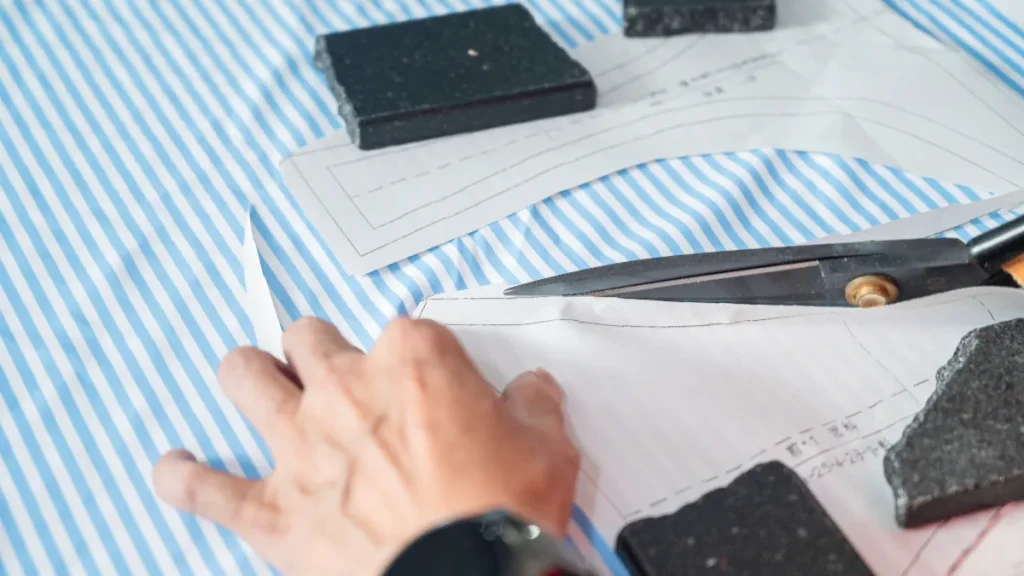
While traditional stitching offers superior peak tensile strength, optimized ultrasonic seams provide unmatched comfort, drag reduction, and edge stability for performance swimwear.
Tensile Strength and Mechanical Durability
Traditional stitched seams consistently dominate in pure physical stress tests. Lab evaluations show they provide up to 62% higher peak tensile strength across certain fabric combinations. This mechanical interlocking handles cyclic stretching exceptionally well, relying on specialized stretch-optimized stitches like zig-zag or flatlock patterns to maintain elasticity under heavy use.
Ultrasonic seams easily match functional strength requirements when operators optimize the equipment parameters for the specific fabric. Poor calibration introduces immediate risks. Over-heating or under-welding the material leads directly to cohesive failure along the seam. Excessively rigid ultrasonic welds concentrate strain precisely at the weld edge. Under repeated stretching, this concentrated stiffness often causes micro-tears in the surrounding fabric.
快適, フィット, and Hydrodynamic Performance
Elite competitive swimmers prioritize hydrodynamic drag reduction above almost all other performance metrics. Stitchless construction removes surface ridges and protruding threads, keeping the water boundary layer undisturbed as the athlete moves. Ultrasonic bonding produces these flat, low-profile seams that significantly reduce chafing and skin irritation during repetitive, high-intensity motion.
To maintain fabric flexibility and drape, manufacturers carefully tune the ultrasonic weld geometry. Utilizing narrow or intermittent bonding patterns prevents the seam from becoming an unyielding band across the body. Stitched garments retain a distinct advantage for complex suit architecture. Thread-based construction allows much easier integration of heavy structural elements like underwire casings, カップ, and thick elastic bindings.
Resistance to Water, 塩素, and UV Exposure
Standard sewing needles punch thousands of tiny holes into swimwear fabric, creating micro-channels for water to enter. Ultrasonic seams eliminate these needle holes entirely. This continuous physical barrier reduces initial water retention and visibly speeds up the garment’s drying time.
Threadless designs completely remove the risk of conventional thread degradation. You never have to worry about stitching rotting or snapping after prolonged exposure to chlorine, 塩水, or intense UV radiation. Because the seam consists entirely of fused thermoplastic fibers, the chemical degradation rate of an ultrasonic bond perfectly mirrors the base fabric itself. You only need to account for heat sensitivity. Prolonged exposure to high-temperature environments, such as hot commercial dryers or saunas, can weaken and degrade these thermoplastic bonds.
Edge Stability and Aesthetic Longevity
Thin, high-denier knit fabrics require heavy edge stabilization to stop them from unraveling during consumer use. Traditional construction forces factories to add seam bulk through overlocking or separate binding tape. Ultrasonic welding solves this by simultaneously cutting and autosealing the raw fabric edges, instantly preventing fraying without adding excess thickness.
As stitched garments age, the physical thread takes a serious beating. The stitch lines risk noticeable thread discoloration, surface fuzzing, and tension puckering that permanently distorts the fabric. Bonded seams maintain a clean, modern aesthetic long after purchase. They eliminate the risk of color-mismatched threads entirely, leaving a slight gloss change directly inside the welded zone as the only visible shift over time.
Production Speed and Defect Rate Differences
Ultrasonic bonding boosts throughput by up to 4x and eliminates thread-related downtime, but demands precise parameter control to match the field reliability of traditional stitched seams.
Production Speed Multipliers and Time-Saving Factors
Manufacturers switching to ultrasonic bonding see an immediate impact on throughput. The technology operates 70 に 80 percent faster than conventional sewing for comparable seams. Specific linear applications can push production speeds up to four times higher than a standard lockstitch machine.
- Zero thread management: Operators skip bobbin changes, rethreading, and thread trimming entirely, maximizing productive machine time.
- Single-pass operations: A single run simultaneously cuts and seals edges using minimal seam allowance.
- Automation readiness: The continuous nature of the process integrates easily into automated production lines for repetitive tasks.
Nature of Defects in Ultrasonic vs. Stitched Seams
Different joining methods generate distinct failure profiles on the factory floor. Traditional sewing handles minor material variations well but inherently drives higher in-line scrap rates due to mechanical complexity and operator handling.
- Stitched seam defects: Common issues include skipped stitches, thread breakage, tension imbalances, and needle damage to fine elastane fabrics.
- Ultrasonic defect risks: Incorrect energy or pressure settings cause weak bonds, burn-through, unbonded zones, or overly stiff edges.
Once engineers lock in the correct energy and pressure settings, ultrasonic bonding delivers highly stable defect rates. Removing needles and thread eliminates operator-induced variability and mechanical thread issues from the equation.
Seam Strength, Fatigue, and Field Performance
Speed gains mean nothing if the product fails under stress. Traditional stitched seams still hold an edge in raw tensile capacity, demonstrating up to 62% higher mean strength in specific textile tests. The thread loops naturally redistribute stress during repeated extension, offering a built-in safety factor against burst and fatigue.
High-stretch swimwear endures intense, repetitive mechanical and chemical stress. Ultrasonic seams demand exact parameter optimization to prevent tearing or peeling under these loads. Properly engineered, sonic welds provide low-bulk, water-resistant edges that refuse to fray.
Balancing Trade-Offs with Hybrid Production Strategies
You do not have to choose just one method. Factories increasingly adopt hybrid production flows to extract the best from both technologies based on the specific requirements of each garment zone.
- Ultrasonic bonding zones: Best deployed for clean, linear structural seams on fabrics containing at least 60% thermoplastic content.
- Stitched reinforcement zones: Superior for complex 3D curves, fabrics with high spandex content, and critical tension points like under-bust supports.
This hybrid approach maximizes throughput on straight edges while retaining the functional resilience of thread-based joints in high-stress areas.
When to Choose Bonding vs Stitching
The choice between bonding and stitching depends entirely on your market positioning. High-performance racing demands ultrasonic bonds, while recreational lines lean on the proven versatility of traditional sewing.
The best construction method depends on your product goals rather than following industry trends.
Choose Ultrasonic Bonding When:
- You target premium swimwear markets.
- A seamless appearance is important.
- Customer comfort is a top priority.
- Your collection emphasizes technical performance.
- You want a modern, luxury aesthetic.
- The selected fabrics are bonding-compatible.
Choose Traditional Stitching When:
- Product versatility is important.
- Designs contain complex structural details.
- Lower manufacturing costs are required.
- Small production runs are common.
- Future alterations or repairs may be needed.
- You use a wider range of fabric types.
Consider a Hybrid Approach
Many successful swimwear brands combine both technologies.
For example:
- Bonded necklines and leg openings
- Stitched support structures
- Bonded decorative panels
- Reinforced stitched stress points
This hybrid construction allows brands to maximize comfort and aesthetics while maintaining structural strength.
The most effective solution often comes from evaluating the specific design rather than choosing a single construction method for every product.
最終的な考え
Both ultrasonic bonding and traditional stitching play important roles in modern swimwear manufacturing. Bonded seams offer a sleek appearance, exceptional comfort, and advanced performance benefits, while stitched seams provide proven durability, 設計の柔軟性, and cost-effective production.
Rather than asking which method is universally better, successful swimwear brands focus on selecting the right construction method for their target customers, product positioning, and performance requirements.
で MLYアパレル, we help brands evaluate fabrics, construction techniques, and production strategies to develop swimwear collections that balance aesthetics, 快適, 耐久性, and manufacturing efficiency. Whether your project requires bonded technology, precision stitching, or a hybrid solution, our team can support custom OEM and ODM swimwear development from サンプリング to bulk production.
よくある質問
Can bonded swimwear be customized for private label brands?
絶対に. Many premium swimwear brands use ultrasonic bonding to create seamless collections under their own labels. で MLYアパレル, OEMをサポートします, ODM, and private label swimwear development, including custom fabrics, プリント, ロゴ, 梱包, and bonded seam construction.
Which seam construction is better for startup swimwear brands?
Traditional stitching is usually the best starting point because it offers lower development costs and greater design flexibility. As a brand grows, bonded seams can be added to create more premium swimwear collections.
Does bonding last long in swimwear?
はい. High-quality bonded swimwear can last for years when produced with suitable fabrics and proper manufacturing processes. Seam lifespan depends largely on material compatibility, construction quality, and garment care.
Does stitching cause chafing?
はい, particularly if bulky seam constructions are used. しかし, modern swimwear manufacturers often use flatlock and specialized stretch seams that significantly reduce friction and improve comfort.
Is it possible to repair ultrasonically bonded swimwear?
Repairing bonded swimwear is highly challenging. You can easily unpick and re-sew stitched seams, but ultrasonic bonding permanently melts the fabric fibers together. If a bonded seam fails, fixing it requires stitching over the damaged area with a traditional needle and thread. This functional repair restores the garment but permanently alters the original seamless look.