Skip to content

When it comes to choosing the right swimwear for kids, parents are no longer just looking for cute designs—they want safety, comfort, and durability all in one. Whether your child is splashing in a pool, exploring the beach, or learning to swim, the right swimsuit can significantly improve both visibility and confidence in the water.
In this guide, we’ll break down everything you need to know—from the safest swimsuit colors to the best fabrics and smart buying strategies—so you can make informed, worry-free decisions.
Why Choosing the Right Kids Swimsuit Matters

Before focusing on colors and materials, it’s important to understand how the right swimsuit impacts your child’s overall swimming experience.
Safety and Visibility in Water
- Children can move quickly and unpredictably in water, making it essential for parents and lifeguards to spot them instantly. A poorly chosen swimsuit color can blend into the surroundings, especially underwater, reducing reaction time in emergencies.
- Water conditions vary greatly—clear pools, dark lakes, and reflective ocean waves all affect visibility differently. Choosing a high-visibility swimsuit helps ensure your child remains easy to track in any setting.
- In crowded swimming areas, bright swimwear acts as a visual marker, helping parents keep an eye on their kids even from a distance.
Comfort Drives Better Movement
- Kids are naturally active, so restrictive or rough fabrics can cause discomfort, leading to irritation or distraction during play. A well-designed swimsuit allows full freedom of movement for swimming, jumping, and running.
- Breathable and lightweight materials prevent overheating, especially during long hours under the sun. This is particularly important in summer conditions where kids are exposed to both heat and water.
- Comfortable swimwear also reduces resistance in the water, helping children feel more confident and improving their swimming performance.
Durability and Long-Term Value
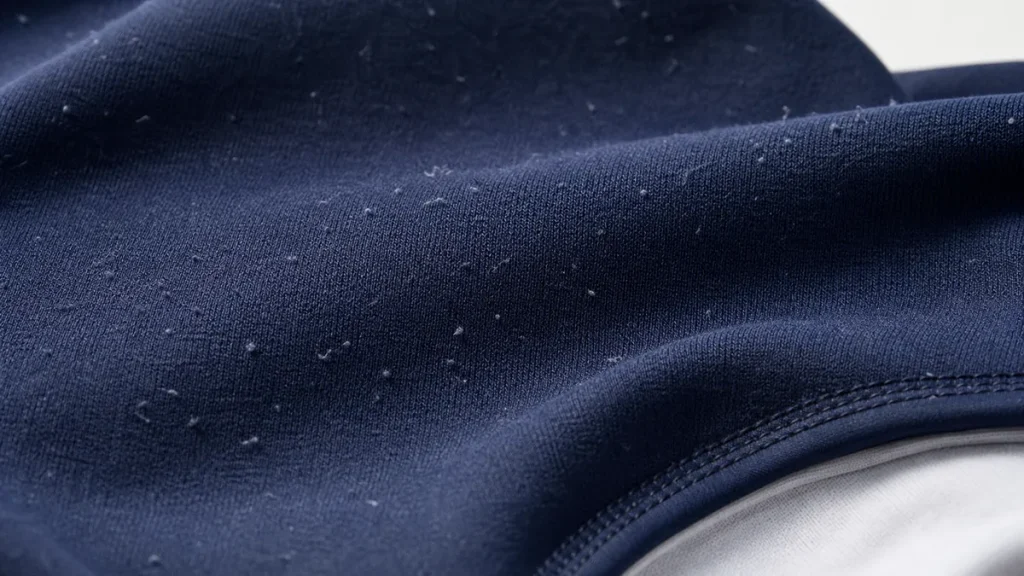
- Frequent exposure to chlorine, saltwater, and sunlight can quickly wear down low-quality swimwear, leading to fading, stretching, and fabric breakdown.
- High-quality materials maintain their elasticity and color over time, even after repeated washing and use.
- Investing in durable swimwear reduces the need for constant replacements, making it more cost-effective for parents in the long run.
What Is the Safest Bathing Suit Color for Kids?

Swimsuit color plays a crucial role in water safety, and not all colors perform equally in different environments.
Best High-Visibility Colors for Kids
- Neon colors (lime green, bright orange, hot pink)
These are widely considered the safest options because they remain highly visible both above and below water. Their brightness contrasts strongly against blue pool water and darker natural bodies of water, making children easier to spot instantly.
- Bright orange and neon yellow
These colors are especially effective in lakes and oceans, where water tends to be darker or murkier. They stand out even in low-light conditions or when waves create visual distractions.
- Bold color-blocking designs
Swimsuits with contrasting panels or patterns can enhance visibility by breaking up the silhouette, making movement easier to detect from a distance.
Colors That Reduce Visibility
- Blue and aqua shades
These colors closely match the natural color of water, causing the swimmer to blend in, especially in pools or clear environments. This significantly reduces visibility underwater.
- White and light pastels
While stylish, these colors tend to fade visually due to sunlight reflection and water glare, making them less reliable for safety purposes.
- Dark tones like black or navy
These colors disappear quickly in deeper or murky water, making it difficult to track a child’s position.
Choosing Colors Based on Swimming Environment
- Swimming pools: Neon pink, green, and orange offer the highest contrast against blue water.
- Lakes and rivers: Bright orange and yellow perform best in darker, less transparent water.
- Ocean settings: Neon shades remain visible despite waves, foam, and changing light conditions.
How to Choose the Best Swimsuit for Kids
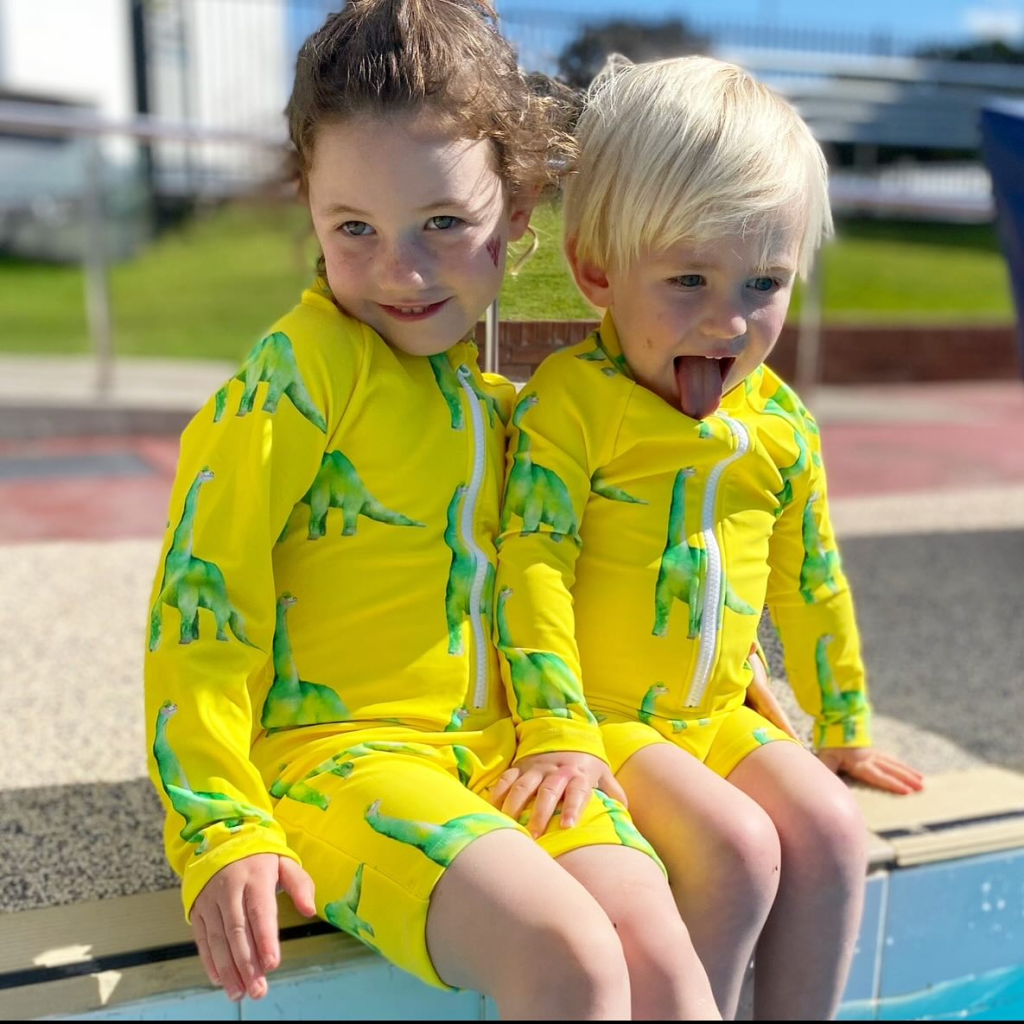
Beyond color, selecting the right swimsuit involves evaluating fabric, fit, functionality, and protection features.
1. Selecting the Right Fabric
These are highly resistant to chlorine and fading, making them ideal for kids who swim frequently. They retain their shape and color even after repeated use.
- Nylon and spandex blends
Known for their flexibility and softness, these materials provide excellent stretch, allowing kids to move freely without feeling restricted.
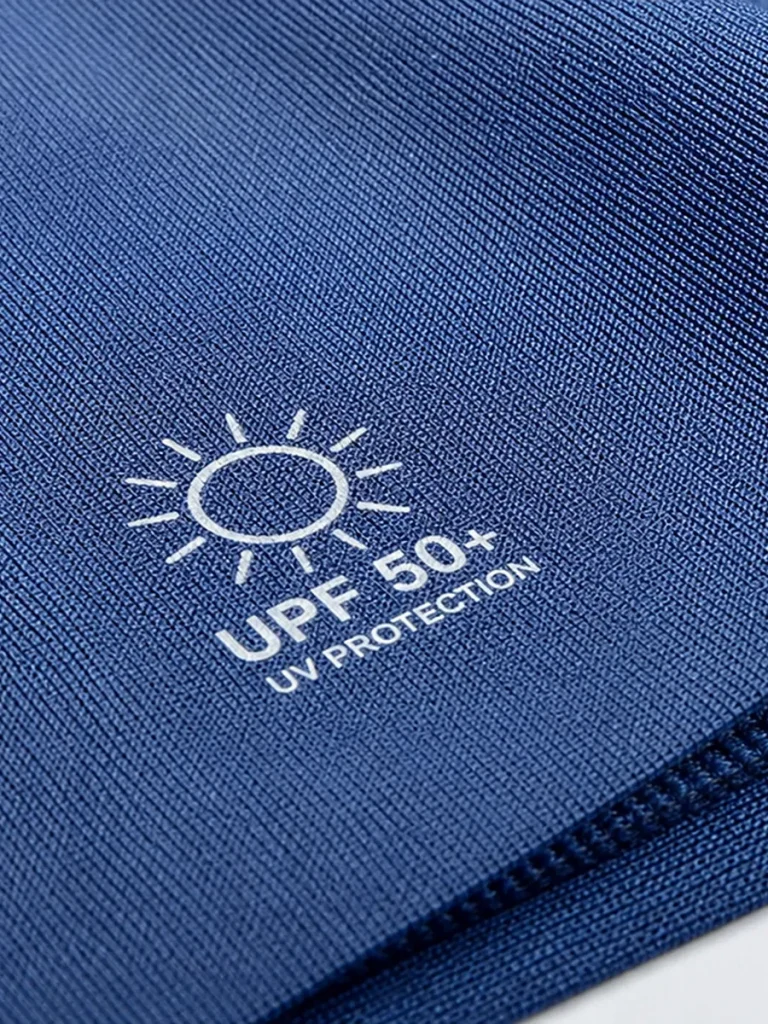
- UPF-rated materials
Fabrics with built-in UV protection help block harmful rays, reducing the need for constant sunscreen reapplication on covered areas.
- Quick-drying technology
Fast-drying fabrics prevent kids from staying in wet clothing for too long, reducing discomfort and the risk of skin irritation.
2. Ensuring the Perfect Fit
- Snug yet comfortable fit
A properly fitted swimsuit should stay in place during movement without being too tight. This prevents slipping, bunching, or discomfort while swimming.
- Secure straps and closures
Adjustable straps, elastic waistbands, and reinforced stitching help ensure the swimsuit remains stable during active play.
- Ease of wear
For younger children, swimsuits that are easy to put on and take off can save time and reduce frustration, especially during bathroom breaks.
- Appropriate design choice
One-piece swimsuits generally offer better coverage and security, while two-piece options may provide more flexibility for older kids.
3. Prioritizing Sun Protection
- UPF 50+ protection
High-UPF swimwear blocks up to 98% of UV rays, offering an added layer of defense against sunburn.
- Rash guards and long sleeves
These provide extended coverage for sensitive areas like shoulders and arms, which are often exposed to direct sunlight.
- High-neck and longer-cut designs
These styles reduce exposed skin, minimizing the risk of sun damage during long outdoor activities.
4. Evaluating Safety and Construction Details
- Flatlock seams
These seams lie flat against the skin, reducing friction and preventing chafing during movement. - Reinforced stitching
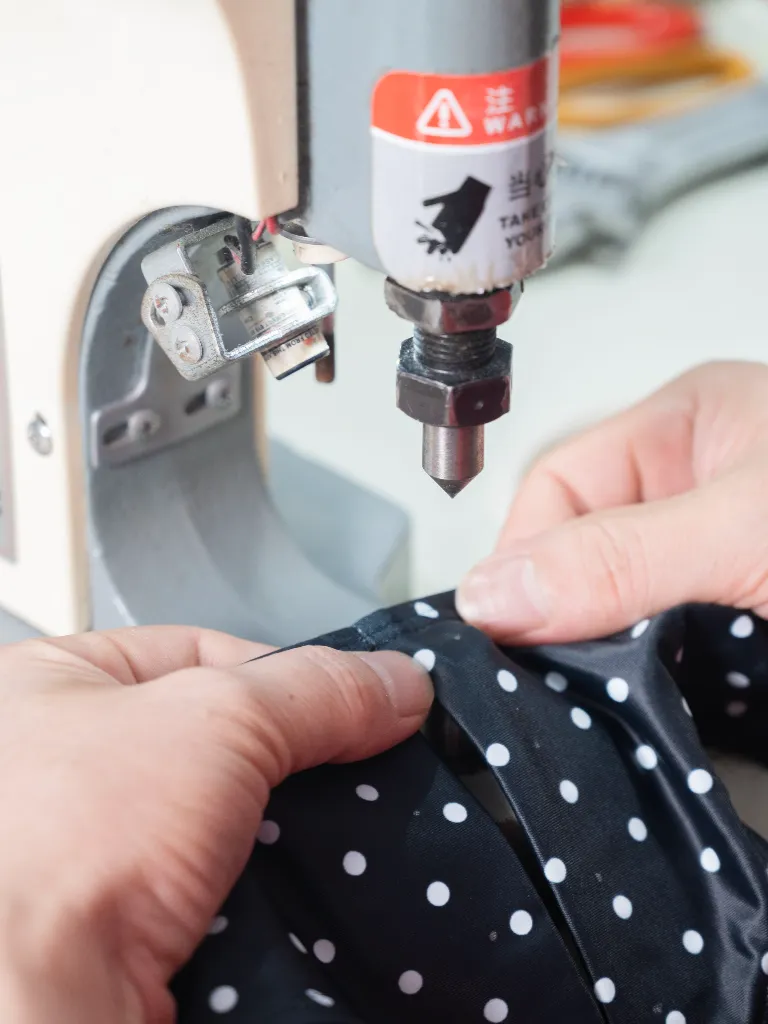
Strong stitching ensures the swimsuit can handle active use without tearing or losing shape. - Non-slip features
Elastic grips or secure linings help keep the swimsuit in place, especially during diving or jumping. - Soft inner linings
These add an extra layer of comfort and prevent irritation on sensitive skin.
Why Custom Kids Swimwear Is a Smart Choice
As demand grows for personalized products, custom kids swimwear is becoming increasingly popular among brands and parents.
Benefits of Customization
- Enhanced safety design
Customization allows you to choose high-visibility colors tailored to specific swimming environments, improving overall safety. - Better fit and comfort
Custom sizing ensures a more precise fit, reducing discomfort and improving performance in the water. - Unique branding opportunities
Schools, swim teams, and brands can create distinctive designs that stand out in the market. - Flexible design options
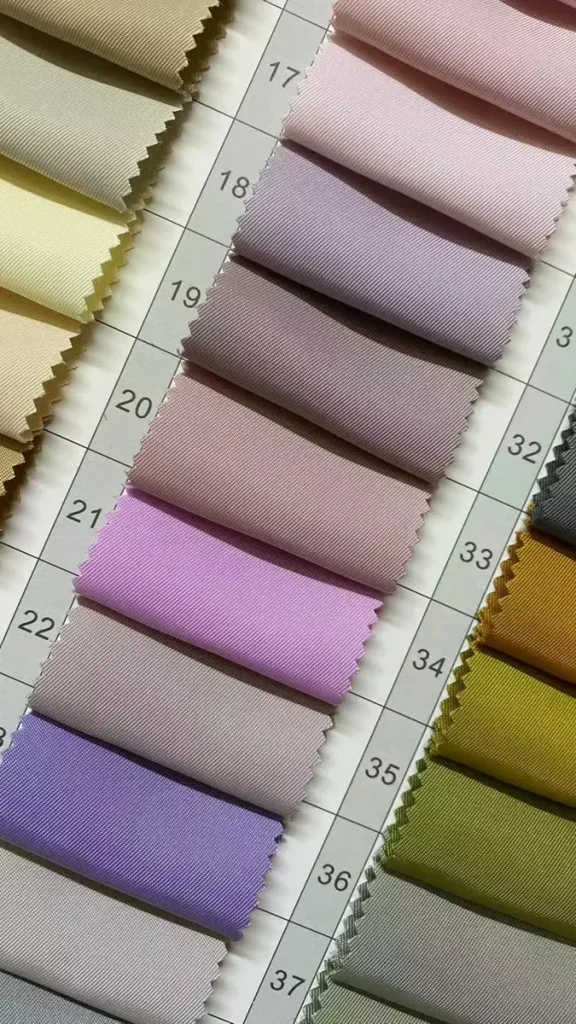
From patterns to fabric selection, customization offers complete control over the final product.
Working with a Professional Swimwear Manufacturer
- OEM/ODM capabilities
A reliable swimwear manufacturer can turn your ideas into high-quality finished products, whether you need custom designs or ready-made solutions. - Quality certifications
Look for standards such as OEKO-TEX® and UPF testing to ensure safety and performance. - Scalable production
Manufacturers that offer flexible MOQ and scalable production are ideal for both small brands and large retailers. - Strict quality control
Consistent inspection processes ensure every piece meets durability and safety expectations.
Smart Buying Tips for Parents

When shopping for swimwear for kids, a few practical strategies can make all the difference.
Look Beyond Style
- While fun prints and trendy designs are appealing, safety and functionality should always come first. Bright colors and high-quality fabrics are more important than aesthetics alone.
- Always check how the swimsuit looks both in and out of water, as some colors may change appearance when wet.
- Consider how visible your child will be in the specific environment where they will swim most often.
Choose the Right Size
- Avoid buying swimsuits that are too large, as loose fabric can shift or cause drag in the water.
- Slightly sizing up is acceptable for growing kids, but the fit should still remain secure and supportive.
- Adjustable features can help extend the lifespan of the swimsuit.
Check Fabric Quality and Care
- Rinse swimsuits with clean water after each use to remove chlorine or salt, helping maintain fabric integrity.
- Follow care instructions carefully to prevent stretching, fading, or damage.
- Investing in higher-quality swimwear often results in better performance and longer wear.
Conclusion
Finding the perfect kids swimsuit doesn’t have to be overwhelming—it’s about making smart, informed choices that prioritize safety, comfort, and durability. By choosing high-visibility colors, selecting quality fabrics, and focusing on fit and protection, you can ensure your child enjoys every moment in the water with confidence.
Whether you’re a parent shopping for everyday use or a brand working with a trusted swimwear manufacturer to develop custom kids swimwear, the right decisions today can make a lasting difference in both safety and satisfaction.