Skip to content

Mix and match bikinis promise variety, but choosing colors, coverage, and fits that work together can feel guessy. Here’s a clear way to create versatile, flattering sets without overbuying or clashing.
This guide covers color and pattern coordination, balancing coverage and fabric types, and matching for body shape and symmetry, helping fashion-forward women build cohesive, comfortable sets that highlight their best features and multiply outfit options.
Color and Pattern Coordination
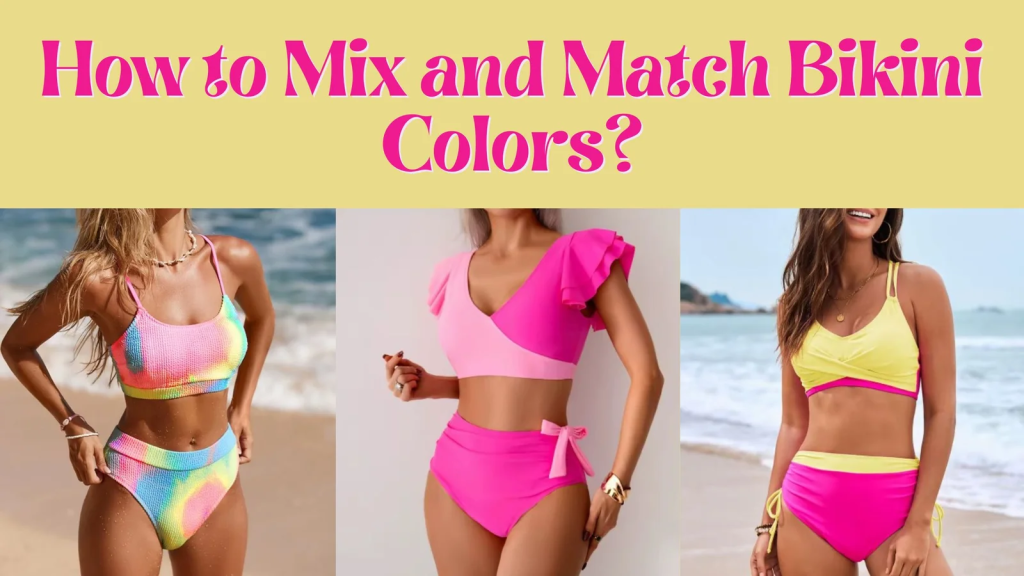
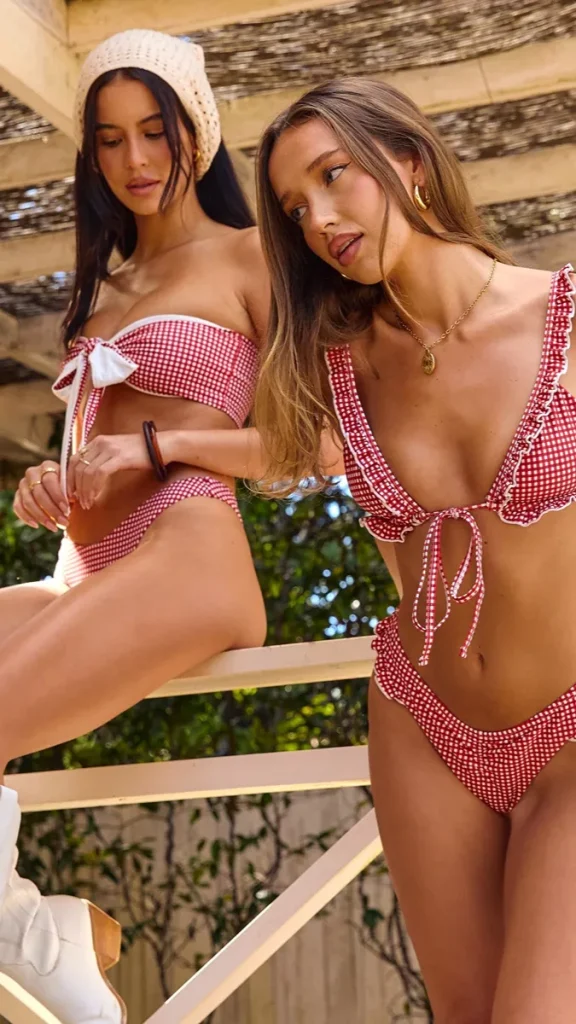
The most fashionable mix-and-match bikini combinations come from coordinating colors and patterns that strike a balance—not too similar or too different. Pairing solid colors with prints sharing a color consistently ranks highest in consumer preference.
Smart pairing makes mix and match bikinis look intentional and eye-catching. In our experience at MLY Apparel, solid-plus-print with a shared hue delivers reliable style and easy merchandising.
Principles of Color Coordination
- Moderate coordination looks best, supported by a quadratic effect (R² = 0.44) in women’s clothing studies.
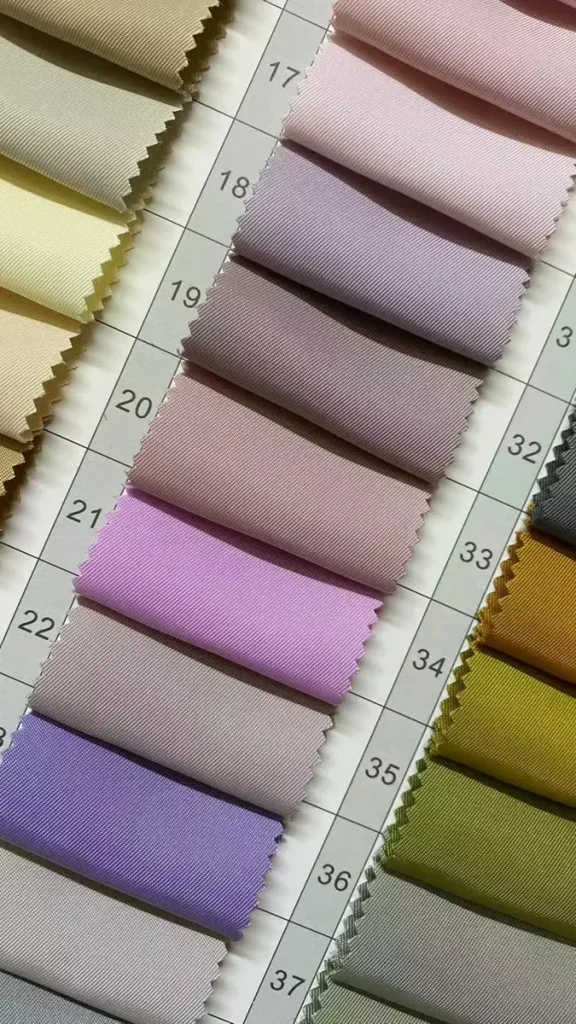
- Neutrals like black, navy, and white pair with any color for effortless mixing.
- Keep warm tones (red, orange, coral) together and cool tones (blue, green, purple) together for cohesion.
Strategies for Pattern Coordination
- Ensure both pieces share at least one color to keep harmony across the set.
- Balance scale: mix one large-scale motif with one small-scale print for clean contrast.
- Avoid stacking multiple bold patterns of the same scale to prevent visual competition.
Impact of Color and Pattern on Visibility and Body Shape
| Factor | Best Practice | Effect in Water / On Body |
|---|---|---|
| High-visibility colors | Use neon orange, neon green, bright yellow, or hot pink | Boosts visibility for safety; stands out against water |
| Large, dark patterns | Limit coverage or balance with a brighter solid | Decreases visibility; can feel heavier visually |
| Small patterns | Use as a base with a brighter or solid counterpart | Minimal impact on visibility; adds texture |
| Color placement | Put darker colors where you want to minimize; brights where you want to highlight | Dark tones visually reduce; brights draw attention |
| Vertical stripes | Use vertical or gently diagonal lines on the area you want to elongate | Creates a longer, leaner silhouette |
Balancing Coverage and Fabric Types
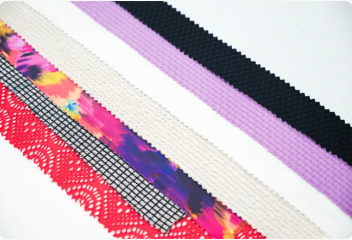
Balancing coverage and fabric types for mix and match bikinis requires selecting materials that offer the right combination of durability, stretch, UV resistance, and water protection, with coverage options tailored to the intended use and wearer preference.
In our experience, the right fabric and coverage choice for mix and match bikinis starts with your activity level, fit goals, and care preferences.
Fabric Types and Their Key Properties
| Fabric | Core Properties | Stretch & Comfort | UV/Water | Coverage Guidance |
| Polyester | Lightweight, UV resistant, durable | Minimal stretch | Water-resistant | Great base for moderate coverage pieces |
| Nylon | Stronger than polyester, abrasion-resistant | Moderate stretch | Water-resistant | Versatile for both minimal and fuller coverage |
| Spandex / Lycra | Soft, flexible, body-hugging | Up to 500% stretch | Needs blending for durability | Ideal for minimal coverage and adaptive fits |
| Oxford Fabric | Basket-weave, heavy-duty, highly durable | Low stretch | Strong protection | Suited for maximum coverage panels or overlays |
| Ripstop Polyester | Tear-resistant, durable | Minimal stretch | UV protection | Good for supportive, structured coverage zones |
| PVC-Coated Polyester | Maximum waterproofing | Less breathable | Superior water barrier | Use selectively for full coverage or accent panels |
| Fabric Thickness (Denier) | Choose by use-case | Comfort vs. rigidity | Heavier = more protection | Light: 150D-300D for mild conditions; Heavy: 400D-600D for rugged wear |
Coverage Options for Different Needs
- Minimal Coverage: Lightweight, stretchy blends with Spandex/Lycra for a sleek fit and movement freedom — perfect for fashion-forward, active swim looks.
- Full Coverage: High-denier polyester/nylon, Oxford, or PVC-coated panels for robust protection and durability in harsher conditions.
- Hybrid Coverage: Polyester with PU coatings or smart blends to balance water resistance with flexibility across tops and bottoms.
Balancing Stretch, Protection, and Comfort
- Spandex/Lycra brings exceptional stretch and comfort, and we blend it to enhance durability and shape retention.
- Heavier options like Oxford and PVC-coated polyester increase waterproofing but can reduce breathability and all-day comfort.
- Pick denier by intent: lighter fabrics focus on comfort and style, heavier choices prioritize ruggedness and coverage.
- Blended fabrics often deliver the sweet spot — water resistance plus flexibility to meet performance and aesthetic goals.
Why Choose MLY Apparel for Mix and Match Bikinis
- OEM, ODM, and Private Label programs to match your go-to-market plan.
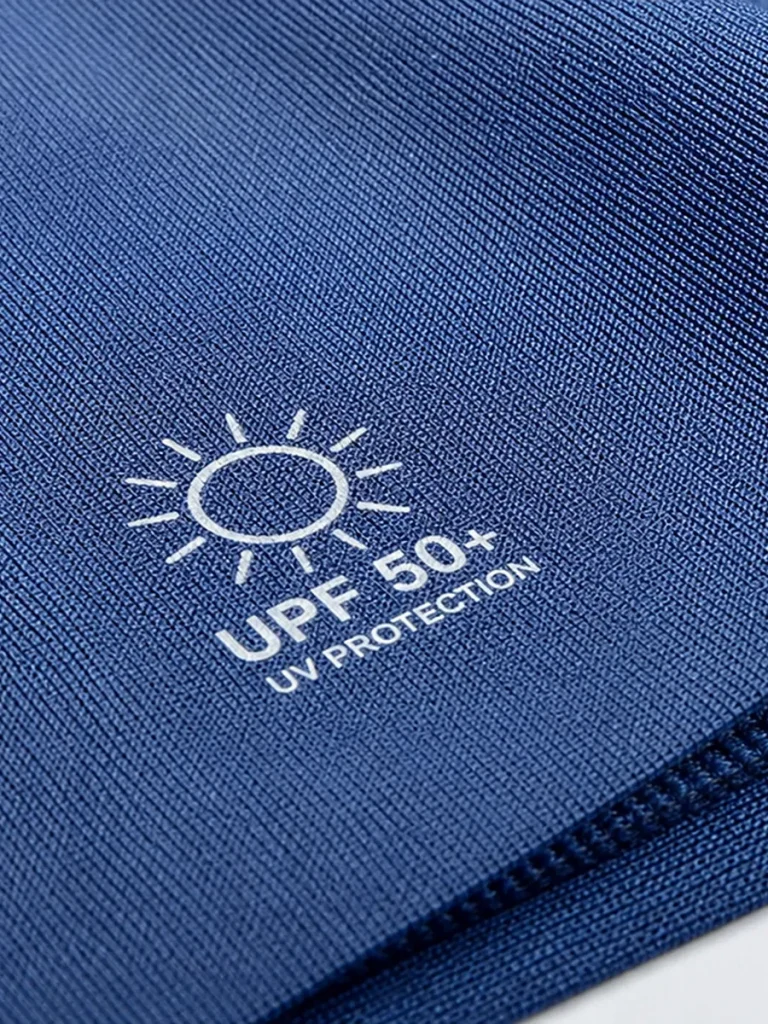
- Advanced swim fabrics: chlorine-resistant, UV-ready, quick-dry, and high-stretch compression options.
- Precision pattern making for fit consistency across tops and bottoms, including custom grading.
- Rapid sampling and low-MOQ pathways for trend-led drops and fast validation.
- Digital and sublimation printing with vibrant, long-lasting color quality.
- Sustainability options: recycled nylon (ECONYL, REPREVE) and responsible production aligned with BSCI and OEKO-TEX.
Launch Your Unique Swimwear Line with Expert Customization
Partner with MLY Apparel to create high-quality, on-trend bikinis tailored to your brand’s identity and market. Experience seamless production, sustainable materials, and advanced fabric technology designed to elevate your swimwear collection.

Accessorizing Your Bikini Sets
Accessorizing bikini sets has become a key trend in women’s swimwear, driven by high demand for practical yet stylish items like cover-ups, beach bags, sun hats, and protective gear. The accessories segment is growing swiftly with a CAGR up to 5.8% through 2030, reflecting consumer interest in both fashion and function.
Fashion-forward shoppers build mix and match bikinis with coordinated accessories that add utility and style. In our experience, the category pairs visual impact with real performance value, which helps brands drive higher basket sizes.
Market Overview and Growth Trends
| Indicator | Data | Insight |
| Global accessories market size | USD 27.21 billion (2024) → USD 35.20 billion (2030) | Expanding headroom for coordinated add-ons to bikinis |
| Accessories segment CAGR | 4.5%–5.8% (2025–2030) | Stable growth supports seasonal and evergreen lines |
| Women’s swimwear share | 46.3% (2024) | Core audience for mix and match bikinis and sets |
| Mass market dominance | Over 80% of sales | Price-accessible bundles drive volume |
| Online channel growth | 7.1% CAGR through 2030 | E-commerce boosts mix-and-match discovery and upsell |
| North America share | 31.7% of women’s swimwear (2024) | Strong demand for coordinated accessories |
Popular Types of Swimwear Accessories
- Cover-ups: add style, pair with mix and match bikinis, and deliver UV-conscious layering.
- Beach bags: roomy designs for sunscreen, towels, and devices for on-the-go convenience.
- Sun hats: wide brims that protect against harmful UV while elevating the look.
- Swim caps: functional options for sport or training that keep hair secure.
- Quick-dry beach towels: fast absorbency and compact packing for active users.
- Tip: curate color-coordinated bundles to match tops and bottoms for easy add-to-cart sets.
In our experience at MLY Apparel, brands win when accessories mirror bikini colorways, prints, and hardware for cohesive sets. Our OEM, ODM, and Private Label programs help you build coordinated capsules that scale from small tests to large drops with confidence.
FAQs
How to match patterns?
In our experience manufacturing custom swimwear, balance is everything when you mix and match bikinis. Pair a statement print with a coordinating solid to keep the look cohesive.
- Balance scale: micro dots with oversized florals.
- Repeat a key color across pieces for harmony.
- Neutrals are anchors: black, white, sand, or navy.
- Stripe or polka-dot tops play well with botanical or abstract bottoms.
- Avoid competing statements like two bold animal prints at once.
If the palette still feels busy, add texture (rib, smock, or crinkle) instead of a second print.
What tops suit cheeky bottoms?
Cheeky bottoms shine when the top balances proportions and support. Choose silhouettes that complement minimal coverage without competing.
- Triangle: light, adjustable, and easy to color-match.
- Bandeau or twist-front: sleek lines that keep focus on the hip curve.
- Underwire or balconette: adds structure for a polished contrast.
- Longline or crop-top styles create a flattering top-to-bottom ratio.
- Heavy ruffles plus cheeky cuts can feel busy; keep one element simple.
For active beach days, a sporty high-neck or fixed bralette keeps everything secure while the bottom does the styling.
Best colors for tan skin?
Warm undertones glow with crisp contrasts and saturated hues. In our experience, these colors photograph beautifully by the water.
- White and ivory for high contrast pop.
- Cobalt, emerald, and magenta for rich saturation.
- Coral, tangerine, and hot pink to boost warmth.
- Metallic gold or bronze adds luminous shine.
- Avoid colors too close to your skin tone, which can wash out.
If you love prints, pick ones with a bright base or clear high-contrast outlines.
Avoid mismatch?
Mismatches usually come from clashing tones, unrelated textures, or competing focal points. A quick checklist keeps your mix intentional.
- Same mood: sporty with sporty, luxe with luxe.
- Hardware harmony: keep metals consistent across pieces.
- One hero rule: choose either the color pop or the bold print.
- Texture trick: swap print-on-print for rib or shimmer with a solid.
- Watch for different fabric sheens that fight under sunlight.
Lay pieces side by side in natural light to confirm color alignment before heading out.
Can you mix fabrics?
Yes, mixing fabrics can look elevated when stretch, handfeel, and finish are compatible. In our experience producing swimwear for global brands, the fit depends on how similar the textiles behave.
- Match stretch and recovery so both pieces move together.
- Keep thickness close to avoid bulky seams or sheerness.
- Align finishes: matte with matte, rib with rib, or a single shimmer accent.
- Do a wet test at home to check opacity and colorfastness.
- Avoid pairing rigid crochet with ultra-slick tricot unless both are lined.
If you are building a capsule wardrobe or a private-label line, choose a core fabric family first, then add texture siblings for effortless mixing.
Conclusion: Personalized Swimwear Made Simple
By leveraging moderate color and pattern coordination and anchoring prints with shared hues, you create intentional sets. Pair stretch textiles with purpose-built coverage to match activity and comfort, and use independent top and bottom sizing to solve asymmetry and fit friction. Add coordinated accessories to unlock more looks and utility. These moves turn a small assortment into a wardrobe of mixable options that photograph well and perform at the beach and pool.
Translate those choices into business wins: higher AOV through modular capsules, fewer returns from better fit, faster refresh cycles with locked blocks and rotating palettes. Use agile MOQs, rapid sampling, and digital sublimation to test, learn, and scale with less inventory risk. A reliable OEM/ODM partner can align fabrics, grading, and trims end to end so your mix-and-match line launches on time and protects margin.