Skip to content

Sustainability is becoming a key factor shaping the future of the swimwear industry. As consumers demand more responsible fashion choices and environmental regulations continue to evolve, brands are looking for new ways to create high-performance products with a lower environmental impact.
The latest sustainable swimwear technologies are transforming how swimsuits are designed, manufactured, and delivered. From recycled nylon fabrics and waterless dyeing systems to eco-friendly printing methods and biodegradable materials, these innovations help brands reduce waste, improve product performance, and build more resilient supply chains.
This guide explores the top sustainable swimwear technologies shaping 2026, helping brands understand the latest innovations in eco-friendly swimwear manufacturing and make smarter decisions when developing their next collection.
What Makes Swimwear Sustainable?
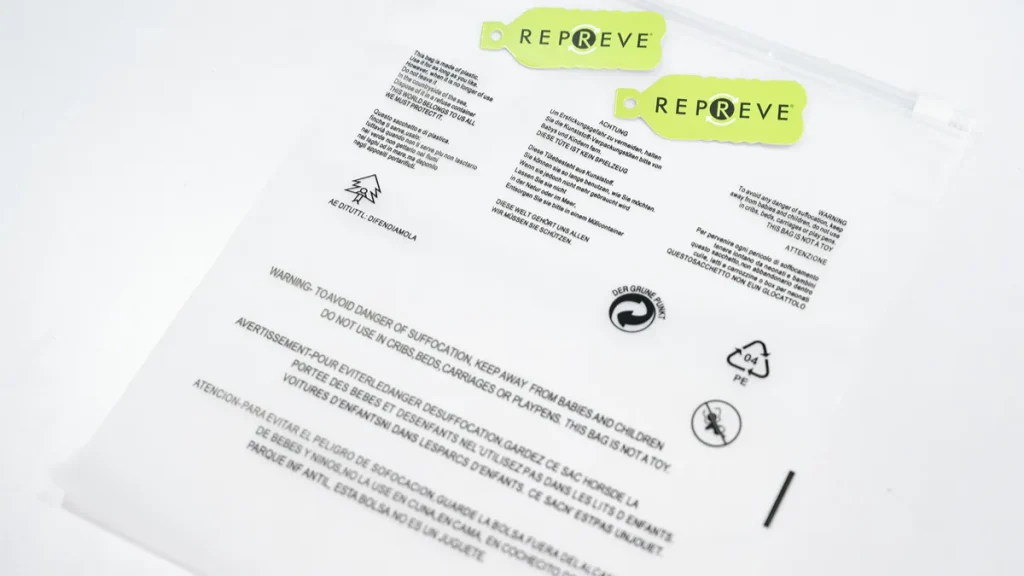
True swimwear sustainability goes beyond recycled fabrics, requiring clean production, ethical labor, and durable designs that survive harsh environments.
Lower-Impact Material Selection
The fiber content drives the bulk of a swimsuit’s environmental footprint. Shifting away from virgin petroleum-derived synthetics is the first requirement for a cleaner product lifecycle.
- Recycled Alternatives: Replaces virgin synthetic fibers with recycled alternatives like ECONYL® (from discarded fishing nets) or recycled polyester (from plastic bottles).
- Deadstock Fabrics: Utilizes deadstock fabric to divert existing unused textiles from landfills and reduce raw material demand.
- Bio-Based Fibers: Incorporates bio-based or biodegradable fibers to lower dependence on fossil-based plastics.
Eco-Friendly Production Methods
Fabric choice alone does not define sustainability. The manufacturing stage controls the water, energy, and chemical load of the final garment.
- Efficient Patterning: Minimizes fabric waste through efficient pattern cutting techniques.
- Clean Processing: Reduces water consumption and chemical runoff by utilizing closed-loop dyeing and digital printing systems.
- Green Facilities: Prioritizes manufacturing facilities powered by renewable energy and equipped with strict wastewater management protocols.
Ethical Labor and Supply Chain Transparency
Environmental impact and human impact are permanently linked. Responsible brands take full accountability for the conditions inside their partner factories.
- Worker Protections: Requires fair wages, safe working environments, and responsible oversight for all factory workers.
- Third-Party Verification: Validates environmental and social claims through third-party certifications like the Global Recycled Standard (GRS), OEKO-TEX, and Fair Trade.
- Supply Chain Visibility: Provides clear visibility into sourcing and manufacturing partners so consumers can verify brand commitments.
Durability and End-of-Life Design
The longest-lasting garment is inherently the most sustainable. Engineering a suit to survive harsh elements while planning for its ultimate disposal closes the loop.
- Performance Longevity: Focuses on long-wear performance traits like shape retention, UV protection, and chlorine resistance to delay garment replacement.
- Disposal Pathways: Plans for eventual garment disposal through dedicated brand take-back programs or confirmed recyclability.
- Low-Impact Packaging: Limits the overall environmental footprint by shipping products in minimal, single-use plastic-free, or compostable packaging.
Recycled Nylon Technologies for Eco Swimwear

Recycled nylon matches virgin synthetic durability while cutting fossil fuel dependence. The industry relies on mechanical recycling, chemical regeneration, and bio-based hybrid blends to advance swimwear sustainability.
| Technology Type | Primary Feedstock | Energy Impact | Performance Profile |
|---|---|---|---|
| Mechanically Recycled (rPA) | Pre-consumer mill scraps | Lower processing energy | Slight degradation, requires blending |
| Chemically Regenerated | Fishing nets, carpet waste | Energy-intensive | Identical to virgin nylon 6 |
| Bio-Based Hybrids | Plant sources (castor oil) + rPA | Low cradle-to-gate emissions | Early development |
Mechanically Recycled Nylon (rPA)
Mechanical recycling offers a straightforward way to divert industrial waste from landfills. Facilities collect nylon-rich scraps, melt them down, and spin them into new filament yarns. This approach skips heavy chemical processing, keeping total energy consumption relatively low.
- Source Material: Sourced primarily from pre-consumer industrial waste, such as fiber offcuts and textile mill production scraps.
- Process Flow: Involves a direct process of cleaning, shredding, melting, and re-extruding, which typically requires less energy than chemical recycling.
- Material Limits: Prone to slight quality degradation over repeated cycles, often requiring blends with elastane or virgin nylon to maintain optimal stretch and strength.
Chemically Regenerated Nylon
Chemical regeneration solves the quality degradation issue found in mechanical recycling. By breaking the polymer down to its base monomers, manufacturers rebuild the nylon chain from scratch. The result performs exactly like conventional petroleum-based nylon, making it the standard for high-end activewear and swimwear.
- Complex Feedstocks: Utilizes post-consumer waste streams, notably abandoned fishing nets, aquaculture gear, and discarded carpets.
- Depolymerization: Employs a chemical process to break down waste into base monomers, then re-polymerizes them to create yarn identical to virgin nylon 6.
- High Performance: Delivers high-performance stretch, abrasion resistance, and chlorine durability suitable for premium and competitive swimwear.
- Impact Trade-offs: Significantly reduces fossil feedstock extraction, though the regeneration process itself remains energy-intensive.
Emerging Bio-Based and Hybrid Blends
The industry continues pushing beyond pure petroleum waste by testing hybrid materials. Material scientists now blend recycled nylon with monomers grown from agricultural crops. While still scaling, this technology represents the next phase in decoupling technical fabrics from fossil fuel extraction.
- Hybridization: Experiments with hybrid yarns that combine standard recycled nylon with bio-based monomers derived from plant sources like castor oil.
- Decoupling Strategy: Designed to partially decouple synthetic fabric manufacturing from petrochemical reliance.
- Current Viability: Currently in early development for mainstream swimwear, showing potential for further reducing cradle-to-gate carbon emissions.
Premium Custom Bikinis for Your Brand

Waterless & Low-Impact Dyeing Technologies
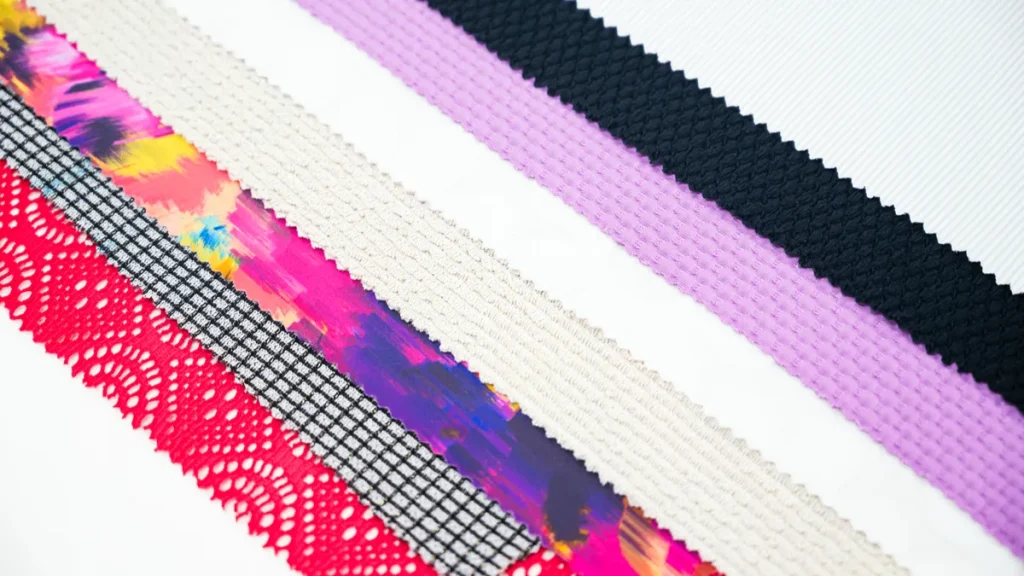
Shifting to waterless and low-impact dyeing technologies eliminates traditional wet processing, delivering high-performance colorfastness for swimwear while cutting emissions and chemical waste.
Supercritical CO₂ (scCO₂) Dyeing
The textile dyeing phase consumes massive volumes of fresh water and energy. We can bypass this bottleneck entirely using supercritical CO₂ (scCO₂) dyeing systems that apply color in a dry environment.
- Water Elimination: Pressurized carbon dioxide replaces traditional process water entirely.
- Closed-Loop System: Facilities capture and recycle up to 95% of the CO₂ for subsequent dye batches.
- Emission Reductions: The process eliminates the energy-intensive fabric drying phase, cutting overall emissions by approximately 40%.
- Material Compatibility: The dye penetrates hydrophobic fibers deeply, making it an excellent match for recycled polyester (rPET) swimwear.
Because the fabric emerges from the machine completely dry, supply chains accelerate downstream cut-and-sew operations without waiting for heavy moisture evaporation.
Solution and Dope Dyeing
When producing staple swimwear lines that do not change from season to season, relying on reactive wet dye baths wastes resources. Solution and dope dyeing solve this by adding color directly at the polymer stage.
- Pigment Integration: Mills integrate color pigment directly into the polymer melt prior to synthetic fiber extrusion.
- Resource Efficiency: Bypassing traditional wet dye baths drastically reduces water, energy, and auxiliary chemical consumption.
- High Durability: The process yields outstanding colorfastness against chlorine, UV exposure, and salt water because the pigment remains embedded within the filament.
- Core Applicability: This method suits continuous production of core, perennial swimwear colors like black and navy.
Since you cannot easily change colors once the polymer extrudes, this approach demands upfront inventory planning but pays off immediately in performance and process efficiency.
Air-Based and Digital Textile Printing
Fast design turnover requires agility that traditional rotary screens simply cannot provide. Air-based systems and digital textile printing step in to handle complex patterns efficiently while dropping water usage.
- Precision Application: Equipment relies on air as the carrying medium or applies color precisely via inkjet technology.
- Water Savings: These processes reduce water consumption by up to 95% compared to conventional rotary or screen printing methods.
- Waste Reduction: Printers decrease chemical waste by placing disperse or acid inks exclusively on designated design areas.
- Production Agility: The technology facilitates short-run, on-demand production for complex graphics and seasonal swimwear prints.
Moving to digital printing allows brands to test new patterns in small batches, directly preventing deadstock buildup and reducing financial risk on unproven designs.
Solvent-Based and Microbial Innovations
Beyond commercialized digital and CO₂ methods, material scientists are testing entirely new mediums for color application to permanently remove toxic wastewater from the supply chain.
- Solvent Substitution: Solvent systems substitute water with closed-loop organic solvents, cutting chemical use by up to 90%.
- Bio-Fabrication: Emerging facilities utilize bacteria or fungi to produce natural pigments at low or room temperatures.
- Niche Implementation: Adapting these methods for high-stretch synthetics currently targets pilot capsules and experimental brand ranges.
While bio-fabricated and solvent methods require strict testing to meet swimwear chlorine-resistance standards, they represent the next generation of solutions for decoupling textile coloration from local fresh water supplies.
Eco-Friendly Printing and Finishing Techniques

Eco-friendly printing and finishing replace chemical-heavy processes with digital precision, waterless dyeing, and non-toxic treatments to cut waste while maintaining swimwear performance.
Sustainable Printing Innovations
Swimwear requires vibrant, durable patterns, but traditional wet printing wastes massive amounts of water and ink. Modern manufacturing facilities bypass these inefficient legacy systems by adopting precision application methods that drastically cut resource use.
- Digital printing: Minimizes water and chemical consumption by applying ink exclusively where needed, eliminating screen-washing waste.
- Eco-friendly screen printing: Adopts water-based or plant-based inks alongside energy-efficient LED curing to reduce volatile organic compounds (VOCs).
- Heat transfer: Utilizes PVC-free and phthalate-free materials for lower-impact, skin-safe graphic applications.
Low-Impact Dyeing Methods
Textile coloration historically acts as the most resource-heavy phase of production. To process synthetic swimwear fabrics responsibly, mills now deploy advanced dyeing infrastructure that slashes water usage from hundreds of liters per kilogram down to a fraction of that volume.
- Solution dyeing: Integrates color directly into the polymer melt during extrusion, drastically reducing post-spinning water and chemical requirements.
- Low-liquor-ratio machines: Process fabric batches using a strict minimum of water, increasing dye uptake efficiency and lowering thermal energy needs.
- Closed-loop systems: Capture, treat, and reuse dye bath water internally to entirely prevent harmful effluent runoff into local ecosystems.
Non-Toxic and Mechanical Finishing
Swim fabrics demand specific technical properties like stretch recovery and water repellency to function properly. Suppliers move away from toxic surface coatings by engineering these characteristics directly into the material or relying on safer physical treatments.
- Embedded performance: Traits like wicking or compression are increasingly engineered at the fiber level to avoid heavy, resource-intensive topical coatings.
- Fluorine-free DWR: Durable Water Repellent treatments replace persistent PFAS chemicals with safer silicone or bio-based alternatives.
- Mechanical finishing: Techniques such as calendering, compacting, or brushing improve the fabric’s hand feel while entirely bypassing chemical additives.
Verifying Eco-Friendly Practices
Greenwashing remains a persistent risk in textile manufacturing. Credible brands and suppliers back up their clean processing claims by submitting to strict third-party audits and maintaining rigid internal chemical controls.
- OEKO-TEX Standard 100: Ensures that all printed fabrics, applied inks, and performance finishes remain entirely free of hazardous substances.
- Global Recycled Standard (GRS): Validates the exact percentage of recycled content while enforcing strict environmental and social criteria across all processing stages.
- Internal facility controls: Manufacturers utilize strict Restricted Substance Lists (RSLs) alongside rigorous, ongoing wastewater testing to manage chemical application safely.
Biodegradable Elastics and Next-Gen Materials
The industry is shifting from persistent fossil-based elastomers to biodegradable alternatives and bio-based fibers, balancing aquatic durability with responsible end-of-life degradation to tackle microfiber pollution.
Types of Biodegradable Elastics for Swimwear
Manufacturers are replacing conventional spandex with materials designed to degrade after their useful life. The challenge lies in surviving harsh aquatic environments without persisting in landfills indefinitely.
- Natural rubber elastics: Derived from renewable latex, these provide high stretch and chlorine resistance. Chemists must formulate them carefully to ensure they resist pool chemicals but still break down naturally at the end of their lifecycle.
- Modified biodegradable elastane: Engineered stretch yarns perform identically to traditional spandex in the water. They trigger accelerated degradation only when exposed to specific anaerobic landfill or industrial compost conditions.
- Biodegradable tapes and trims: Essential for waistbands and bra straps, these components maintain high tension under wet conditions without adding bulk to garment seams.
Plant-Based Polyamides and Cellulosic Fibers
Synthetics are evolving to rely less on petroleum extraction. Mills now produce high-performance knits using plant-derived feedstocks to lower the total synthetic footprint of the garment.
- Castor bean-based polyamides: These bio-based nylons deliver the durability and chemical resistance required for active swimwear while replacing fossil fuel reliance.
- Cellulosic blends: Yarns like TENCEL Lyocell and SeaCell integrate regenerated wood cellulose and seaweed directly into the fabric matrix.
Replacing plastics with wood or seaweed comes with structural trade-offs. Cellulosic fabrics naturally absorb more water, leading to slower drying times. Textile engineers counteract this behavior by deploying ultra-fine denier fibers and specialized knit structures that manage moisture and shed water faster.
Natural Fiber Integration for Low-Impact Swimwear
Brands targeting the resort wear and cold-water markets use entirely natural fiber profiles. Merino wool, hemp, and organic cotton serve as highly functional alternatives for low-impact water activities.
These natural yarns completely eliminate the risk of microplastic shedding. They also bring inherent performance traits to the garment, offering natural breathability and strong odor resistance without relying on chemical finishes.
Because these fibers lack the aggressive stretch of elastane, patternmakers must adjust their construction approach. Manufacturers compensate by using strategic, bias-cut patterning and pairing these woven or knitted fabrics with natural rubber waistbands to achieve a secure fit.
Performance and End-of-Life Considerations
Replacing conventional synthetics creates an immediate tension between product longevity and post-consumer disposal. Swimwear must withstand intense UV exposure, saltwater degradation, and continuous stretching without falling apart on the wearer.
To prove these materials actually disappear at the end of their lifecycle, brands rely on rigid verification protocols.
- Third-party testing: Facilities use ASTM or ISO standards to confirm materials achieve true biodegradability rather than just fragmenting into harmful microplastics.
- Hybrid strategies: Designers frequently blend bio-based main fabrics with a minimal percentage of virgin or recycled synthetics. This approach preserves garment shape retention while drastically reducing the total volume of persistent plastics heading to the landfill.
Sustainability Certifications for Swimwear Brands
Third-party certifications separate verifiable impact from greenwashing. They provide the framework for authenticating recycled materials, safe chemistry, ethical labor, and circular packaging.
Material and Recycling Certifications
Buyers demand hard proof when suppliers claim to use ocean plastics or recycled bottles. Material certifications trace these raw inputs back to their original source.
- Global Recycled Standard (GRS): Verifies recycled content for materials like rPET and regenerated nylon while tracking the supply chain custody.
- Recycled Claim Standard (RCS): Provides a baseline for validating recycled material presence, ideal for brands transitioning to sustainable fibers.
- Global Organic Textile Standard (GOTS): Regulates organic fibers, typically applying to organic cotton cover-ups, towels, and beachwear accessories rather than synthetic swimwear.
GRS acts as the primary requirement for authenticating recycled nylon and polyester yarns in modern performance swimwear.
Chemical Safety and Non-Toxicity Standards
Swimwear sits against bare skin in harsh environments like extreme heat, chlorine, and saltwater. Chemical stability prevents toxic leaching under these extreme conditions.
- OEKO-TEX® STANDARD 100: Tests finished swimwear components, including fabrics, elastics, and dyes, to ensure they contain no harmful chemical residues.
- bluesign®: Monitors mill-level production by strictly controlling hazardous dyes, solvents, and heavy metals to ensure resource-efficient manufacturing.
- EU REACH and PFAS-Free Commitments: Compliance ensures quick-dry and water-repellent finishes avoid the use of persistent ‘forever chemicals’.
Combining OEKO-TEX testing for the final product and bluesign monitoring for the textile mill guarantees safety for both the wearer and the surrounding watershed.
Social Compliance and Holistic Sustainability
Environmental metrics solve only half the equation. Ethical production frameworks verify the human element behind the manufacturing process.
- B Corp Certification: Evaluates a brand’s complete environmental and social performance, from eco-design practices to community impact.
- Fairtrade Textile Standards: Ensure strong worker protections, safer manufacturing conditions, and documented living wage roadmaps.
- Social Audit Frameworks: Audits such as SA8000, WRAP, and SMETA verify ethical labor practices, fair wages, and safe conditions at the factory level.
Factory-level audits give B2B buyers confidence that their complex swimwear assembly relies entirely on safe, fairly compensated labor.
Eco-Packaging and Compostability Labels
The final touchpoint in the supply chain requires its own validation to complete a circular product lifecycle.
- TÜV OK Compost: Standards validate that protective garment sleeves and mailer bags break down fully in home or industrial setups without leaving toxic residues.
- Forest Stewardship Council (FSC®): Certification ensures that paper hangtags, shipping boxes, and printed materials originate from responsibly managed forests.
- Recycled Content Claims: Third-party verified recycled content claims for packaging support circular distribution systems and reduce reliance on virgin plastics.
Switching to certified packaging creates a cohesive sustainability narrative from the raw material supplier to the final delivery.
How Sustainable Technologies Reduce Cost in the Long Term
Investing in sustainable swimwear technologies shifts operations from high-waste models to efficient, circular systems. This protects margins against volatile material markets and looming regulatory penalties.
Material Innovations and Supply Price Stability
Standard petroleum-based nylon ties your supply chain directly to the volatile crude oil market. Upgrading your raw materials decouples your production costs from these unpredictable price spikes and prepares your brand for tightening environmental legislation.
- Regenerated nylon (ECONYL): Diversifies your supply away from crude oil, dampening price shocks and stabilizing long-term purchasing contracts.
- Recycled PET: Utilizes post-consumer waste to offset municipal disposal costs, often allowing brands to capture specific sustainability subsidies.
- Biodegradable additives (CiCLO): Pre-empts upcoming microplastic regulations to shield your business from future non-compliance levies and plastic taxes.
Advanced Production and Waste Reduction
Traditional cut-and-sew manufacturing wastes significant yardage around pattern pieces, especially with generous stretch fabric markers. Modern production technologies eliminate this inefficiency at the source while dropping the frequency of product failures.
- 3D knitting: Eliminates fabric offcuts through zero-waste design, sharply lowering your raw material spend per manufactured unit.
- Automated pattern processing: Cuts labor hours and minimizes costly manufacturing errors during complex cutting and sewing operations.
- Functional coatings: Treatments like Lomoral Space Tech improve fabric durability to directly reduce warranty claims and early replacements.
Strategic Design for Product Longevity
Fast fashion micro-trends create a heavy financial burden through deadstock and constant redevelopment. Designing for longevity and versatility protects your inventory value and maximizes the return on your initial development investments.
- Timeless silhouettes: Amortize expensive pattern and grading costs across multiple seasons and larger production volumes.
- Trend reduction: Drops the risk of obsolete inventory, avoiding heavy overstock write-offs and aggressive end-of-season markdowns.
- Multifunctional design: Adjustable fits resolve common sizing issues, eliminating the expensive reverse logistics tied to high return rates.
Circular Business Models and Extended Lifecycles
The traditional linear sales model forces brands to rely entirely on new customer acquisition and virgin material purchases. Circular frameworks convert end-of-life expenses into ongoing, predictable revenue streams.
- Take-back programs: Generate a predictable, lower-cost internal feedstock to supply future recycled collections.
- Resale and rental models: Extend the revenue-generating cycle of a single manufactured unit far beyond the initial point of sale.
- After-care education: Boosts perceived product value and curbs early degradation complaints by teaching consumers proper garment maintenance.
Resource Efficiency and Ethical Operations
Resource-heavy wet processing drains profits through high utility bills and municipal penalties. Upgrading facility operations directly protects your bottom line while mitigating serious operational risks.
- Optimized dyeing processes: Slashes water consumption, energy needed for heating, and heavy municipal wastewater treatment fees.
- Cleaner chemistry: Drops expenses tied to hazardous waste handling and prevents costly emergency regulatory audits.
- Fair labor practices: Minimizes workforce turnover to keep production quality consistent and avoid expensive operational disruptions.
Frequently Asked Questions
Are recycled fabrics durable?
High-quality recycled fabrics like ECONYL and REPREVE match or exceed the durability of virgin synthetics. When paired with quality elastane and proper finishing, they deliver comparable mechanical strength, shape retention, and resistance to chlorine, UV, and salt water.
Is solution dyeing worth it?
Solution dyeing makes sense for core, repeatable colors in sustainable swimwear. Adding pigment to the polymer before fiber extrusion drastically cuts water consumption and chemical pollution while delivering superior colorfastness against chlorine and sun exposure. It makes less sense for small, rapidly changing fashion collections due to higher minimum order requirements.
What is the greenest printing method?
Digital and sublimation printing on recycled synthetics stand out as the most sustainable options today. These methods rely on precision ink placement to drastically cut water and chemical use. Pairing them with non-toxic, OEKO-TEX certified inks and on-demand production models minimizes material waste and environmental pollution.
What certifications matter in sustainable swimwear?
Look for OEKO-TEX Standard 100 for chemical safety and the Global Recycled Standard (GRS) to authenticate recycled content claims. A bluesign verification ensures clean chemical management during manufacturing. To confirm ethical labor practices and safe working conditions across the supply chain, rely on SMETA audits.
How do I reduce microplastic shedding?
Minimizing microplastic release starts with choosing tight-knit, durable fabrics. Reduce shedding during use by rinsing suits after swimming and avoiding abrasive surfaces. When laundering, wash infrequently in cold water on a delicate cycle, use a microfiber-capture wash bag, and air-dry in the shade instead of using a dryer.