Skip to content

Starting a custom swimwear manufacturing business today is more exciting than ever. With the rise of boutique designers, social media–driven micro-brands, and the increasing demand for unique, personalised swimwear, manufacturers who can deliver quality, flexibility, and creativity are in high demand. Whether you want to supply new designers searching for how to start a swimwear line or established retailers needing reliable production support, this guide walks you through the essential steps to build a strong, competitive, and forward-thinking swimwear manufacturing business.
1. Understand the Full Swimwear Manufacturing Workflow
How the Production Pipeline Works
- Swimwear manufacturing involves multiple phases—from sketches to bulk production—and brands expect you to guide them clearly through each stage. They want transparency and expertise, especially new entrepreneurs who don’t fully understand fabric behavior, stitching techniques, or pattern-making differences.
- You need a system that ensures every customised swimming costume maintains consistent size, fit, and quality across batches. This includes tracking materials, managing sampling iterations, and documenting technical changes.
- Brands often compare manufacturers, including bathing suit manufacturers USA, suppliers in Asia, and boutique vendors. Your clarity and reliability in the workflow can become your competitive edge.
Why Pattern Making & Fit Are Crucial
- Swimwear relies heavily on stretch fabrics, so patterns must be extremely precise to avoid sagging, rolling edges, or uncomfortable compression.
- Proper grading ensures each size fits correctly, especially for diverse markets and body types.
- A strong pattern team reduces sample revisions, speeds up approval, and increases customer trust.
Sampling and Prototyping Expectations
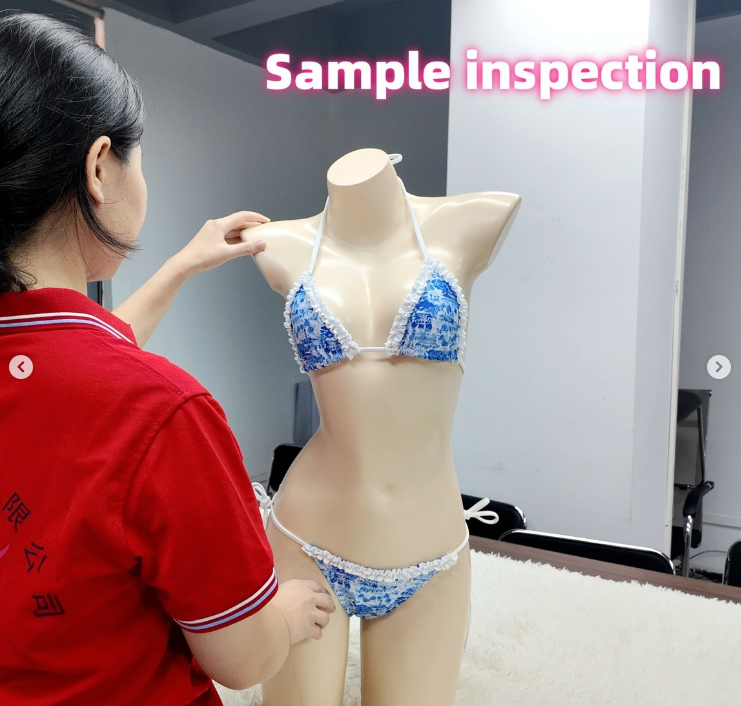
- Brands expect 1–3 rounds of samples before approving bulk production, so you need an efficient sampling process.
- Offer fit model testing or assist brands in conducting their own to ensure comfort, coverage, and function.
- Keep detailed sample notes—stitch length, fabric density, elastic width—so the final production stays consistent.
2. Build a Strong Material & Fabric Foundation
Essential Fabrics for Swimwear
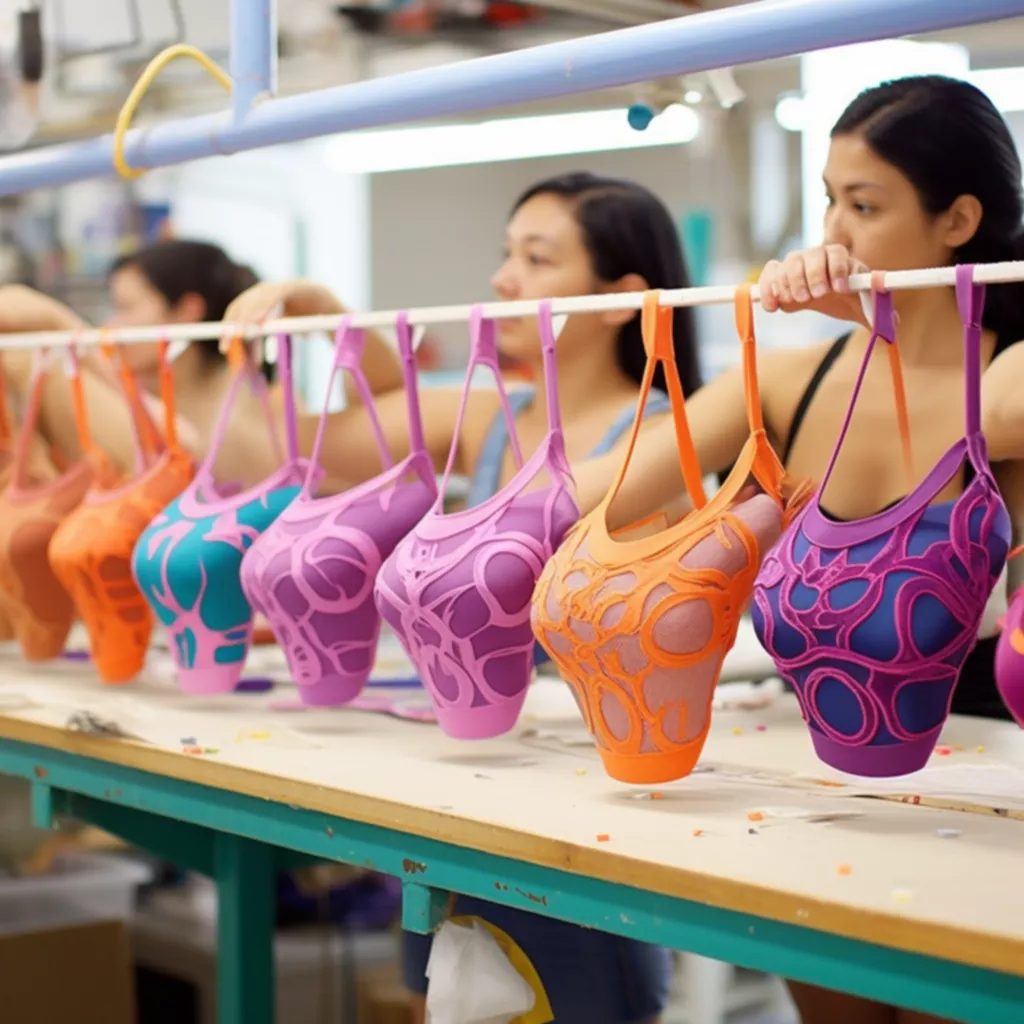
- Nylon-spandex and polyester blends dominate swimwear due to durability, stretch, and recovery. Offer multiple densities and finishes so brands can create different styles—from performance swimwear to fashion bikinis.
- Provide eco-friendly variations like recycled nylon, which is rapidly increasing in demand and can help attract sustainable swimwear brands.
- Maintain partnerships with fabric mills to ensure stable quality and reliable restocking.
Lining, Support & Functional Materials
- Power mesh, soft lining, and specialized shaping materials can dramatically improve the feel and fit of a customised swimming costume.
- Offer molded cups, underwires, bra pads, and silicon elastic grippers for brands needing enhanced structure or support.
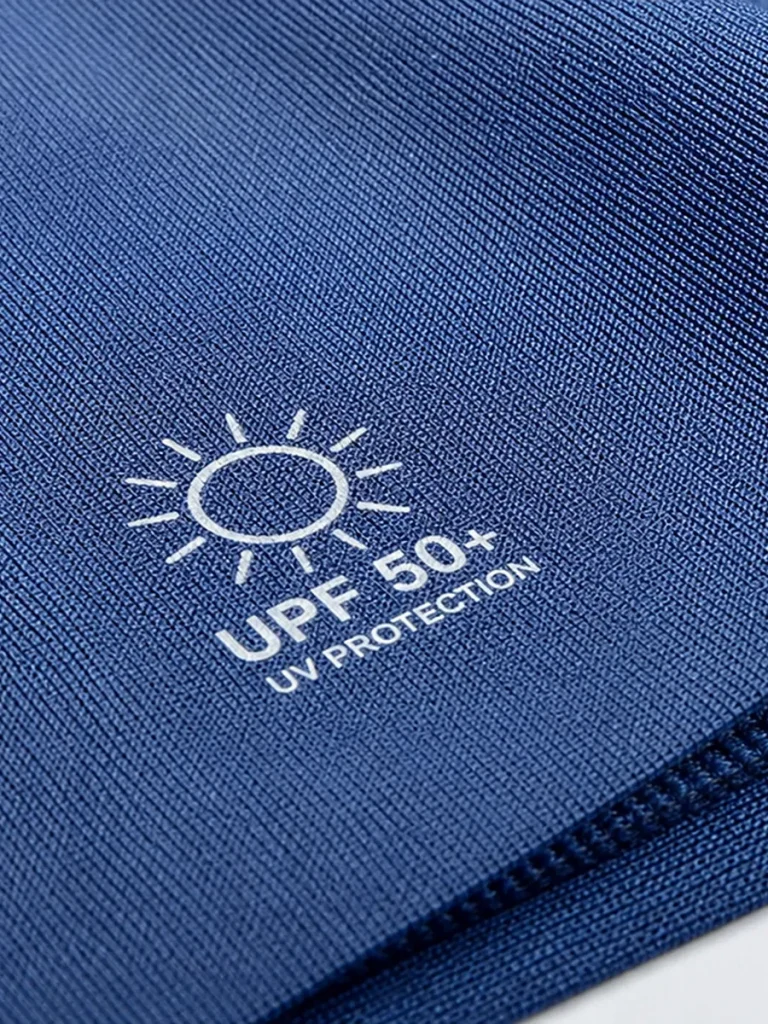
- Provide options for UV protection, compression support, and chlorine resistance for customers targeting sports, pool, or surf swimwear.
Prints, Dyes & Fabric Finishes
- Many swimwear brands want signature prints—so offer heat-sublimation printing, digital printing, or screen printing depending on fabric type.
- Ensure dyes are fade-resistant against saltwater, sunscreen, and chlorine exposure.
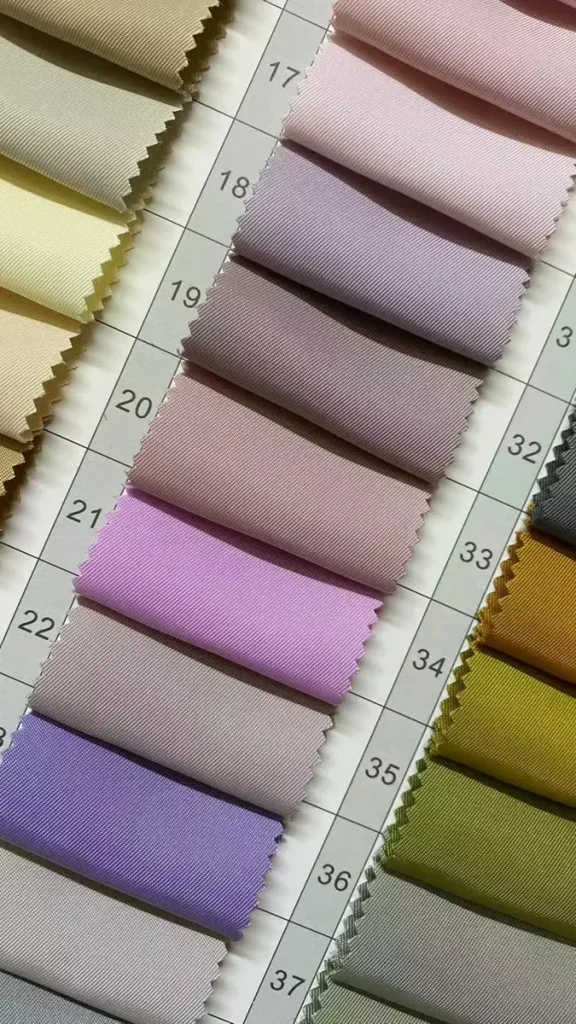
- Keep a library of colors and print templates to help brands visualize collections faster.
3. Develop Strong Communication & Collaboration Systems
Guiding New Brands (Especially Those Asking How to Start a Swimwear Line)
- Many new designers rely on manufacturers for direction—including fabric recommendations, stitching types, and production planning. Offer clear guidance or starter packages to help them succeed.
- Provide tech pack support or basic templates; many startups don’t know how to create them properly.
- Offer consultations about pricing, sales strategies, or common mistakes so customers see you as a long-term partner, not just a factory.
Clear Feedback & Response Procedures
- Use structured communication: sample approval forms, production schedules, photo updates, and QC reports. This reassures clients and reduces misunderstandings.
- Respond fast. Slow replies are a top reason brands switch manufacturers or leave bathing suit vendors behind.
- Provide visual documentation—videos or pictures of production—so clients feel engaged and confident.
Flexible MOQs to Attract Small Brands
- Lower minimums help attract beginners who are still testing the market.
- Offer tiered MOQs (e.g., low MOQs for basic styles, higher for printed or complex designs).
- This flexibility also increases your customer pool and brand loyalty.
4. Strengthen Your Supply Chain, Pricing & Vendor Network
Building a Reliable Vendor List
- Work with trusted bathing suit vendors who supply elastic, clasps, lining, cups, hooks, and trims. Having multiple sources reduces delays and helps brands customize their collections.
- Create relationships with fabric mills and printing houses so you can provide consistent quality and faster lead times.
- Maintain stock of essential materials to improve turnaround time and attract fast-moving brands.
Costing & Pricing Structure
- Understand how labor, materials, complexity, printing, and packaging impact final costs. Share this with clients so they understand how pricing works.
- Offer transparent quotes with breakdowns—this builds trust and reduces disputes.
- Provide premium upgrades (eco fabrics, special trims, branded packaging) for brands that want elevated lines.
Production Scalability
- Build a system that lets you handle both small custom batches and large production runs without sacrificing quality.
- Organize your cutting, stitching, and QC teams to adapt to volume changes smoothly.
- Prepare your facility for seasonal spikes, especially before summer launches.
Launch Your Custom Swimwear Line with Confidence
Partner with MLY Apparel to bring your swimwear vision to life using premium fabrics, precise fits, and sustainable production. Fast-track your brand’s growth with tailored solutions designed for every style and market.

5. Position Yourself as a High-Value Swimwear Manufacturing Partner
Provide Customization Services That Brands Love
- Offer design adjustments, print customization, and personalized label/packaging options so each customised swimming costume feels unique to the brand.
- Provide fast prototyping to help new designers move quickly from idea to market.
- Specialize in trendy silhouettes and technical swim styles so brands see you as an innovation partner.
Highlight Your Expertise & Build Trust
- Share case studies, fabric guides, and tutorials on how to start a swimwear line. This helps build authority and attract new designer clients.
- Compare your advantages to other regions such as bathing suit manufacturers USA or EU factories—highlight your lead times, pricing, craftsmanship, or custom options.
- Maintain strict QC standards and showcase them so brands feel confident in long-term collaboration.
Offer Additional Services
- Branding support, lookbook creation, tag design, and packaging help brands see you as a full-service solution.
- Provide shipping coordination or logistics support to ease the workload for small brands.
- Offer reordering systems so brands can restock fast-selling swimwear without delays.
Conclusion
Starting a custom swimwear manufacturing business isn’t just about sewing fabric—it’s about understanding branding, fashion trends, material science, production efficiency, and communication. By mastering each part of the process, offering flexible solutions, and supporting brands that are learning how to start a swimwear line, you position yourself as a high-value long-term partner. Whether your customers are comparing global factories or exploring bathing suit manufacturers USA, your ability to provide quality, customization, and expert guidance will set you apart in the industry.
If you’re a brand searching for a trusted partner to bring your swimwear vision to life, MLY Apparel is here to help.
We specialize in custom swimwear development, private label production, and full-package manufacturing support—from design to delivery.
👉 Explore our capabilities & get a quote today: https://mlyapparel.com/
FAQ: Swimwear Manufacturing & Starting a Swimwear Line
1. How much does it cost to start a swimwear brand?
Costs vary widely, but small brands typically start with:
- $1,000–$3,000 for small batches
- More for custom prints, complex styles, or premium fabrics
The more styles and colors, the higher the budget needed.
2. What fabrics are best for swimwear?
Nylon-spandex blends, polyester blends, and recycled nylon are the industry standards. Look for UV protection, chlorine resistance, and strong elasticity.
3. How long does production take?
Most manufacturers need:
- 7–14 days for sampling
- 20–45 days for bulk production
Complex prints or large orders may take longer.
4. Can I make customised swimming costume designs?
Yes! Manufacturers usually allow:
- Custom prints
- Custom colors
- Custom trims and accessories
- Personalized labels and packaging
5. What is the difference between offshore suppliers and bathing suit manufacturers USA?
- USA manufacturers offer faster local logistics and easier communication but higher costs.
- Overseas suppliers often offer lower MOQs, better pricing, and more customization options.
Your choice depends on your brand’s budget and goals.