Перейти к содержимому

В индустрии купальников, Скорость разработки продукта напрямую влияет на то, насколько быстро бренд может реагировать на тенденции рынка., запускать новые коллекции, и снизить риски, связанные с запасами. Однако, одной скорости недостаточно. Каждый купальник должен иметь правильный баланс посадки., комфорт, потягиваться, поддерживать, и внешний вид перед поступлением в производство.
Именно здесь современные технологии прототипирования купальников играют решающую роль.. От программного обеспечения для цифрового 3D-моделирования до современных инструментов для подгонки и оборудования для разработки физических образцов., производители сегодня могут создавать более точные прототипы, сокращая при этом циклы разработки и ненужные затраты..
В этом руководстве рассматриваются технологии, преобразующие прототипирование купальников, и объясняется, как бренды могут использовать их для более быстрого запуска новых продуктов и повышения их качества..
Что такое технология прототипирования купальников?
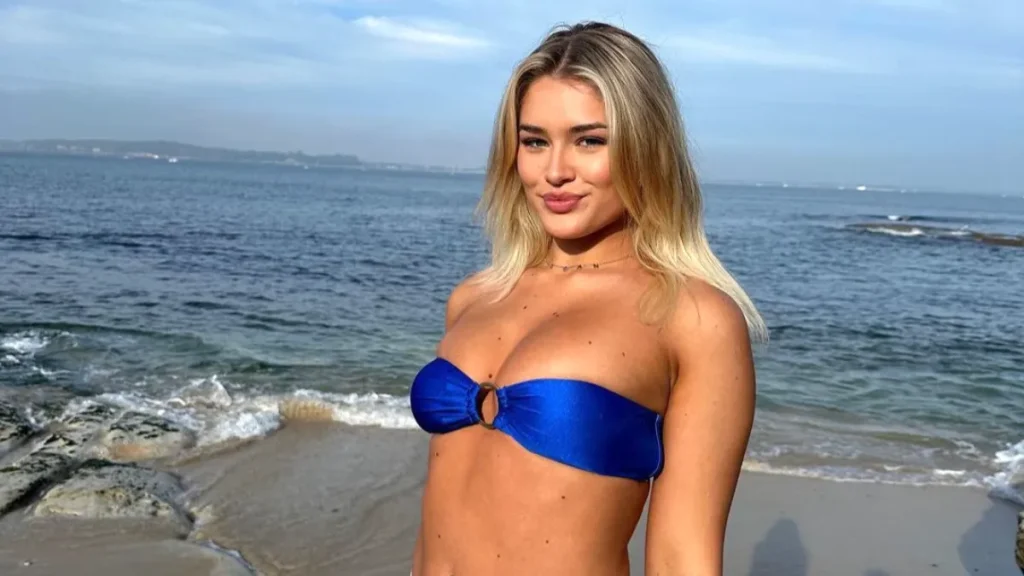
Технология прототипирования купальников представляет собой комбинацию цифровых инструментов., специализированное оборудование, и методы тестирования, используемые для превращения концепции купального костюма в готовый к производству продукт.. Это помогает дизайнерам, создатели моделей, и производители оценивают внешний вид купальника, соответствовать, комфорт, растянуть производительность, и качество конструкции до начала массового производства.
Прототип может представлять собой либо цифровую симуляцию, либо физический образец.. В процессе разработки, прототипы позволяют брендам проверять критические факторы, такие как:
- Общая эстетика дизайна
- Посадка одежды и покрытие тела
- Растяжение и восстановление ткани
- Конструкция шва и долговечность
- Поддержка и формирование производительности
- Технологичность производства и экономическая эффективность
В прошлом, Разработка купальников в значительной степени зависела от ручного составления выкроек и нескольких раундов физического отбора проб.. Хотя этот подход может дать надежные результаты, часто это требовало значительного времени, расход материала, и неоднократные изменения, прежде чем стиль был одобрен для производства..
Сегодня, современная технология прототипирования позволяет производителям выявлять потенциальные проблемы гораздо раньше в цикле разработки.. Через цифровое создание лекал, 3Д-визуализация, виртуальная примерка, и передовые процессы разработки образцов, бренды могут быстрее принимать решения и сокращать дорогостоящие ошибки проектирования..
| Традиционное развитие | Современные технологии прототипирования |
|---|---|
| Несколько раундов физических проб | Цифровая визуализация перед отбором проб |
| Ручная корректировка шаблонов | Оптимизация шаблонов с помощью САПР |
| Длительные процессы примерки | Виртуальная симуляция посадки |
| Больше отходов материала | Сниженный расход ткани. |
| Более медленные коммуникационные циклы | Сотрудничество и одобрение в режиме реального времени |
В МЛИ Одежда, Прототипирование купальников сочетает в себе разработку цифровых моделей, быстрое изготовление образцов, и оптимизировать оптимизацию для оптимизации разработки продукта. Время выполнения образцов так же быстро, как 3–7 дней, бренды могут быстро оценить дизайн, уточнить детали посадки, и выявлять потенциальные проблемы перед массовым производством. Этот эффективный процесс помогает сократить количество изменений., повысить точность продукта, и ускорить выход на рынок.
Инструменты цифрового 3D-прототипирования для разработки купальников

3Инструменты прототипирования D заменяют физическую выборку физическим моделированием., позволяя брендам купальников идеально подходит, сжатие, и спроектируйте в цифровом формате перед раскроем любой ткани.
Ведущие программные 3D-платформы
Программное обеспечение для одежды делится на две основные категории: купальники. Платформы инженерного уровня, такие как Style3D, ориентированы на физику материалов.. Они отображают давление и имитируют сжатие., что делает их стандартом спортивных и конкурентоспособных купальных костюмов.. С другой стороны, такие инструменты, как CLO 3D и Browzwear VStitcher, обеспечивают реалистичную визуализацию.. Эти платформы упрощают быстрое изменение стиля и дизайн, ориентированный на моду..
Цели вашего бизнеса определяют выбор программного обеспечения. Вы должны сопоставить необходимость гидродинамической точности с визуальным реализмом и быстрой обработкой проекта..
Основные функциональные возможности
Основная сила этих платформ заключается в их способности имитировать физическую реальность.. Технические команды полагаются на три конкретные возможности при разработке купальных костюмов.:
- Аватары высокой плотности: Они отражают специфическую геометрию тела., включительно размерные партии, и динамичные позы для плавания, такие как прыжки в воду или разгибания гребков..
- Оцифровка эмпирического материала: Лаборатории тестируют физические ткани и импортируют данные для определения точного растяжения., восстановление, масса, и сжимающее поведение.
- Диагностические инструменты: Системы применяют карты давления и визуализацию деформации, чтобы выявить морщины., зияющий, или сильное напряжение, прежде чем кто-нибудь разрежет физическую ткань.
Интеграция 3D в рабочий процесс разработки
Процесс разработки начинается с импорта 2D-выкроек в цифровую среду и применения проверенной физики ткани для создания виртуальной одежды.. Как только костюм окажется на аватарке, команды технических дизайнеров анализируют динамическую симуляцию ткани. Они регулируют расположение швов., изменить отрицательную легкость, и мгновенно устраняйте проблемы с покрытием.
После того, как команда утвердит виртуальную модель, программное обеспечение экспортирует данные непосредственно на завод. Этот экспорт включает готовые к производству 2D-шаблоны., полные спецификации материалов, и визуальный руководства по производству которые предотвращают ошибки сборки.
Быстро запустите свою линию купальников на заказ

Инструменты и оборудование для физического прототипирования
Физическое прототипирование превращает цифровые концепции в осязаемые купальники, проверка растяжения, поддерживать, и производительность воды до начала массового производства.
Изготовление моделей, Резка, и сборочное оборудование
В основе любого прототипа купальника лежат точные размеры и чистый крой.. Обращение со скользкой поверхностью, высокоэластичные материалы с самого начала требуют специального оборудования для мягких изделий, чтобы избежать искажений измерений.
- Основополагающие инструменты разработки: Включите французские кривые, линейки, и выкройки выходных листов САПР для точного определения начальных размеров во всех размерных группах..
- Прецизионные режущие инструменты: Используйте ротационные ножи в сочетании с самовосстанавливающимися ковриками и специальными ножницами для ткани, чтобы аккуратно обрабатывать скользкие эластичные ткани, не осыпая края..
- Промышленные швейные установки: Зависит от специального оверлока, зашивка, и зигзагообразные машины, которые имеют решающее значение для сохранения растягиваемости и целостности шва при высоком натяжении..
Инструменты проверки соответствия и формирования силуэта
После того, как образец сшит, он переходит к формированию и проверке соответствия. Купальный костюм требует сверхспецифической оценки контуров тела, поскольку предмет одежды должен безупречно функционировать в условиях отрицательной легкости..
- Формы одежды для плавания: Используйте регулируемые формы для оценки контуров тела., вариации длины туловища, и правильное размещение поддержки груди.
- Средства проверки физической формы: Интегрированные эластичные маркеры натяжения, калибры швов, и установка клипов во время просмотра модели в реальном времени, чтобы точно определить необходимые корректировки..
- Flaw detection mechanisms: Focus on detecting specific construction flaws such as drag lines, зияющий, compression imbalances, and strap slippage before finalizing production patterns.
Stretch and Water-Performance Testing Gear
Dry fit is only half the equation. Swimwear must endure dynamic movement and water exposure without losing its structural integrity, shifting, or exposing the wearer.
- Stretch evaluation tools: Employ stretch percentage rulers and elongation fixtures to accurately measure fabric recovery and seam strength under maximum physical tension.
- Water and motion checks: Conduct water immersion and dynamic physical motion tests to replicate the exact strain of real-world swimming and diving conditions.
- Wet-condition failure analysis: Systematically evaluate prototypes for specific wet-condition failures, including post-wetting growth, opacity loss, color bleed, and internal lining shifts.
Advanced Specialized and Hybrid Prototyping Tools
Technical performance swimwear and complex hybrid designs push past traditional cut-and-sew operations. Prototyping these advanced garments requires industrial finishing technology and additive manufacturing capabilities.
- Bonding and sealing equipment: Integrate heat presses, adhesive film applicators, and ultrasonic bonding systems to prototype clean-finish, high-performance technical swimwear.
- Specialized forming tools: Use specific hardware for underwires, bra cup inserts, and foam shaping to validate internal support structures before committing to bulk molds.
- Hybrid manufacturing tools: Leverage 3D printers and laser cutters to quickly iterate custom closures, decorative hardware, and rigid testing templates directly in the sample room.
Fit Testing Technologies for Swimwear Accuracy
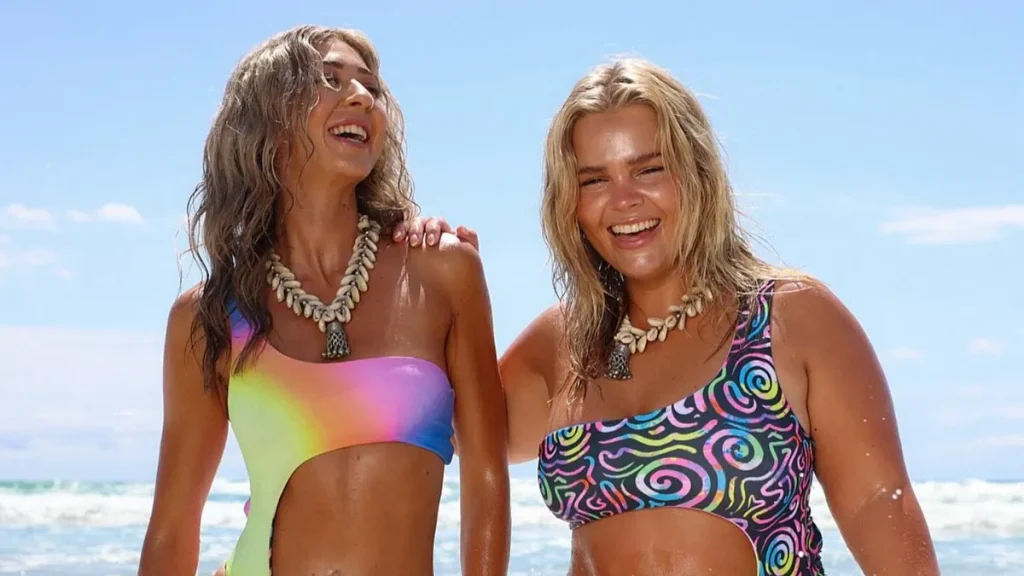
Modern swimwear fit testing replaces guesswork with hard data, blending 3D scanning, pressure sensors, and AI analytics to lock in compression and hydrodynamic accuracy before cutting physical fabric.
3D Body Scanning and Virtual Simulation
Swimwear demands precision down to the millimeter because negative ease dictates both support and comfort. Relying purely on legacy size charts fails to account for actual body curvature, making digital twin technology essential for modern development.
- Body Geometry Capture: Capture precise body geometry using infrared or structured light scanners to build accurate sizing charts and custom avatars representing diverse body types.
- Digital Physics Simulation: Utilize 3D CAD software equipped with specialized physics engines to simulate fabric stretch, восстановление, and drag properties on digital forms.
- Tension Mapping: Generate virtual strain and pressure maps to balance compression zones and optimize panel layouts before cutting physical prototypes.
These virtual diagnostics let technical designers spot slack zones or excessive tension early. Catching these flaws in the software drastically cuts down the time and material waste associated with first-round physical samples.
Instrumented and Quantitative Measurement
Fit models provide valuable feedback, but subjective opinions do not scale well across production batches or highly technical performance suits. Brands need objective data to define exact compression profiles.
- Compression Sensors: Deploy pressure sensors and thin mats to objectively quantify compression levels across critical areas like the bust, abdomen, and thighs.
- Deformation Tracking: Apply digital image correlation (DIC) or physical printed grids to track fabric deformation and identify localized areas of excessive tension or slack.
- Lifecycle Degradation: Conduct instrumented aging tests involving chlorine, УФ-воздействие, and wash cycles to measure changes in compression and verify long-term fit stability.
Tracking compression loss over time ensures the suit performs exactly as designed during its tenth race, not just its first. This testing protocol guarantees that elasticity claims hold up under real-world abuse.
Dynamic Water Testing and Motion Capture
A swimsuit that fits perfectly in the studio can easily fail in the pool. Water alters fabric weight, friction, and structural integrity, making dynamic aquatic testing an absolute requirement for competitive and active lines.
- Biomechanical Tracking: Employ optical or inertial motion capture systems in pool or flume environments to analyze suit behavior during strokes, kicks, and tumble turns.
- Hydrodynamic Mannequins: Use specialized, water-resistant thermoplastic mannequins to evaluate hydrodynamic fit, identify drag-inducing wrinkles, and test structural integrity under tow.
- Aquatic Load Assessment: Assess practical dynamic issues such as water ballooning, fabric transparency, and strap displacement under real aquatic load.
This phase bridges the gap between static design intent and real-world hydrodynamic efficiency. Validating a prototype under water resistance exposes construction weaknesses that dry land fittings completely miss.
Рекомендации по размеру с помощью ИИ и аналитика соответствия
Цикл создания прототипа не заканчивается с момента поступления костюма на рынок.. Умные бренды передают данные о потребителях непосредственно на этап технической разработки, чтобы исправить системные ошибки оценок..
- Цифровые инструменты определения размеров: Интегрируйте инструменты измерения смартфонов из 2D в 3D и механизмы определения размеров на основе искусственного интеллекта, чтобы преодолеть разрыв между технической оценкой и реалиями потребительского тела..
- Постмаркетинговый анализ: Совокупные постмаркетинговые данные, включая причины возврата и структурированные отзывы о соответствии, выявить системные несоответствия в оценках, такие как длина туловища или объем чашки.
- Прогнозирующее моделирование: Используйте модели машинного обучения для анализа исторических характеристик прототипов и автоматического предоставления рекомендаций по корректировке шаблонов для конкретных региональных рынков..
Путем перехода от реактивного устранения неполадок к прогнозной аналитике, производители быстрее адаптируют свои базовые блоки. Этот непрерывный цикл обратной связи навсегда снижает процент возвратов и повышает точность размеров в будущих коллекциях..
Гибридное прототипирование: Новый стандарт для ускорения разработки
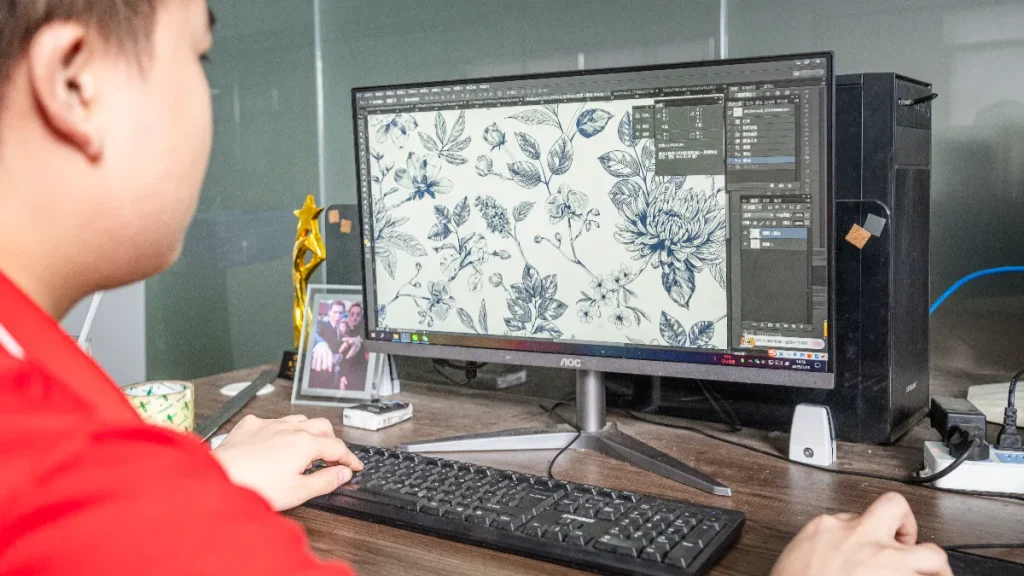
Путем интеграции виртуального моделирования с быстрым физическим отбором проб, гибридное прототипирование сокращает материальные отходы почти вдвое и выводит на рынок новые линейки продуктов всего за 4 к 6 недели.
Основная концепция смешанного прототипирования
Разработка стандартной продукции основана на линейной последовательности резки., шитье, и установка физических образцов. Смешанное прототипирование разрывает эту медленную цепочку, объединяя цифровое моделирование одежды., быстрый физический отбор проб, 3Д-печать, и традиционное изготовление в едином, непрерывный рабочий процесс. Этот подход объединяет сильные стороны каждого метода.. Вы обеспечиваете скорость и безграничные возможности цифрового программного обеспечения наряду с тактильными, реальная точность физического образца кройки и шитья.
Вместо того, чтобы неделями ждать, пока завод отправит одну физическую версию, ваши технические команды выполняют одновременную, гибкий цикл разработки. Это заменяет традиционную зависимость от единственного числа., методы линейной выборки и позволяют одновременно разрабатывать и подгонять.
Сжатие графика разработки
Время убивает маржу в сезонных категориях товаров. Гибридное прототипирование ускоряет ваш календарь, перенося самый тяжелый этап разработки непосредственно на программное обеспечение.. Виртуальные платформы для одежды дают вашим дизайнерам возможность оценить посадку., линии стиля, и внутреннее конструирование цифровых аватаров с калибровкой по размеру, прежде чем кто-либо разрежет физическую ткань.
Moving pattern revisions and fit checks into a digital environment reduces traditional prototype evaluation phases from several weeks to just a few days. Once the virtual sample clears validation, you pair those exact technical files with low-minimum-order (минимальный заказ) domestic manufacturers. This direct digital-to-physical handoff allows your brand to push first bulk runs to market in a highly competitive 4 to 6-week window.
Reducing Costs and Material Waste
Efficiency in product development directly impacts your bottom line and your brand’s sustainability footprint. Adopting a blended workflow delivers precise, measurable advantages across your supply chain:
- Material and labor savings: Advanced virtual prototyping decreases physical material usage by up to 48%, directly cutting fabric, trim, and labor expenses.
- Logistics reduction: Fewer physical iterations minimize the shipping emissions and freight costs associated with circulating trial samples globally.
- Lower return rates: Digital fit analysis refines stretch, negative ease, and coverage upfront, lowering consumer return rates driven by poor fit.
By catching geometric and tension errors digitally, you eliminate the expensive downstream consequences of bulk manufacturing mistakes, protecting your margins right from the start.
How Prototyping Tools Reduce Errors and Cost
Shifting error detection to the virtual design phase drastically cuts sampling expenses and timeline delays, turning costly physical mistakes into fast, cheap digital edits.
Catching Fit and Pattern Errors Before Physical Sampling
Designers evaluate how a swimsuit hugs the body long before cutting the first piece of fabric. Virtual environments let technical teams run fit models through dynamic motions to spot exact failure points.
- 3D Avatar Testing: Check coverage, elastic tension, and ride-up risks on custom digital bodies.
- CAD Automation: Automate seam allowance offsets and execute precise alignment checks.
- Digital Diagnostics: Identify symmetry issues and grading distortions digitally before sending files to the cutting room.
Resolving these geometric flaws digitally prevents asymmetric cups or misaligned panels from ruining a first physical sample.
Predicting Fabric Physics and Construction Stress
Swimwear performance depends on how the material behaves under tension. Modern digital fabric twins map out exact stretch characteristics so you never guess how a high-compression knit will react on a moving body.
- Fabric Simulation: Simulate fabric modulus and stretch percentages at key areas like the underbust and leg openings.
- Tension Calibration: Adjust negative ease accurately based on simulated garment tension.
- Failure Detection: Pinpoint stress concentrations at seams, strap joins, and ring connectors.
Catching excessive pressure early stops you from engineering a suit that restricts breathing or sags immediately after brief wear.
Reducing Sample Rounds and Material Waste
Physical iterations eat into your budget fast, especially when working with premium performance materials. Moving the trial-and-error phase to a screen slashes the direct costs of product development.
- Fewer Physical Iterations: Decrease physical prototyping from 2–4 rounds down to 1–2 iterations.
- Material Efficiency: Optimize pattern layouts and marker efficiency to save expensive technical fabrics.
- Overhead Reduction: Eliminate redundant fabric recuts and associated labor or international shipping expenses.
Fewer physical samples mean you keep expensive technical materials out of the scrap bin and lower your overall carbon footprint.
Compressing Timelines and Avoiding Post-Production Failures
Speed to market protects your margins. Catching structural flaws before bulk manufacturing begins protects the brand reputation and accelerates the seasonal launch calendar.
- Accelerated Development: Shorten concept development cycles to a 2–4 week window through rapid virtual iteration.
- Pre-Production Checks: Identify under-supported sizing and print placement misalignments before bulk manufacturing.
- Return Prevention: Prevent costly consumer returns caused by poor fit or stitching failures.
Fast development cycles ensure you hit high-demand seasonal selling windows without risking mass defects.
Choosing the Right Prototyping Method for Your Brand
The right prototyping method balances brand stage, product complexity, and budget. Hybrid workflows combine digital speed with physical accuracy to prevent costly manufacturing errors down the line.
| Prototyping Strategy | Ideal Application | Primary Advantage |
|---|---|---|
| Digital-First | Repeatable blocks, simple silhouettes | Reduces early-stage material waste |
| Physical-First | Зоны сжатия, формованные чашки | Validates tactile wear and tension |
| Hybrid | Complex ranges, seasonal drops | Balances speed with physical accuracy |
Assessing Product Complexity and Silhouette
Your swimwear design’s geometry dictates how you build your prototype. Simple styles, like triangle tops and basic bottoms, move efficiently through digital platforms. You can approve these shapes virtually with minimal physical sampling.
Complex silhouettes require a different approach. Designs featuring underwires, формованные чашки, or bonded edges demand rigorous physical iteration to get the fit exactly right.
High-support athletic swimwear relies heavily on tactile evaluation. Construction details directly dictate functional performance, meaning you need to feel the garment to validate its support structures.
Evaluating Fabric Type and Performance Needs
The accuracy of any prototyping method hinges on material behavior. You have to account for stretch percentage, восстановление, and thickness before cutting any fabric.
Standard nylon-spandex blends often translate well into digital simulation software. But compression or laminated fabrics require physical testing to gauge true tension on the body.
Physical prototypes remain necessary to validate moisture interactions. You need a real sample to test water absorption and assess wet transparency risks in real-world conditions.
Factoring in Brand Stage, Budget, and Timeline
Startup brands often utilize digital 2D development for early efficiency. This approach keeps initial sampling budgets under control while establishing base blocks.
Established brands with seasonal drops leverage 3D virtual prototyping. This accelerates merchandising and significantly shortens time-to-market.
Offshore production models benefit from digital prototyping by establishing clear design intent before incurring international shipping delays. Physical-only sampling is accessible initially but generates accumulating costs over multiple revision cycles.
Practical Decision Framework: Digital, Physical, or Hybrid
Align your development workflow with the specific demands of your product range.
- Digital-First: Adopt this for repeatable blocks, rapid range development, and reducing early-stage material waste.
- Physical-First: Prioritize this when developing compression zones, complicated lining structures, or high-performance suits.
- Hybrid Workflow: Implement this to balance speed and accuracy, utilizing virtual environments for silhouette approval and physical samples for tactile wear testing.
Заключительные мысли
Swimwear prototyping technologies are reshaping how modern collections move from concept to production. Digital 3D design platforms, advanced pattern-making software, body scanning systems, and specialized sample development equipment enable brands to create products faster while improving fit accuracy and reducing development costs.
The most effective strategy is often a hybrid approach that combines virtual development with physical validation. By leveraging the strengths of both methods, brands can shorten lead times, reduce sampling expenses, and launch higher-quality swimwear with greater confidence.
Для brands developing custom swimwear collections, partnering with a manufacturer that offers comprehensive prototyping capabilities—from digital pattern engineering to sample production and fit optimization—can significantly streamline the development process and improve the success of every collection launch.
Часто задаваемые вопросы
Do I need 3D software for swimwear prototyping?
You do not strictly need 3D software to develop swimwear. Traditional 2D pattern drafting and physical fit sessions remain highly effective, especially for basic bikinis and classic one-pieces. 3D software becomes a major asset when you are developing complex performance suits, engineered prints, or large multi-style collections. It allows technical teams to simulate fabric stretch, map body tension visually, and cut down the total number of physical samples your brand has to finance and wait on.
How many physical prototypes are normal per style?
For standard fashion and resort swimwear, developing two to three physical prototypes per style represents the industry standard. Technical and performance swimwear demands a more rigorous process, typically requiring three to six iterations to dial in hydrodynamics, compression mapping, and range of motion. If you are simply updating an existing, proven pattern block with new details, you might only need one or two physical samples to confirm the changes.
How long does the swimwear prototyping process usually take?
Moving a design from initial concept to a production-ready approved sample generally takes four to twelve weeks. Simple designs using in-stock fabrics matched with an experienced factory can cross the finish line in three to seven weeks. Complex technical suits change the timeline entirely. Индивидуальные принты, unique hardware setups, and extensive lab testing will stretch the process to eight to twenty weeks.
What tools help accelerate the fitting stage?
The fastest development teams combine 3D virtual prototyping software, digital patternmaking, and highly detailed tech packs. Standardized measurement charts that define negative ease, paired with accurate fabric stretch and recovery data, are equally critical. These tools allow designers to identify and correct fit issues on a digital avatar long before anyone cuts the first physical prototype.
What are the most common causes of swimwear fitting errors?
Most fitting errors trace back to brands using standard fashion measurement charts instead of swim-specific sizing. Other common traps include applying incorrect negative ease, failing to test prototypes in actual swimming postures, and substituting fabrics during the sampling phase. If your sample fabric has different stretch or recovery properties than your final production material, your fit validation is essentially useless.