Skip to content

In the swimwear industry, product development speed directly affects how quickly a brand can respond to market trends, launch new collections, and reduce inventory risks. However, speed alone is not enough. Every swimsuit must achieve the right balance of fit, comfort, stretch, support, and appearance before entering production.
This is where modern swimwear prototyping technologies play a critical role. From digital 3D simulation software to advanced fitting tools and physical sample development equipment, manufacturers today can create more accurate prototypes while reducing development cycles and unnecessary costs.
This guide explores the technologies transforming swimwear prototyping and explains how brands can leverage them to achieve faster product launches and better product quality.
What Is Swimwear Prototyping Technology?
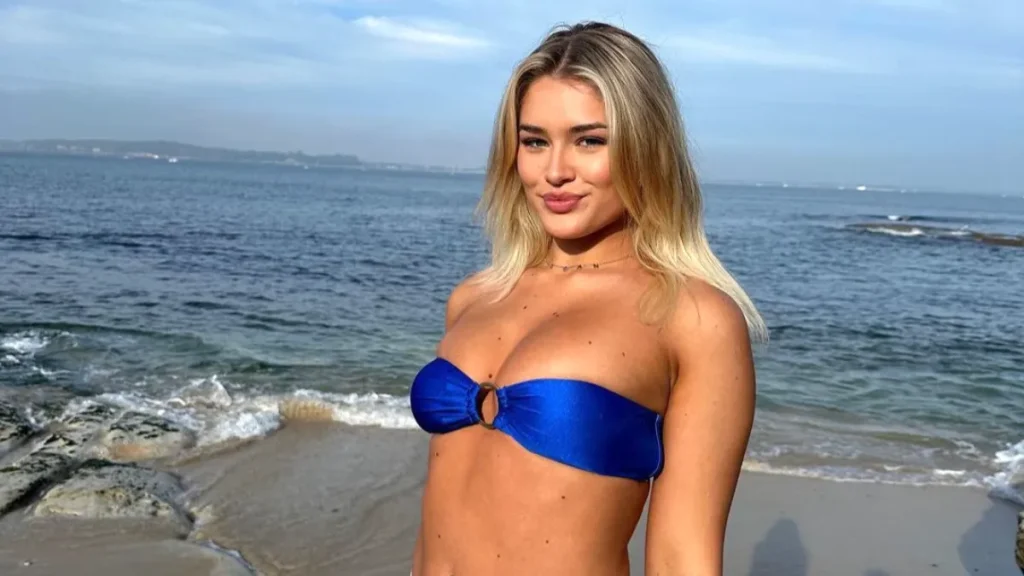
Swimwear prototyping technology refers to the combination of digital tools, specialized equipment, and testing methods used to transform a swimwear concept into a production-ready product. It helps designers, pattern makers, and manufacturers evaluate a swimsuit’s appearance, fit, comfort, stretch performance, and construction quality before bulk production begins.
A prototype can be either a digital simulation or a physical sample. During the development process, prototypes allow brands to verify critical factors such as:
- Overall design aesthetics
- Garment fit and body coverage
- Fabric stretch and recovery
- Seam construction and durability
- Support and shaping performance
- Production feasibility and cost efficiency
In the past, swimwear development relied heavily on manual pattern drafting and multiple rounds of physical sampling. While this approach could produce reliable results, it often required significant time, material consumption, and repeated revisions before a style was approved for production.
Today, modern prototyping technology enables manufacturers to identify potential issues much earlier in the development cycle. Through digital pattern-making, 3D visualization, virtual fitting, and advanced sample development processes, brands can make faster decisions and reduce costly design errors.
| Traditional Development | Modern Prototyping Technology |
|---|---|
| Multiple physical sample rounds | Digital visualization before sampling |
| Manual pattern revisions | CAD-assisted pattern optimization |
| Lengthy fitting processes | Virtual fit simulation |
| Higher material waste | Reduced fabric consumption |
| Slower communication cycles | Real-time collaboration and approvals |
At MLY Apparel, swimwear prototyping combines digital pattern development, rapid sample production, and fit optimization to streamline product development. With sample lead times as fast as 3–7 days, brands can quickly evaluate designs, refine fit details, and identify potential issues before bulk production. This efficient process helps reduce revisions, improve product accuracy, and accelerate time-to-market.
Digital 3D Prototyping Tools for Swimwear Development

3D prototyping tools replace physical sampling with physics-based simulations, allowing swimwear brands to perfect fit, compression, and design digitally before cutting any fabric.
Leading 3D Software Platforms
Apparel software falls into two main categories for swimwear. Engineering-grade platforms like Style3D focus on material physics. They map pressure and simulate compression, making them the standard for performance and competitive swimwear. On the other side, tools like CLO 3D and Browzwear VStitcher deliver true-to-life visualization. These platforms streamline rapid style iteration and fashion-driven design.
Your business objectives dictate the software choice. You must weigh the need for hydrodynamic precision against visual realism and fast design turnover.
Core Functional Capabilities
The core strength of these platforms lies in their ability to mimic physical reality. Technical teams rely on three specific capabilities to engineer swimwear:
- High-Density Avatars: These mirror specific body geometries, inclusive size runs, and dynamic swim poses like diving or stroke extensions.
- Empirical Material Digitization: Labs test physical fabrics and import the data to capture the exact stretch, recovery, weight, and compressive behavior.
- Diagnostic Tools: Systems apply pressure maps and strain visualizations to reveal wrinkling, gaping, or extreme tension before anyone cuts physical fabric.
Integrating 3D into the Development Workflow
The development process begins by importing 2D patterns into the digital environment and applying tested fabric physics to construct virtual garments. Once the suit is on the avatar, technical design teams analyze the dynamic cloth simulations. They adjust seam placements, modify negative ease, and correct coverage issues instantly.
After the team approves the virtual model, the software exports the data directly to the factory. This export includes production-ready 2D patterns, complete bills of materials, and visual manufacturing guides that prevent assembly errors.
Launch Your Custom Swimwear Line Fast

Physical Prototyping Tools and Equipment
Physical prototyping converts digital concepts into tangible swimwear, validating stretch, support, and water performance before bulk production begins.
Patternmaking, Cutting, and Assembly Equipment
The foundation of any physical swimwear prototype relies on exact dimensions and clean cuts. Handling slippery, high-stretch materials requires specialized soft-goods equipment right from the start to avoid measurement distortions.
- Foundational drafting instruments: Incorporate French curves, grading rulers, and pattern CAD output sheets to establish initial dimensions accurately across all size brackets.
- Precision cutting tools: Utilize rotary cutters paired with self-healing mats and specialized fabric shears to handle slippery stretch fabrics cleanly without fraying edges.
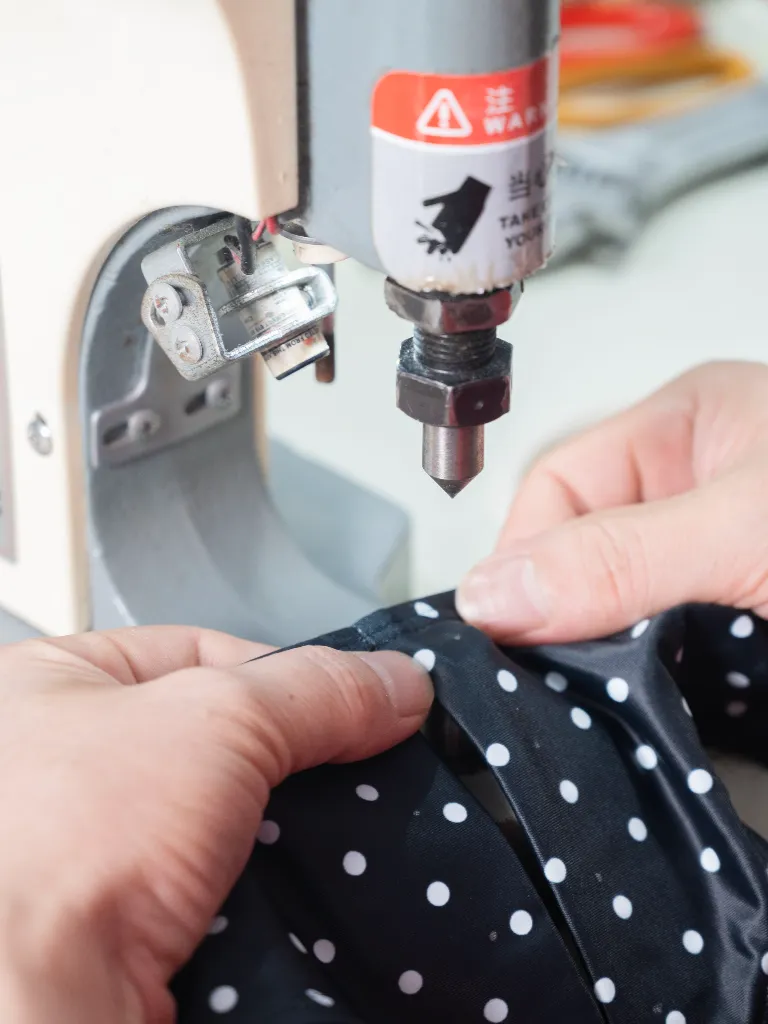
- Industrial sewing setups: Depend on dedicated overlock, coverstitch, and zigzag machines, which are critical for maintaining stretch retention and seam integrity under high tension.
Fit Validation and Silhouette Shaping Tools
Once the sample is sewn, it moves to shaping and fit validation. Swimwear demands a hyper-specific evaluation of body contouring because the garment must function flawlessly under negative ease.
- Swim-specific dress forms: Use adjustable forms to evaluate body contouring, torso length variations, and proper bust support placement.
- Physical fit-testing aids: Integrate elastic tension markers, seam gauges, and fitting clips during live model reviews to pinpoint necessary adjustments.
- Flaw detection mechanisms: Focus on detecting specific construction flaws such as drag lines, gaping, compression imbalances, and strap slippage before finalizing production patterns.
Stretch and Water-Performance Testing Gear
Dry fit is only half the equation. Swimwear must endure dynamic movement and water exposure without losing its structural integrity, shifting, or exposing the wearer.
- Stretch evaluation tools: Employ stretch percentage rulers and elongation fixtures to accurately measure fabric recovery and seam strength under maximum physical tension.
- Water and motion checks: Conduct water immersion and dynamic physical motion tests to replicate the exact strain of real-world swimming and diving conditions.
- Wet-condition failure analysis: Systematically evaluate prototypes for specific wet-condition failures, including post-wetting growth, opacity loss, color bleed, and internal lining shifts.
Advanced Specialized and Hybrid Prototyping Tools
Technical performance swimwear and complex hybrid designs push past traditional cut-and-sew operations. Prototyping these advanced garments requires industrial finishing technology and additive manufacturing capabilities.
- Bonding and sealing equipment: Integrate heat presses, adhesive film applicators, and ultrasonic bonding systems to prototype clean-finish, high-performance technical swimwear.
- Specialized forming tools: Use specific hardware for underwires, bra cup inserts, and foam shaping to validate internal support structures before committing to bulk molds.
- Hybrid manufacturing tools: Leverage 3D printers and laser cutters to quickly iterate custom closures, decorative hardware, and rigid testing templates directly in the sample room.
Fit Testing Technologies for Swimwear Accuracy
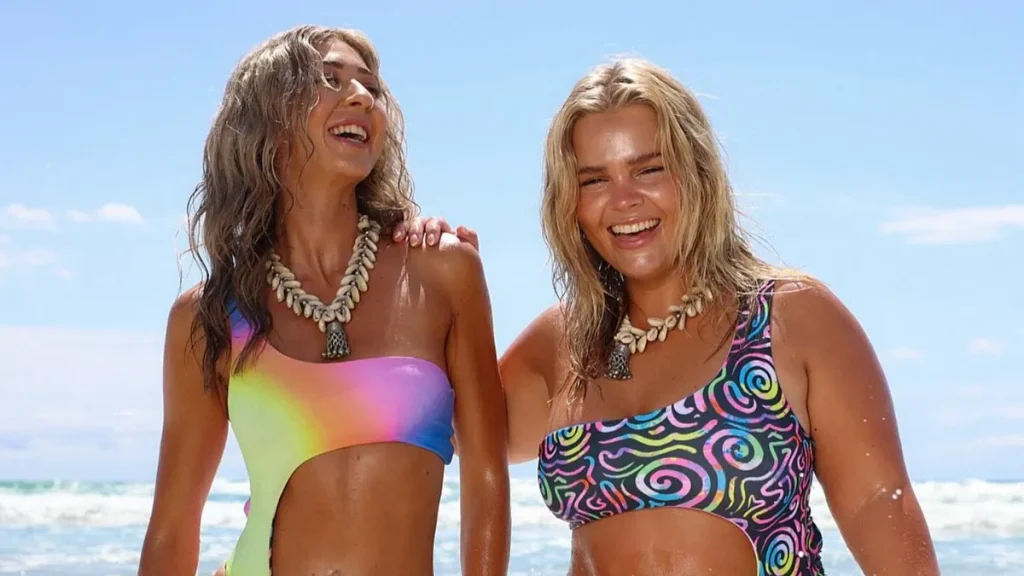
Modern swimwear fit testing replaces guesswork with hard data, blending 3D scanning, pressure sensors, and AI analytics to lock in compression and hydrodynamic accuracy before cutting physical fabric.
3D Body Scanning and Virtual Simulation
Swimwear demands precision down to the millimeter because negative ease dictates both support and comfort. Relying purely on legacy size charts fails to account for actual body curvature, making digital twin technology essential for modern development.
- Body Geometry Capture: Capture precise body geometry using infrared or structured light scanners to build accurate sizing charts and custom avatars representing diverse body types.
- Digital Physics Simulation: Utilize 3D CAD software equipped with specialized physics engines to simulate fabric stretch, recovery, and drag properties on digital forms.
- Tension Mapping: Generate virtual strain and pressure maps to balance compression zones and optimize panel layouts before cutting physical prototypes.
These virtual diagnostics let technical designers spot slack zones or excessive tension early. Catching these flaws in the software drastically cuts down the time and material waste associated with first-round physical samples.
Instrumented and Quantitative Measurement
Fit models provide valuable feedback, but subjective opinions do not scale well across production batches or highly technical performance suits. Brands need objective data to define exact compression profiles.
- Compression Sensors: Deploy pressure sensors and thin mats to objectively quantify compression levels across critical areas like the bust, abdomen, and thighs.
- Deformation Tracking: Apply digital image correlation (DIC) or physical printed grids to track fabric deformation and identify localized areas of excessive tension or slack.
- Lifecycle Degradation: Conduct instrumented aging tests involving chlorine, UV exposure, and wash cycles to measure changes in compression and verify long-term fit stability.
Tracking compression loss over time ensures the suit performs exactly as designed during its tenth race, not just its first. This testing protocol guarantees that elasticity claims hold up under real-world abuse.
Dynamic Water Testing and Motion Capture
A swimsuit that fits perfectly in the studio can easily fail in the pool. Water alters fabric weight, friction, and structural integrity, making dynamic aquatic testing an absolute requirement for competitive and active lines.
- Biomechanical Tracking: Employ optical or inertial motion capture systems in pool or flume environments to analyze suit behavior during strokes, kicks, and tumble turns.
- Hydrodynamic Mannequins: Use specialized, water-resistant thermoplastic mannequins to evaluate hydrodynamic fit, identify drag-inducing wrinkles, and test structural integrity under tow.
- Aquatic Load Assessment: Assess practical dynamic issues such as water ballooning, fabric transparency, and strap displacement under real aquatic load.
This phase bridges the gap between static design intent and real-world hydrodynamic efficiency. Validating a prototype under water resistance exposes construction weaknesses that dry land fittings completely miss.
AI Size Recommendations and Fit Analytics
The prototyping cycle does not end once the suit hits the market. Smart brands feed consumer data directly back into their technical development phase to fix systemic grading errors.
- Digital Sizing Tools: Integrate 2D-to-3D smartphone measurement tools and AI-driven sizing engines to bridge the gap between technical grading and consumer body realities.
- Post-Market Analysis: Aggregate post-market data, including return reasons and structured fit feedback, to pinpoint systemic grading inconsistencies like torso length or cup volume.
- Predictive Patterning: Leverage machine learning models to analyze historical prototype performance and automatically recommend pattern adjustments for specific regional markets.
By shifting from reactive troubleshooting to predictive analytics, manufacturers adapt their base blocks faster. This continuous feedback loop permanently lowers return rates and tightens size accuracy across future collections.
Hybrid Prototyping: The New Standard for Faster Development
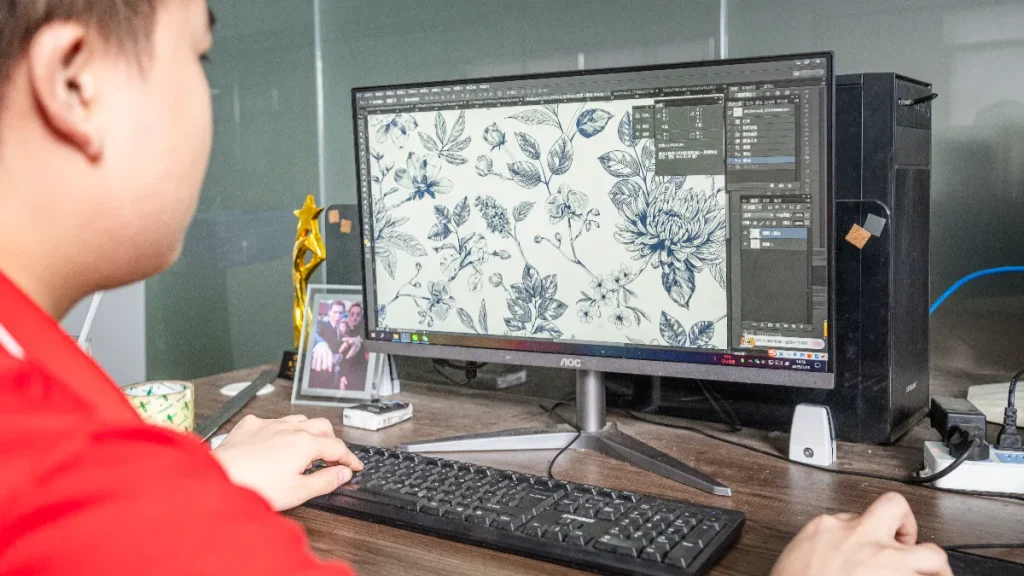
By integrating virtual simulation with rapid physical sampling, hybrid prototyping cuts material waste by nearly half and pushes new product lines to market in just 4 to 6 weeks.
The Core Concept of Blended Prototyping
Standard product development relies on a linear sequence of cutting, sewing, and fitting physical samples. Blended prototyping breaks this slow chain by combining digital garment simulation, rapid physical sampling, 3D printing, and traditional fabrication into a single, continuous workflow. This approach merges the distinct strengths of each method. You secure the speed and limitless iteration of digital software alongside the tactile, real-world accuracy of a physical cut-and-sew sample.
Instead of waiting weeks for a factory to ship a single physical revision, your technical teams execute a concurrent, agile development cycle. This replaces the traditional reliance on singular, linear sampling methods and allows you to attack design and fit simultaneously.
Compressing the Development Timeline
Time kills margin in seasonal product categories. Hybrid prototyping accelerates your calendar by shifting the heaviest phase of development directly into software. Virtual garment platforms give your designers the ability to evaluate fit, style lines, and internal construction on size-graded digital avatars before anyone cuts physical fabric.
Moving pattern revisions and fit checks into a digital environment reduces traditional prototype evaluation phases from several weeks to just a few days. Once the virtual sample clears validation, you pair those exact technical files with low-minimum-order (MOQ) domestic manufacturers. This direct digital-to-physical handoff allows your brand to push first bulk runs to market in a highly competitive 4 to 6-week window.
Reducing Costs and Material Waste
Efficiency in product development directly impacts your bottom line and your brand’s sustainability footprint. Adopting a blended workflow delivers precise, measurable advantages across your supply chain:
- Material and labor savings: Advanced virtual prototyping decreases physical material usage by up to 48%, directly cutting fabric, trim, and labor expenses.
- Logistics reduction: Fewer physical iterations minimize the shipping emissions and freight costs associated with circulating trial samples globally.
- Lower return rates: Digital fit analysis refines stretch, negative ease, and coverage upfront, lowering consumer return rates driven by poor fit.
By catching geometric and tension errors digitally, you eliminate the expensive downstream consequences of bulk manufacturing mistakes, protecting your margins right from the start.
How Prototyping Tools Reduce Errors and Cost
Shifting error detection to the virtual design phase drastically cuts sampling expenses and timeline delays, turning costly physical mistakes into fast, cheap digital edits.
Catching Fit and Pattern Errors Before Physical Sampling
Designers evaluate how a swimsuit hugs the body long before cutting the first piece of fabric. Virtual environments let technical teams run fit models through dynamic motions to spot exact failure points.
- 3D Avatar Testing: Check coverage, elastic tension, and ride-up risks on custom digital bodies.
- CAD Automation: Automate seam allowance offsets and execute precise alignment checks.
- Digital Diagnostics: Identify symmetry issues and grading distortions digitally before sending files to the cutting room.
Resolving these geometric flaws digitally prevents asymmetric cups or misaligned panels from ruining a first physical sample.
Predicting Fabric Physics and Construction Stress
Swimwear performance depends on how the material behaves under tension. Modern digital fabric twins map out exact stretch characteristics so you never guess how a high-compression knit will react on a moving body.
- Fabric Simulation: Simulate fabric modulus and stretch percentages at key areas like the underbust and leg openings.
- Tension Calibration: Adjust negative ease accurately based on simulated garment tension.
- Failure Detection: Pinpoint stress concentrations at seams, strap joins, and ring connectors.
Catching excessive pressure early stops you from engineering a suit that restricts breathing or sags immediately after brief wear.
Reducing Sample Rounds and Material Waste
Physical iterations eat into your budget fast, especially when working with premium performance materials. Moving the trial-and-error phase to a screen slashes the direct costs of product development.
- Fewer Physical Iterations: Decrease physical prototyping from 2–4 rounds down to 1–2 iterations.
- Material Efficiency: Optimize pattern layouts and marker efficiency to save expensive technical fabrics.
- Overhead Reduction: Eliminate redundant fabric recuts and associated labor or international shipping expenses.
Fewer physical samples mean you keep expensive technical materials out of the scrap bin and lower your overall carbon footprint.
Compressing Timelines and Avoiding Post-Production Failures
Speed to market protects your margins. Catching structural flaws before bulk manufacturing begins protects the brand reputation and accelerates the seasonal launch calendar.
- Accelerated Development: Shorten concept development cycles to a 2–4 week window through rapid virtual iteration.
- Pre-Production Checks: Identify under-supported sizing and print placement misalignments before bulk manufacturing.
- Return Prevention: Prevent costly consumer returns caused by poor fit or stitching failures.
Fast development cycles ensure you hit high-demand seasonal selling windows without risking mass defects.
Choosing the Right Prototyping Method for Your Brand
The right prototyping method balances brand stage, product complexity, and budget. Hybrid workflows combine digital speed with physical accuracy to prevent costly manufacturing errors down the line.
| Prototyping Strategy | Ideal Application | Primary Advantage |
|---|---|---|
| Digital-First | Repeatable blocks, simple silhouettes | Reduces early-stage material waste |
| Physical-First | Compression zones, molded cups | Validates tactile wear and tension |
| Hybrid | Complex ranges, seasonal drops | Balances speed with physical accuracy |
Assessing Product Complexity and Silhouette
Your swimwear design’s geometry dictates how you build your prototype. Simple styles, like triangle tops and basic bottoms, move efficiently through digital platforms. You can approve these shapes virtually with minimal physical sampling.
Complex silhouettes require a different approach. Designs featuring underwires, molded cups, or bonded edges demand rigorous physical iteration to get the fit exactly right.
High-support athletic swimwear relies heavily on tactile evaluation. Construction details directly dictate functional performance, meaning you need to feel the garment to validate its support structures.
Evaluating Fabric Type and Performance Needs
The accuracy of any prototyping method hinges on material behavior. You have to account for stretch percentage, recovery, and thickness before cutting any fabric.
Standard nylon-spandex blends often translate well into digital simulation software. But compression or laminated fabrics require physical testing to gauge true tension on the body.
Physical prototypes remain necessary to validate moisture interactions. You need a real sample to test water absorption and assess wet transparency risks in real-world conditions.
Factoring in Brand Stage, Budget, and Timeline
Startup brands often utilize digital 2D development for early efficiency. This approach keeps initial sampling budgets under control while establishing base blocks.
Established brands with seasonal drops leverage 3D virtual prototyping. This accelerates merchandising and significantly shortens time-to-market.
Offshore production models benefit from digital prototyping by establishing clear design intent before incurring international shipping delays. Physical-only sampling is accessible initially but generates accumulating costs over multiple revision cycles.
Practical Decision Framework: Digital, Physical, or Hybrid
Align your development workflow with the specific demands of your product range.
- Digital-First: Adopt this for repeatable blocks, rapid range development, and reducing early-stage material waste.
- Physical-First: Prioritize this when developing compression zones, complicated lining structures, or high-performance suits.
- Hybrid Workflow: Implement this to balance speed and accuracy, utilizing virtual environments for silhouette approval and physical samples for tactile wear testing.
Final Thoughts
Swimwear prototyping technologies are reshaping how modern collections move from concept to production. Digital 3D design platforms, advanced pattern-making software, body scanning systems, and specialized sample development equipment enable brands to create products faster while improving fit accuracy and reducing development costs.
The most effective strategy is often a hybrid approach that combines virtual development with physical validation. By leveraging the strengths of both methods, brands can shorten lead times, reduce sampling expenses, and launch higher-quality swimwear with greater confidence.
For brands developing custom swimwear collections, partnering with a manufacturer that offers comprehensive prototyping capabilities—from digital pattern engineering to sample production and fit optimization—can significantly streamline the development process and improve the success of every collection launch.
Frequently Asked Questions
Do I need 3D software for swimwear prototyping?
You do not strictly need 3D software to develop swimwear. Traditional 2D pattern drafting and physical fit sessions remain highly effective, especially for basic bikinis and classic one-pieces. 3D software becomes a major asset when you are developing complex performance suits, engineered prints, or large multi-style collections. It allows technical teams to simulate fabric stretch, map body tension visually, and cut down the total number of physical samples your brand has to finance and wait on.
How many physical prototypes are normal per style?
For standard fashion and resort swimwear, developing two to three physical prototypes per style represents the industry standard. Technical and performance swimwear demands a more rigorous process, typically requiring three to six iterations to dial in hydrodynamics, compression mapping, and range of motion. If you are simply updating an existing, proven pattern block with new details, you might only need one or two physical samples to confirm the changes.
How long does the swimwear prototyping process usually take?
Moving a design from initial concept to a production-ready approved sample generally takes four to twelve weeks. Simple designs using in-stock fabrics matched with an experienced factory can cross the finish line in three to seven weeks. Complex technical suits change the timeline entirely. Custom prints, unique hardware setups, and extensive lab testing will stretch the process to eight to twenty weeks.
What tools help accelerate the fitting stage?
The fastest development teams combine 3D virtual prototyping software, digital patternmaking, and highly detailed tech packs. Standardized measurement charts that define negative ease, paired with accurate fabric stretch and recovery data, are equally critical. These tools allow designers to identify and correct fit issues on a digital avatar long before anyone cuts the first physical prototype.
What are the most common causes of swimwear fitting errors?
Most fitting errors trace back to brands using standard fashion measurement charts instead of swim-specific sizing. Other common traps include applying incorrect negative ease, failing to test prototypes in actual swimming postures, and substituting fabrics during the sampling phase. If your sample fabric has different stretch or recovery properties than your final production material, your fit validation is essentially useless.